
Introduction
The global fitness industry has experienced unprecedented growth over the past decade, with millions of people embracing healthier lifestyles and regular exercise routines. Behind every successful gym, fitness studio, or training facility lies a complex supply chain that ensures equipment is available, durable, and effective. For gym owners, facility managers, and entrepreneurs looking to open a fitness center, understanding where equipment comes from, who supplies it, and what factors matter most in selection can mean the difference between a thriving business and a struggling one. This comprehensive guide explores the essential questions surrounding fitness equipment procurement, from manufacturing origins to the final installation on your gym floor.
Where Do Most Gyms Get Their Equipment?
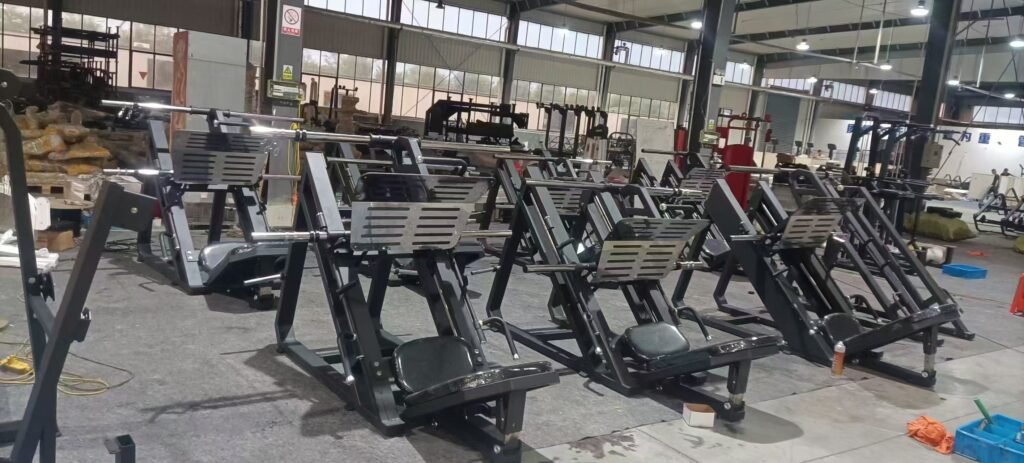
The answer to this fundamental question reveals a multi-layered supply chain that connects manufacturers directly to end-users through various channels. Most gyms acquire their equipment through three primary sources: direct purchases from manufacturers, fitness equipment distributors, and commercial equipment dealers.
Direct manufacturer purchases represent the most straightforward approach, particularly for large chain gyms and franchises that order in bulk. By bypassing intermediaries, these facilities can secure better pricing and establish direct relationships with GYM Manufacturer companies. However, this route typically requires significant minimum order quantities and substantial upfront capital investment.
Fitness equipment distributors serve as the backbone of the industry, connecting manufacturers with gyms of all sizes. These distributors maintain extensive inventories, offer flexible purchasing options, and provide crucial services like installation, maintenance, and warranty support. For most independent gyms and smaller fitness studios, distributors offer the most practical solution, combining competitive pricing with localized service.
Commercial equipment dealers represent another vital channel, particularly for used and refurbished equipment. Many gyms start with pre-owned machines to manage initial costs, gradually upgrading to new equipment as their business grows. This secondary market has become increasingly sophisticated, with professional refurbishment processes that can extend equipment life significantly.
Additionally, online marketplaces have emerged as a growing source, though they require careful vetting of sellers and equipment condition. Major gym chains often maintain direct relationships with manufacturers, while boutique fitness studios may work with specialized suppliers who understand their unique equipment needs.
What Is a Fitness Equipment Distributor?
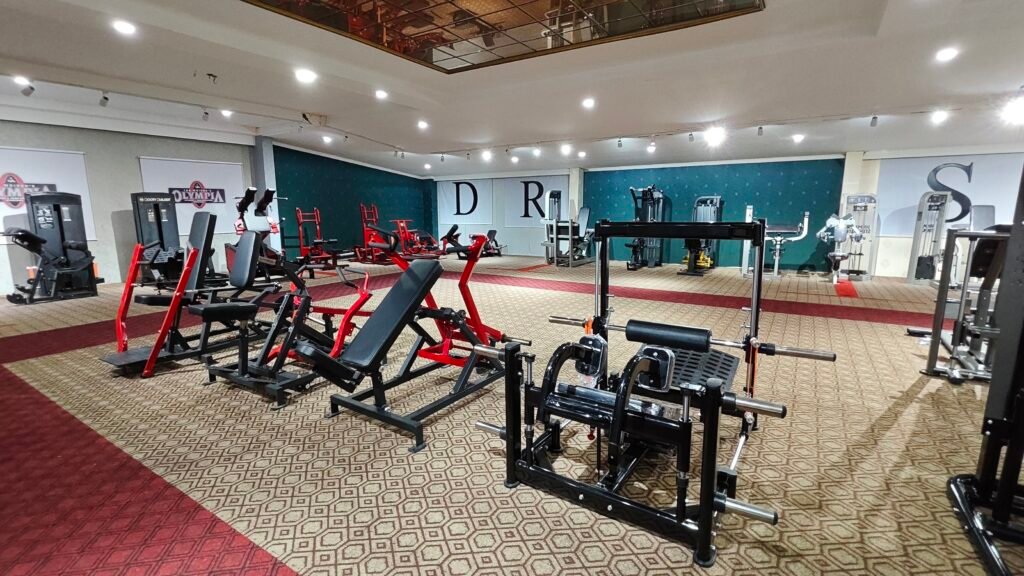
Understanding the role of a fitness equipment distributor is essential for anyone entering the fitness industry. Distributors serve as the critical bridge between GYM Manufacturer companies and end-users, performing functions that go far beyond simple product resale.
A fitness equipment distributor is a specialized intermediary that purchases gym equipment in bulk from manufacturers and sells it to gyms, fitness studios, hotels, corporate wellness centers, and other commercial facilities. However, their value proposition extends well beyond inventory management. Professional distributors offer:
Expert consultation and space planning – Experienced distributors assess facility layouts, traffic patterns, and member demographics to recommend optimal equipment configurations. They understand that a 5,000-square-foot fitness center requires completely different equipment planning than a 20,000-square-foot athletic club.
Installation and assembly services – Commercial gym equipment often arrives in multiple pieces requiring professional assembly, proper anchoring, and precise alignment. Distributors employ trained technicians who ensure equipment is installed safely and functions correctly from day one.
Maintenance and repair support – Perhaps the most valuable service, ongoing maintenance ensures equipment longevity and member safety. Distributors stock replacement parts, offer service contracts, and provide emergency repair services that minimize downtime.
Financing and leasing options – Many distributors offer flexible payment structures that make quality fitness equipment accessible to businesses with limited capital. These financial arrangements can include lease-to-own programs, equipment financing, and seasonal payment plans.
Warranty administration – Distributors handle warranty claims and manufacturer communications, saving gym owners significant time and frustration when issues arise.
Trade-in and upgrade programs – As equipment technology evolves, distributors facilitate equipment rotation, helping gyms stay current with the latest innovations while recovering value from older machines.
In essence, a fitness equipment distributor functions as a gym’s equipment partner, providing expertise and services that individual gyms cannot economically develop internally.
What Are the Two Most Important Considerations When Selecting a Fitness Facility?
When selecting a fitness facility – whether building a new Fitness Studio, expanding an existing GYM CLUB, or designing a corporate wellness center – two considerations consistently emerge as paramount: equipment quality and durability and member experience and flow.
Equipment Quality and Durability
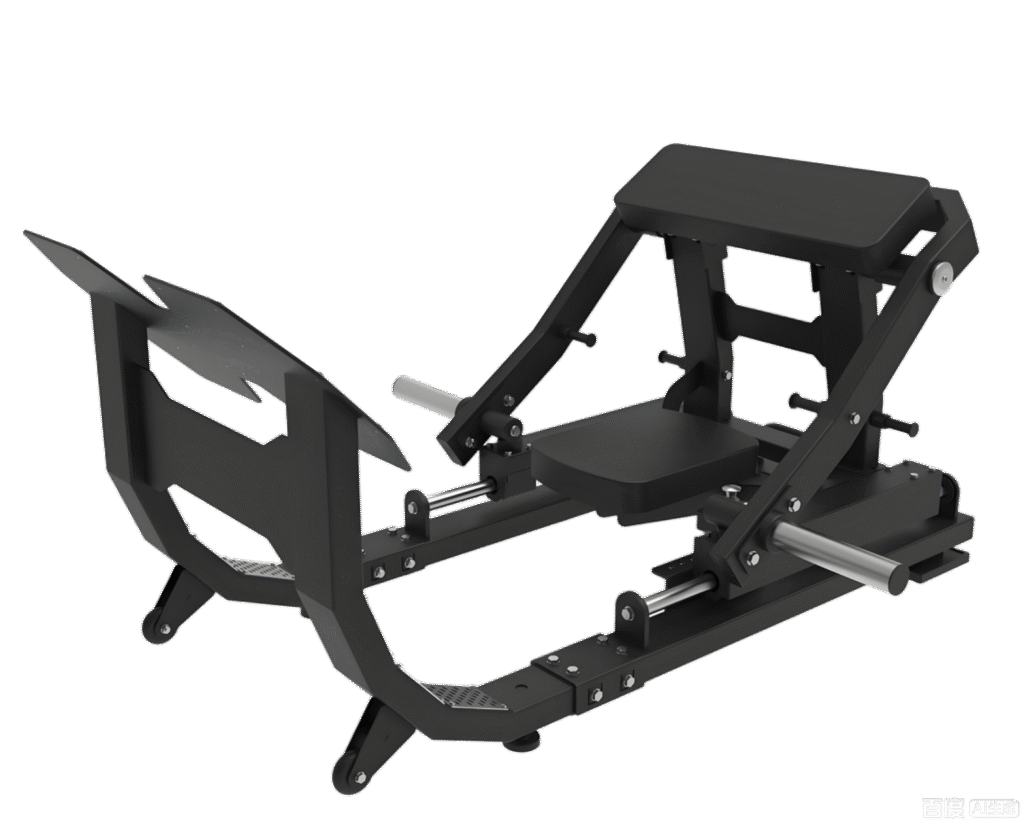
Commercial gym equipment faces punishing daily use that far exceeds residential conditions. A single treadmill in a busy GYM CLUB might log 8-10 hours of use daily, 7 days a week, accumulating over 3,000 hours of operation annually. Under these conditions, equipment quality isn’t just about performance – it’s about safety, reliability, and financial sustainability.
High-quality equipment features:
-
Industrial-grade materials – Commercial-grade steel frames, heavy-duty motors, and professional upholstery that withstands constant use
-
Precision engineering – Smooth motion paths, accurate resistance systems, and ergonomic designs that prevent injuries
-
Serviceability – Accessible components, standardized parts, and designs that facilitate quick repairs
-
Warranty coverage – Comprehensive commercial warranties that protect the investment
For GYM Manufacturer companies, quality control is non-negotiable. The Gettinglong Company exemplifies this commitment: “Our stringent quality control process ensures that every batch of fitness equipment meets standards. We work closely with our customers to ensure timely delivery and stable pricing, positioning their needs above market trends.”
Member Experience and Equipment Flow
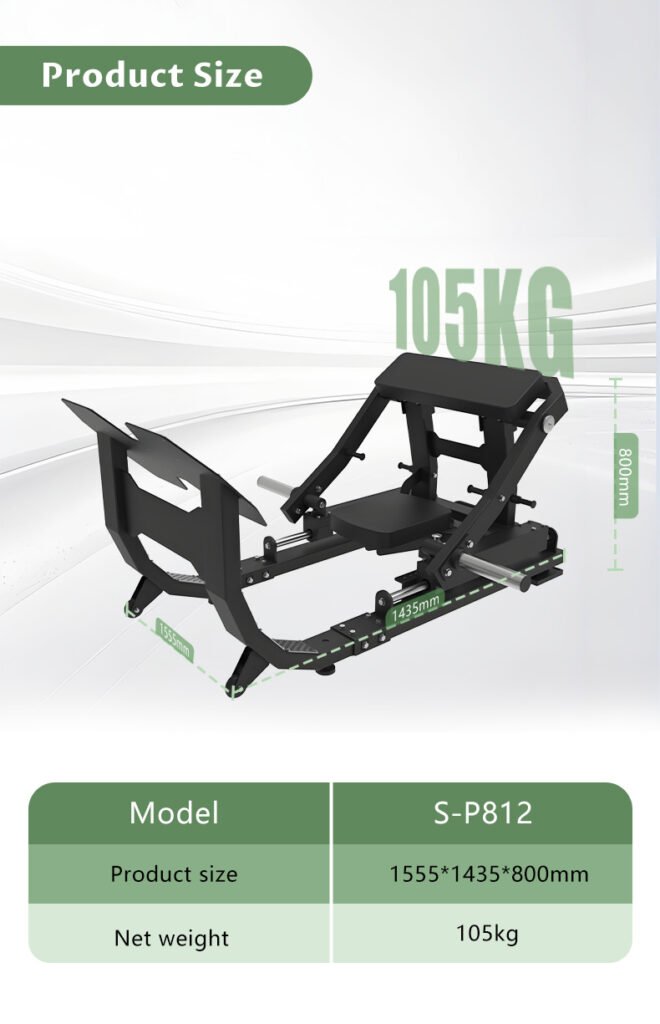
The second consideration – member experience – encompasses equipment layout, traffic patterns, and the overall atmosphere that keeps members coming back. Even the highest-quality gym equipment fails if members feel cramped, wait excessively for machines, or struggle to navigate the facility.
Optimal equipment flow considers:
-
Zoning – Separating cardio, strength training, functional fitness, and stretching areas to minimize congestion
-
Sightlines – Ensuring staff can monitor all equipment areas for safety and assistance
-
Equipment density – Balancing equipment quantity with adequate space for safe use
-
Accessibility – Accommodating members of all abilities with appropriate equipment placement
-
Aesthetic consistency – Creating a cohesive look that reinforces the facility’s brand identity
Successful facility selection integrates these two considerations seamlessly. A Fitness Studio might prioritize specialized equipment and intimate atmosphere, while a large GYM CLUB focuses on equipment variety and efficient member flow. Both approaches require thoughtful selection of fitness equipment that aligns with facility goals and member expectations.
What Brand Do Most Gyms Use?
The question of which brand most gyms use reveals interesting patterns in the fitness industry. While no single brand dominates universally, several major players have established strong market positions across different facility types.
Life Fitness remains the most widely recognized commercial brand, particularly in the cardio equipment segment. Their treadmills, ellipticals, and stationary bikes are found in countless hotel gyms, corporate wellness centers, and traditional health clubs. The brand’s reliability, extensive service network, and consistent performance make it a default choice for many facility operators.
Precor commands significant market share in premium facilities, known for their smooth elliptical motion and ergonomic design. Many upscale GYM CLUB locations and luxury Fitness Studio environments prefer Precor for its aesthetic appeal and member comfort.
Technogym has gained substantial traction in high-end facilities, boutique studios, and celebrity-endorsed training centers. Their Italian design, innovative technology integration, and wellness-focused approach appeal to facilities positioning themselves as premium destinations.
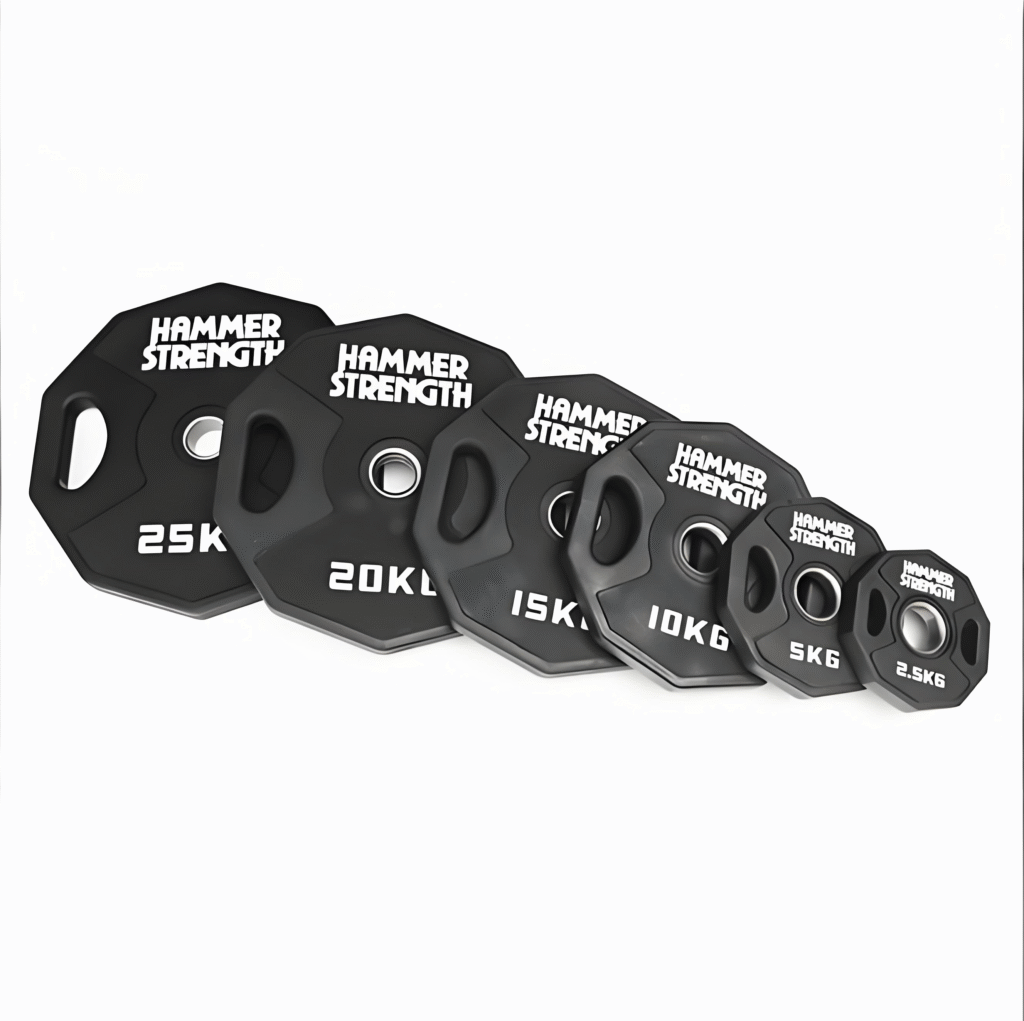
Hammer Strength (owned by Life Fitness) dominates in plate-loaded strength training equipment. Most serious strength training facilities and athletic performance centers incorporate Hammer Strength pieces for their durable construction and biomechanical design.
Matrix Fitness has grown rapidly in recent years, offering competitive pricing and modern designs that appeal to mid-market facilities and growing gym chains.
Cybex (now part of Life Fitness) maintains a strong presence in rehabilitation and clinical settings, known for their research-backed designs and safety features.
Star Trac enjoys popularity in value-conscious commercial settings and franchise operations.
True Fitness holds niche positions in specialized cardio applications.
However, the most common answer is that gyms use multiple brands strategically. A typical commercial GYM CLUB might feature Life Fitness cardio equipment, Hammer Strength plate-loaded machines, Precor selectorized strength equipment, and specialty brand equipment for functional training. This mix optimizes the member experience by leveraging each brand’s strengths.
For many gym owners, brand selection ultimately comes down to local distributor support. Even the world’s best fitness equipment becomes problematic without reliable service, parts availability, and technical expertise. This is where established manufacturers like Gettinglong distinguish themselves, offering comprehensive global support that ensures equipment remains operational regardless of location.
Equipment Trends and Future Considerations
The fitness equipment industry continues evolving rapidly, with several trends shaping equipment selection:
Technology integration – Smart equipment with connectivity, performance tracking, and interactive training features has become standard in new facilities.
Sustainability – Environmentally conscious facilities increasingly seek equipment manufactured with sustainable materials and processes.
Functional training – The rise of functional fitness has increased demand for specialized equipment like cable machines, rigs, and accessory pieces.
Compact designs – Urban facilities with limited space prioritize equipment that maximizes functionality within smaller footprints.
Accessibility – Equipment designed for users of all abilities and body types has become a priority for inclusive facilities.
Conclusion
Successfully equipping a gym requires understanding the complex ecosystem of manufacturers, distributors, and facility considerations that shape the industry. Whether you’re opening a boutique Fitness Studio, expanding a large GYM CLUB, or managing a corporate wellness center, the equipment decisions you make will fundamentally impact your members’ experience and your business success.
The most successful facilities prioritize equipment quality and member experience above all else, working with reputable distributors who provide ongoing support and service. They understand that gym equipment represents a significant investment that requires careful planning, professional consultation, and strategic brand selection.
About Gettinglong
For many years, we have been at the forefront of the fitness equipment industry. Our state-of-the-art manufacturing facilities have always ensured production quality, while our experienced team provides unparalleled technical support. We have a proven track record of exporting products worldwide, with a strong presence in Asia, Europe and America.
Our stringent quality control process ensures that every batch of fitness equipment meets standards. We work closely with our customers to ensure timely delivery and stable pricing, positioning their needs above market trends. Our dedication to customer satisfaction is reflected in our long-term partnerships, such as our decade-long partnership with one of the largest companies in the world.
When you choose Gettinglong as your GYM Manufacturer partner, you’re not just purchasing equipment – you’re investing in a relationship built on quality, reliability, and mutual success. Contact us today to learn how our commercial gym equipment solutions can elevate your facility and delight your members for years to come.


