
The global fitness industry is experiencing unprecedented growth, with new gyms opening every day across every corner of the world. Whether you are planning to launch a boutique Fitness Studio, expand a national GYM CLUB chain, or upgrade an existing facility, one of the most critical decisions you will make involves sourcing your fitness equipment. The machines you choose will define your members’ experience, impact your operational costs, and ultimately determine your business’s success.
However, navigating the complex world of commercial gym equipment procurement can be overwhelming. Where do most gyms actually get their machines? What role do distributors play in the supply chain? And how do you separate high-quality products from cheap imitations? In this comprehensive guide, we will answer these essential questions and provide you with the knowledge you need to make informed decisions. We will explore the entire ecosystem—from the factory floor to the gym floor—and highlight the critical factors that separate thriving fitness businesses from those that struggle with broken equipment and unhappy members.
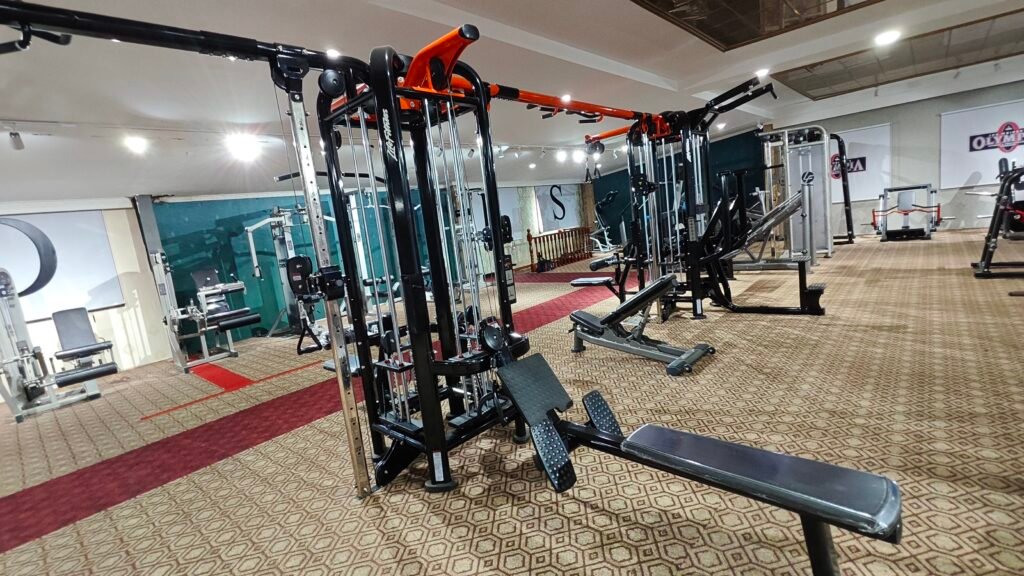
Where do most gyms get their equipment?
Understanding the supply chain is the first step toward making smart purchasing decisions. Most gyms do not buy their equipment directly from factories; instead, they acquire their gym equipment through several established channels, each with its own advantages and limitations.
Direct Manufacturer Purchases:
Large franchise operations and big-box gym chains often deal directly with a GYM Manufacturer. By bypassing intermediaries, these large corporations can negotiate substantial bulk discounts, customize equipment with their branding and color schemes, and coordinate shipping across multiple locations simultaneously. This direct relationship also gives them priority access to new product releases and exclusive warranty terms. However, this route typically requires massive minimum order quantities—often 50 to 100 units per model—making it inaccessible for independent gym owners.
Fitness Equipment Distributors:
This is the most common channel for independent gyms, boutique studios, and community centers. Distributors act as the vital bridge between manufacturers and end-users. They purchase fitness equipment in massive volumes from multiple factories, store inventory in regional warehouses, and sell smaller quantities to local gyms. This arrangement allows a small Fitness Studio to mix and match brands—perhaps choosing cardio machines from one manufacturer and strength equipment from another—without meeting strict factory minimums. Distributors also provide localized customer service, installation teams, and technical support, which distant manufacturers often cannot offer.
Used and Refurbished Equipment:
A significant portion of the market, particularly for budget-conscious startups, relies on the secondary market. As large chains refresh their floors every five to seven years, they sell off their existing inventory. Refurbishment companies purchase these lots, replace worn components such as motors, upholstery, and electronics, and resell them at a fraction of the original cost. While this option is attractive for its affordability, it often comes with limited warranties, unknown usage histories, and the risk of hidden mechanical issues.
Leasing and Equipment Financing:
Many commercial gyms do not actually purchase their gym equipment outright. Instead, they enter into lease agreements with financial institutions that partner with equipment manufacturers. Leasing preserves valuable working capital, allows for predictable monthly expenses, and often includes maintenance packages. More importantly, leasing enables gyms to upgrade to the latest models at the end of the lease term, ensuring their GYM CLUB always features state-of-the-art machinery that attracts and retains members.
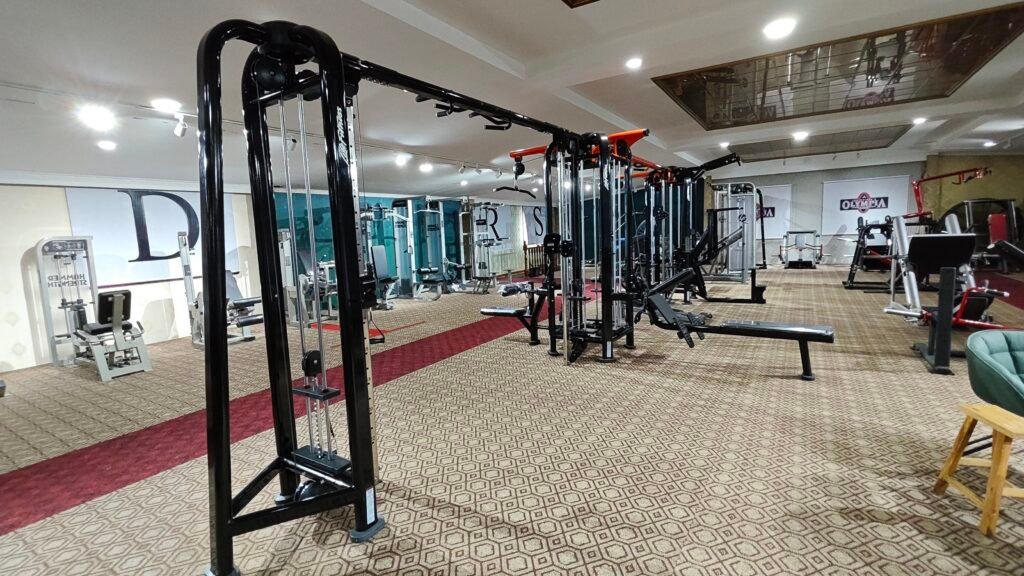
What is a fitness equipment distributor?
To successfully navigate the equipment market, you must understand the essential role of the distributor. A fitness equipment distributor is much more than a simple middleman; they are comprehensive solution providers that deliver value beyond mere product resale.
Core Functions of a Distributor:
Inventory and Showroom: Distributors maintain large showrooms where gym owners can physically test equipment before purchasing. This tactile experience—feeling the smoothness of a treadmill belt, testing the range of motion on a leg press, and evaluating console readability—is invaluable and impossible to replicate through online catalogs.
Logistics and Delivery: Distributors handle the complex logistics of “last mile” delivery. They have specialized teams that safely transport, assemble, and install heavy commercial machines on-site. Proper installation is critical; improperly assembled equipment can lead to safety hazards and premature wear.
Warranty and Maintenance: Most distributors offer comprehensive warranties that include parts and labor. If a motor fails in a busy GYM CLUB, the distributor’s technician arrives to diagnose and repair the issue. A direct factory purchase might require the gym to ship the faulty component overseas, leading to weeks of costly downtime.
Financing and Leasing Options: Many distributors have partnerships with financial institutions, offering in-house financing to help gym owners manage cash flow while still acquiring premium fitness equipment.
The Cost Consideration:
While distributors provide immense convenience and local support, they also add a markup to the factory price—typically 15% to 30% depending on the brand and volume. Savvy gym owners often seek a GYM Manufacturer that offers “direct-to-dealer” or “direct-to-gym” programs, bypassing the distributor entirely. However, this approach requires the gym to manage logistics, importation, and technical support independently. For most independent operators, the distributor’s value proposition justifies the additional cost.
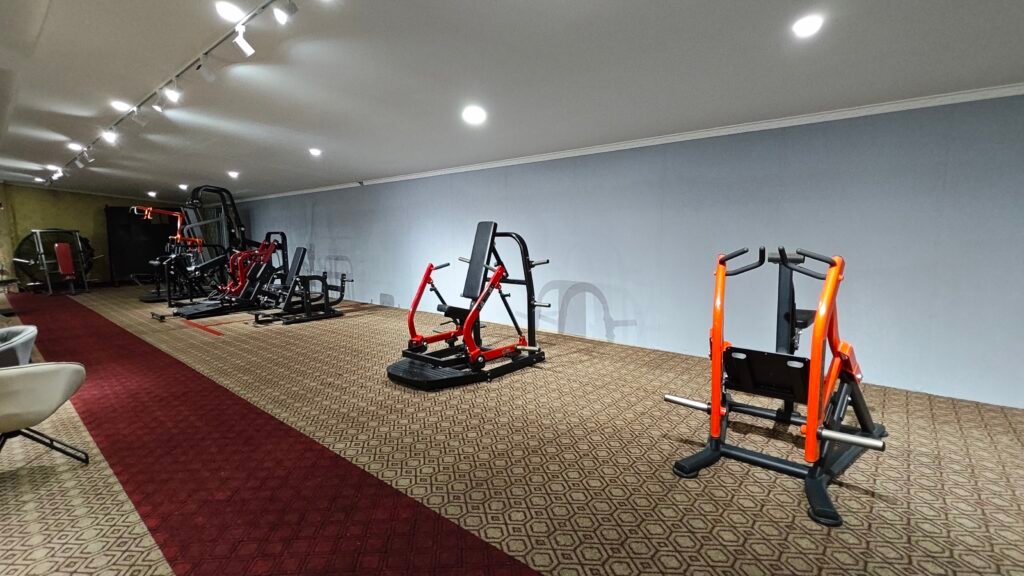
What brand do most gyms use?
Walking through any commercial GYM CLUB or upscale Fitness Studio in North America or Europe reveals a mix of recognizable industry giants. However, the landscape is more nuanced than a single dominant brand.
Cardiovascular Equipment:
The cardio market is dominated by brands like Life Fitness, Precor, and Technogym. These brands have established themselves as the gold standards for treadmills, ellipticals, and stationary bikes. Their machines are known for smooth belt action, durable motors, and sophisticated entertainment consoles that enhance the member experience. Many franchise agreements even require these specific brands.
Strength Equipment:
For selectorized and plate-loaded strength machines, Hammer Strength (owned by Life Fitness) and Cybex (owned by Brunswick) are the market leaders. These brands are prized for their biomechanical accuracy, which mimics the natural movements of free-weight exercises while providing the safety and guidance of a machine.
Functional Training and Rig Systems:
Recently, brands like Rogue Fitness and Eleiko have become dominant in the functional training space, particularly for CrossFit boxes and high-intensity interval training studios. However, many traditional commercial gyms prefer custom rig systems built by specialized GYM Manufacturer suppliers who can tailor designs to specific floor plans.
The OEM Alternative – The Rising Star:
Increasingly, large franchise operators and discerning independent owners are moving away from traditional “brands” and turning to Original Equipment Manufacturer (OEM) factories. Companies like Gettinglong produce equipment for many of the major brands under license or manufacture white-label products that match the quality of the big names at a 30% to 40% lower cost.
While Life Fitness and Precor are the most visible names on gym floors, the reality is that a significant portion of the equipment—particularly the pieces without prominent logos—is produced by contract GYM Manufacturer specialists based in Asia. These factories offer the same durability, performance, and customizability at a fraction of the price.
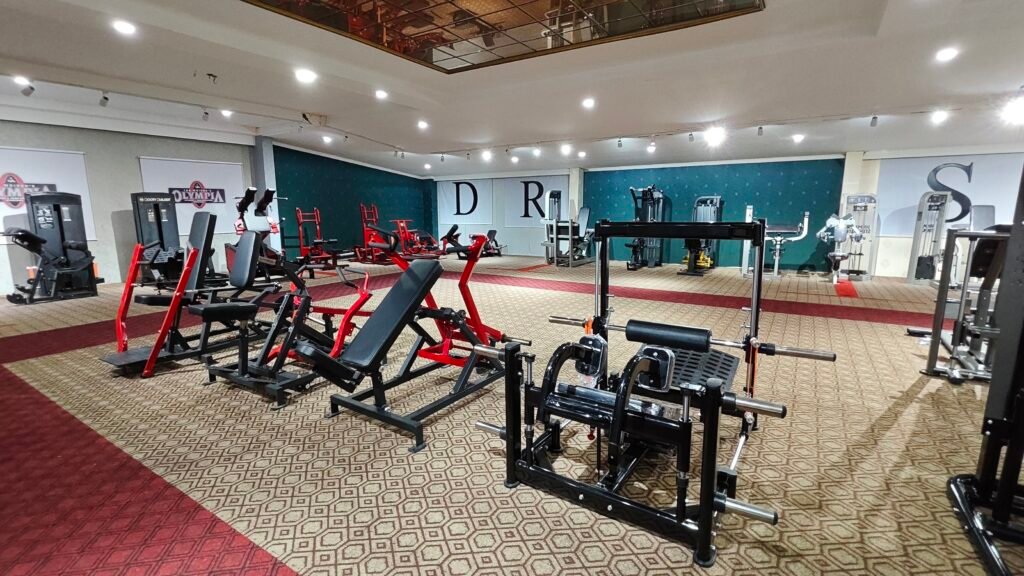
The Future of Fitness Equipment Sourcing
The modern gym owner is more educated and discerning than ever before. They understand that the brand name on the side of a machine does not necessarily dictate its quality; rather, it is the steel gauge, welding precision, bearing quality, and motor engineering that truly matter.
This awareness has driven a significant shift toward direct manufacturing relationships. By working directly with a GYM Manufacturer, facility owners can:
Customize Equipment: Choose specific color schemes, custom logos, upholstery materials, and even adjust dimensions to match their brand identity and available floor space.
Reduce Costs: Eliminate distributor markups, saving thousands of dollars per location and allowing for faster return on investment.
Secure Supply Chains: Establish direct relationships that ensure priority access to inventory, shielding them from the stockouts that often plague brand-name resellers during peak seasons.
For facility owners, the “brand” on the equipment matters less than the “brand” behind the equipment. When selecting gear for your Fitness Studio, prioritize the manufacturer’s reputation for quality, consistency, and customer support over the logo on the console.
Why Gettinglong is the Industry’s Trusted Partner
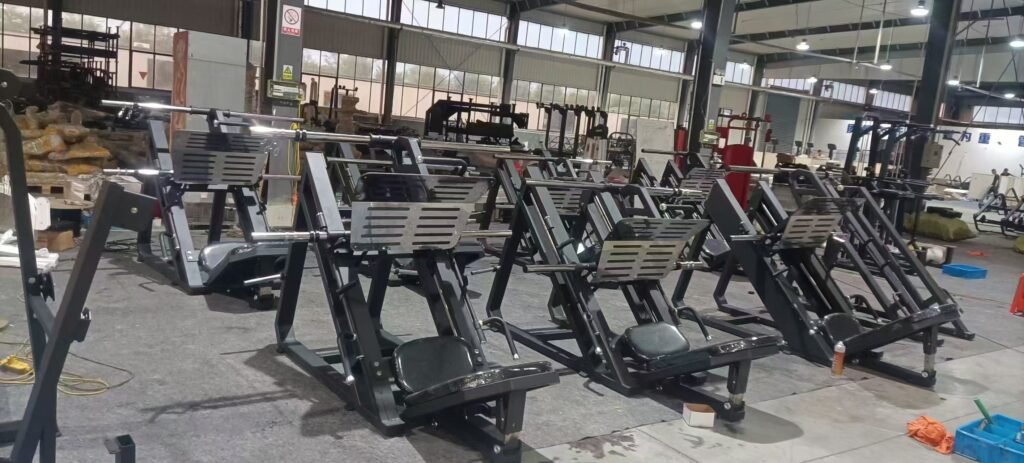
Understanding the complexities of the fitness equipment supply chain is one thing; finding a manufacturing partner that delivers on its promises is another. This is where Gettinglong distinguishes itself as a leader in the industry. We are not just a factory; we are a strategic partner dedicated to helping gym owners succeed.
Gettinglong Company Background
For many years, we have been at the forefront of the fitness equipment industry. Our state-of-the-art manufacturing facilities have always ensured production quality, while our experienced team provides unparalleled technical support. We have a proven track record of exporting products worldwide, with a strong presence in Asia, Europe and America.
Quality Control and Global Supply
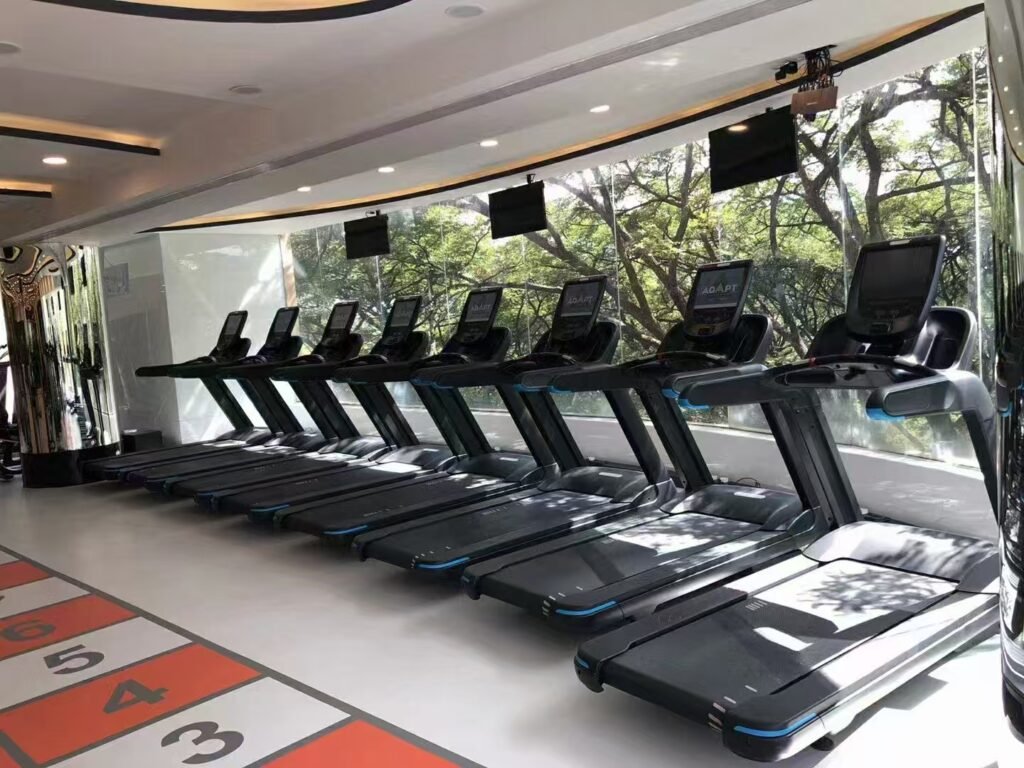
Our stringent quality control process ensures that every batch of fitness equipment meets standards. We work closely with our customers to ensure timely delivery and stable pricing, positioning their needs above market trends. Our dedication to customer satisfaction is reflected in our long-term partnerships, such as our decade-long partnership with one of the largest companies in the world.
Conclusion
Sourcing gym equipment is one of the most consequential decisions you will make as a fitness facility owner. We have explored the primary channels through which gyms acquire their equipment—direct manufacturer relationships, distributors, the secondary market, and leasing arrangements. We have defined the essential role of the fitness equipment distributor, who provides logistics, warranty support, and local service. We have emphasized that durability and biomechanics are the two most important considerations for any facility, as they directly impact operational costs and member retention. Finally, we have revealed that while household names like Life Fitness and Precor are prevalent, the true backbone of the industry is the specialized GYM Manufacturer that produces high-quality, customizable equipment behind the scenes.
By choosing a manufacturing partner like Gettinglong, you are not merely purchasing steel and electronics; you are investing in a relationship built on quality, reliability, and mutual success. Whether you are opening a boutique Fitness Studio or expanding a national GYM CLUB, the equipment you select defines your brand’s reputation and your members’ experience. Choose wisely, choose durable, and choose a partner that has stood the test of time.


