
The fitness industry is booming, and whether you’re opening a boutique Fitness Studio or a sprawling GYM CLUB, one of the most critical decisions you’ll make is where and how to acquire your equipment. The market is flooded with options, and navigating the supply chain can be overwhelming. This guide will answer the most pressing questions about gym equipment sourcing, from the origins of your machines to the partnerships that keep your facility running smoothly.
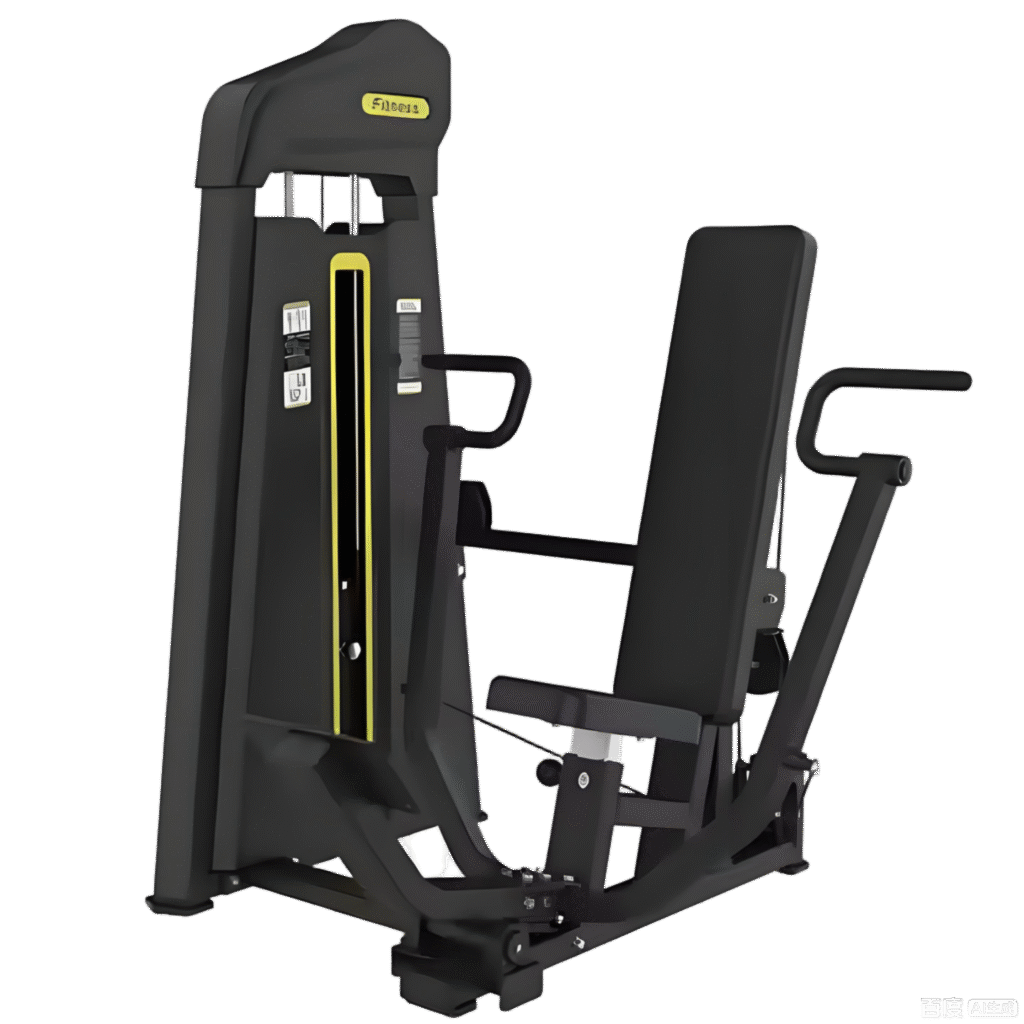
Where Do Most Gyms Get Their Equipment?
This is the foundational question for any new gym owner. The answer is multifaceted, as gyms typically acquire their fitness equipment through several primary channels:
Direct from Manufacturers: Large commercial gym chains and franchises often bypass intermediaries by purchasing directly from GYM Manufacturer companies. This approach offers the best pricing for bulk orders and allows for customization of machines (e.g., specific color schemes, upholstery, and logo placement). However, it requires significant capital upfront and a dedicated logistics team to manage shipping and installation.
Authorized Distributors: This is the most common route for independent gyms and mid-sized facilities. Distributors act as the bridge between the factory and the gym floor. They purchase massive quantities from various GYM Manufacturer brands and then sell them to individual clients. This is often more convenient for new business owners because distributors handle warehousing, shipping, and often provide white-glove delivery and assembly services.
Used Equipment Resellers: A budget-friendly option for startups or facilities looking to expand quickly. Many gyms source high-quality used gym equipment from hotels, universities, or other clubs that are upgrading. While this significantly reduces initial costs, it requires a careful inspection to ensure the machines are structurally sound and mechanically functional.
Leasing Programs: Many manufacturers and distributors offer leasing options. This allows gym owners to acquire top-tier fitness equipment without a massive initial payout. Leasing often includes maintenance packages, which is an attractive feature for busy GYM CLUB managers who want to avoid repair headaches.
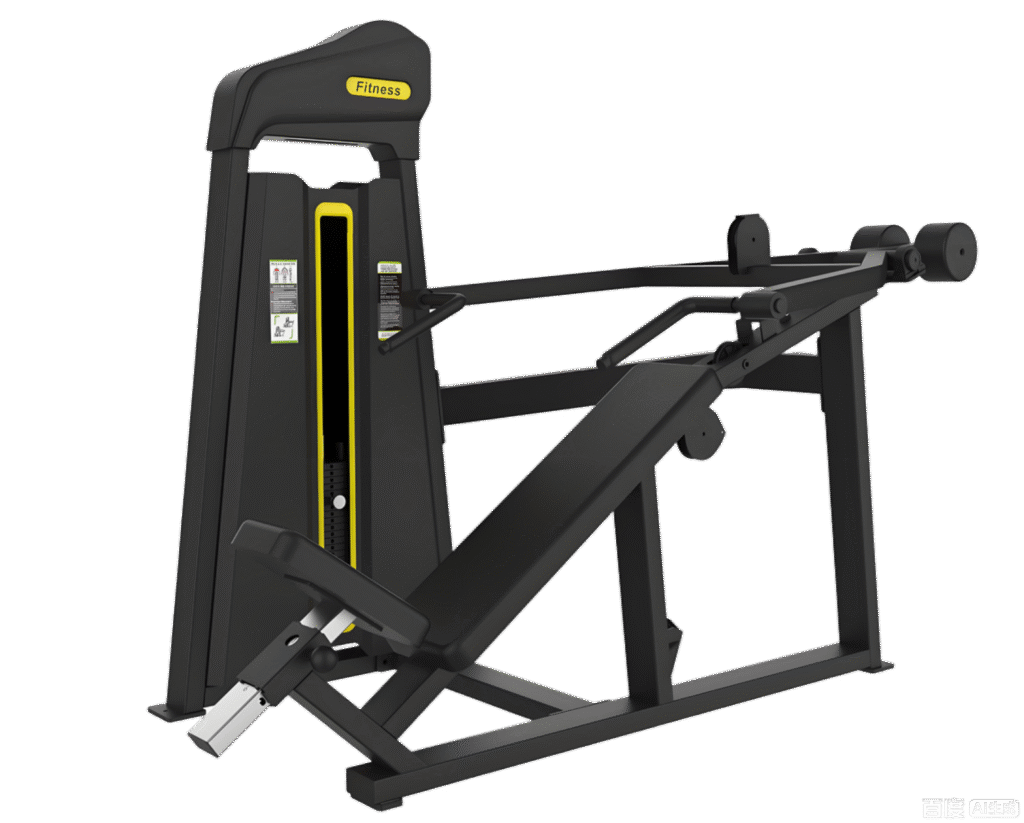
What Is a Fitness Equipment Distributor?
A fitness equipment distributor is more than just a middleman. They are the logistical and logistical backbone of the fitness supply chain. Understanding their role is crucial for making an informed purchasing decision.
A distributor is a company that purchases gym equipment in enormous bulk directly from the GYM Manufacturer factories. They stock these items in massive regional warehouses. When a gym owner places an order, the distributor pulls the items from their inventory and arranges delivery.
However, the best distributors offer far more than just shipping. Here is what a high-quality distributor provides:
Inventory Management: They maintain massive stockpiles of spare parts and popular machines. If a treadmill breaks down in your Fitness Studio, a distributor can often have a replacement part or a loaner machine to you within 24 to 48 hours.
Brand Variety: Unlike a single manufacturer, a distributor usually carries multiple brands. This allows you to mix and match—getting the best treadmills from one brand and the best strength machines from another.
Financing Solutions: As mentioned, many distributors offer in-house financing or have partnerships with financial institutions to help you afford that expensive gym equipment over a longer term.
Sales Representation: The sales reps working for a distributor often have extensive engineering and biomechanics knowledge. They can walk you through the technical specifications to ensure you are buying the right machine for your target demographic—be it a hardcore bodybuilding GYM CLUB or a functional fitness Fitness Studio.
When dealing with a distributor, you are paying for convenience and support. They absorb the risk of holding inventory so you don’t have to wait the 8-12 weeks that a factory custom order might take.
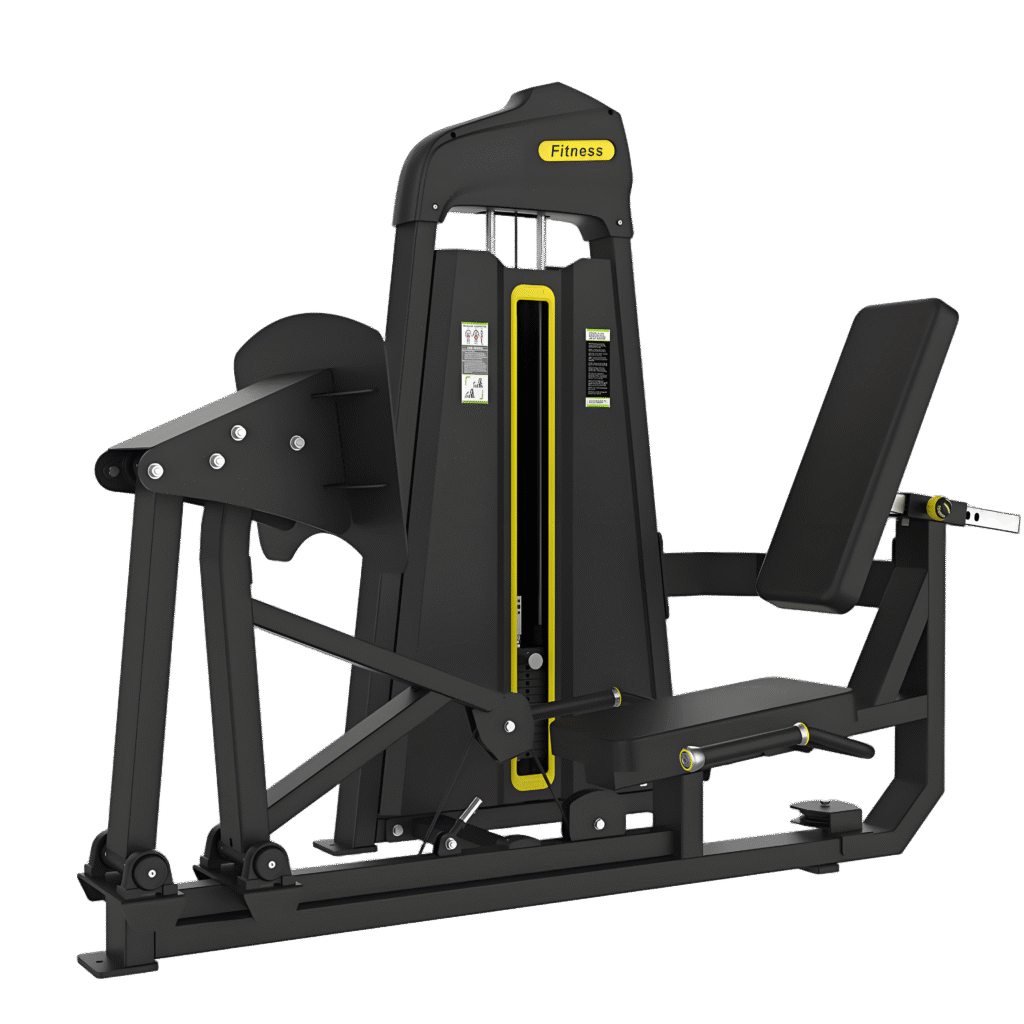
What Are the Two Most Important Considerations When Selecting a Fitness Facility?
While equipment sourcing is vital, the success of a gym starts with the building itself. Owners often focus on the bells and whistles of machines but neglect the fundamentals of the facility. When selecting a physical space for your Fitness Studio or GYM CLUB, the two most critical considerations are:
1. Ceiling Height and Flooring Integrity
You might be surprised, but ceiling height is a deal-breaker for many modern fitness operations. If your fitness equipment includes power racks, cable crossovers, Smith machines, or functional training rigs, you need high ceilings (ideally 12-18 feet). Standard residential ceilings (8-9 feet) will render many strength machines unusable due to the range of motion required.
Flooring is equally critical. The subfloor needs to be a solid concrete slab. Additionally, you must factor in the cost and weight of rubber flooring. The wrong flooring can void the warranty on your gym equipment and lead to injuries if the surface is too hard or too soft.
2. Weight Capacity of the Building Structure (Dead Load)
Many new gym owners overlook the sheer weight of fitness equipment. A single commercial treadmill weighs over 400 lbs. A plate-loaded leg press can weigh over 700 lbs. Multiply that by 30 or 40 pieces of equipment, plus the weight of 50-100 gym members working out at the same time, and you are looking at tens of thousands of pounds of static and dynamic load.
If the floor is not engineered to support this weight, you risk structural damage over time. Most commercial buildings are rated for specific pounds per square foot (PSF). Ensure the facility you choose for your GYM CLUB has a rating that comfortably exceeds your planned equipment density. This is a non-negotiable safety and liability issue.
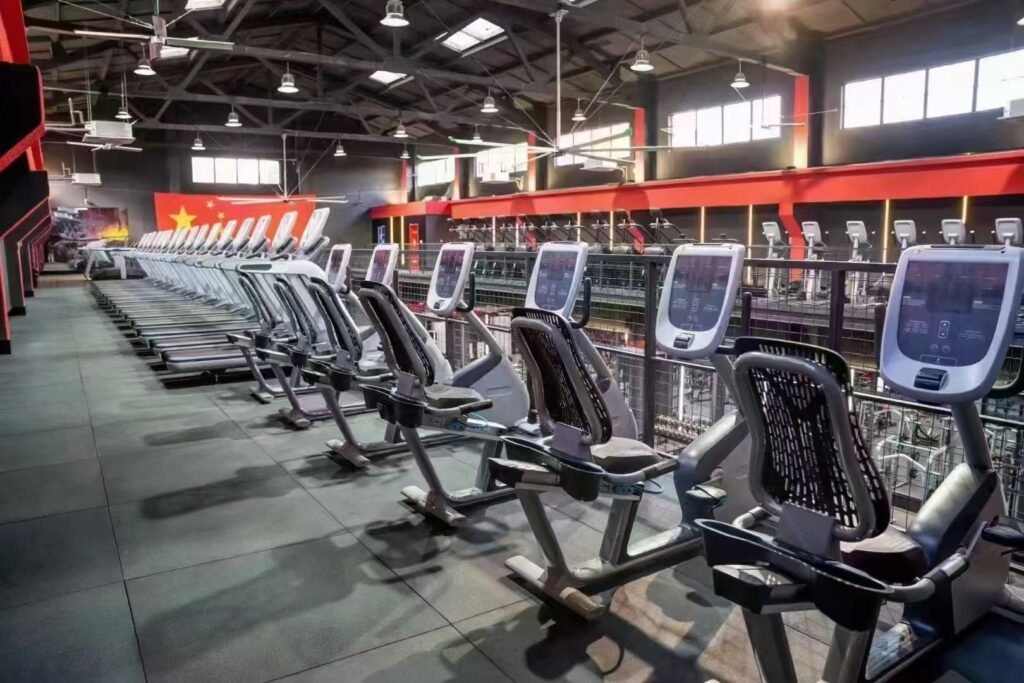
What Brand Do Most Gyms Use?
The question of “most used brand” is nuanced. There is no single winner; rather, the market is dominated by a few powerhouses that specialize in different types of fitness equipment.
Life Fitness: Arguably the most recognizable name in the industry. They are the standard for most premium hotels, university recreation centers, and elite GYM CLUB chains. Their cardio equipment (treadmills, ellipticals, and stationary bikes) is renowned for its biomechanical accuracy and smooth feel.
Precor: Similar to Life Fitness, Precor is a massive player in the cardio space, particularly with their Adaptive Motion Trainers (AMTs). They are often found in high-end commercial facilities.
Hammer Strength: A subsidiary of Life Fitness, Hammer Strength is the undisputed king of plate-loaded and selectorized strength training. If you see a heavy-duty, industrial-looking machine, it is likely Hammer Strength. They are the go-to for bodybuilding-focused GYM CULBs.
Technogym: An Italian brand that is popular in luxury boutique Fitness Studio spaces. They have a more sleek, design-forward aesthetic and offer connected “wellness” ecosystems.
Matrix Fitness: A rapidly growing brand that offers a strong balance of quality and price. They are increasingly common in medium-sized independent gyms and provide excellent warranties.
Ultimately, the “most used” brand depends on the gym’s demographic. A hardcore powerlifting GYM CLUB will use Hammer Strength or Rogue, while a high-end corporate wellness center will default to Life Fitness.
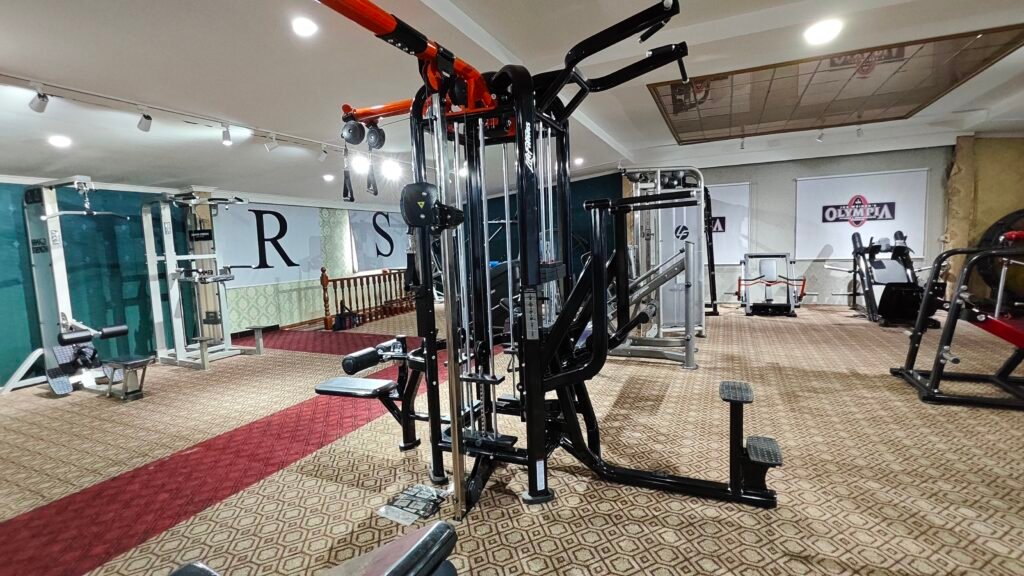
The Critical Role of the GYM Manufacturer
Behind every successful Fitness Studio or GYM CLUB is a reliable GYM Manufacturer. These are the innovators who design the engineering and biomechanics that keep your members safe and effective.
When dealing with manufacturers, you are typically looking at lead times of 60 to 90 days for custom orders (if you want specific colors or customized branding). However, manufacturers are the best source for technical support, wiring diagrams, and proprietary parts that only they can produce. Establishing a direct line of communication with a manufacturer’s technical support team is vital for maintaining your gym equipment.
Building a Sustainable Supply Chain
To ensure your Fitness Studio or GYM CLUB thrives, you need to build a supply chain strategy. This involves deciding which items to buy new from a distributor, which to lease, and which to potentially buy used.
One key strategy is to use distributors for your “big-box” cardio (treadmills, bikes) and core strength lines, but work directly with specialized GYM Manufacturers for niche equipment like turf lanes, sleds, and specialty bars. This hybrid approach optimizes cost and performance.
Conclusion and Company Insights
Sourcing the right gym equipment is a complex journey, but it doesn’t have to be painful. By understanding the roles of distributors, the importance of your facility’s architecture, and the brand landscape, you are already ahead of most startup competitors.
When you partner with a GYM Manufacturer or distributor, you aren’t just buying metal and electronics; you are buying the reliability that your members expect and the safety that your liability insurance demands. A well-equipped gym is the foundation of a strong community.
For gym owners seeking reliability and a global perspective, finding a partner with a proven track record is essential. At Gettinglong, we understand the nuances of the global fitness market intimately.
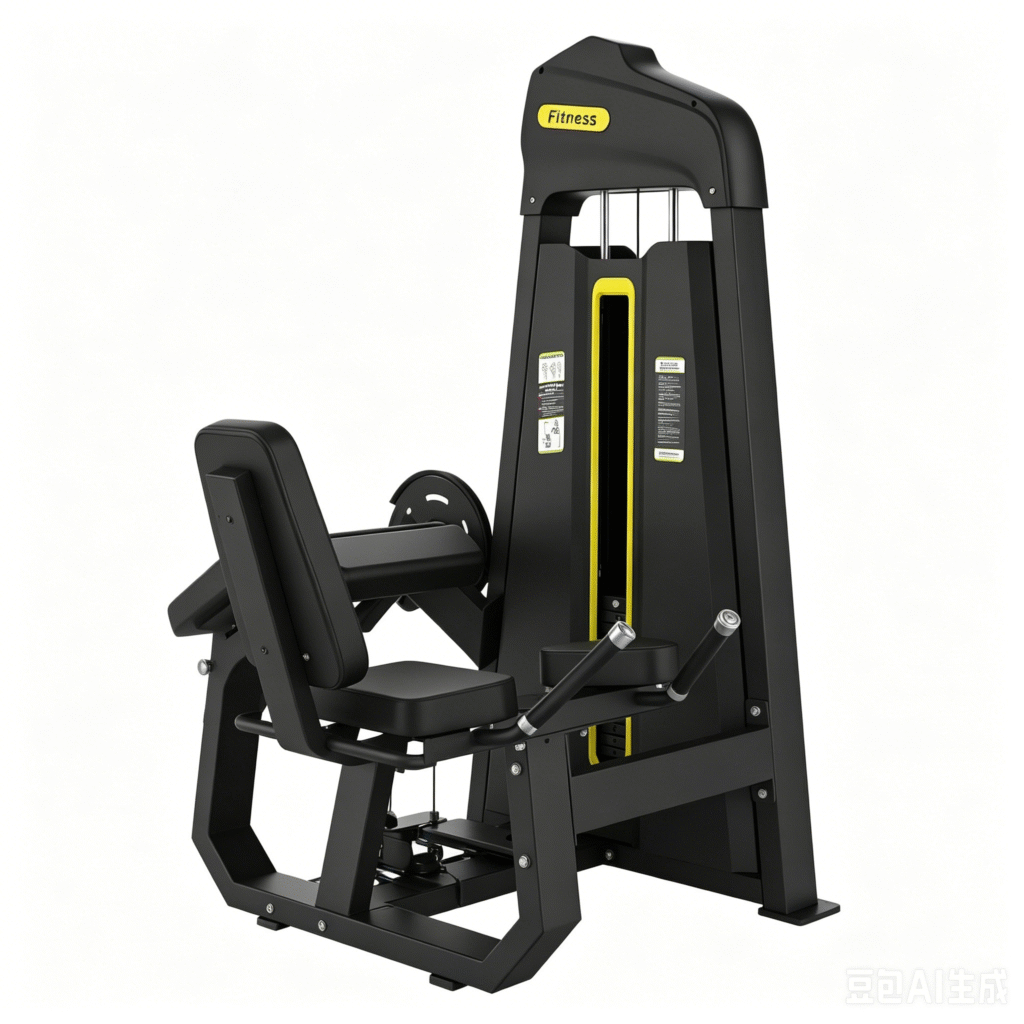
Gettinglong Company Background
For many years, we have been at the forefront of the fitness equipment industry. Our state-of-the-art manufacturing facilities have always ensured production quality, while our experienced team provides unparalleled technical support. We have a proven track record of exporting products worldwide, with a strong presence in Asia, Europe and America.
Quality Control and Global Supply
Our stringent quality control process ensures that every batch of fitness equipment meets standards. We work closely with our customers to ensure timely delivery and stable pricing, positioning their needs above market trends. Our dedication to customer satisfaction is reflected in our long-term partnerships, such as our decade-long partnership with one of the largest companies in the world.
When you choose to source your gym equipment, remember that the relationship with your supplier is just as important as the machines themselves. Whether you are opening a boutique Fitness Studio or a massive GYM CLUB, you need a partner who understands quality, logistics, and support. At Gettinglong, we deliver all that and more, ensuring your facility is always ready to serve your members.


