
The fitness industry is booming, with millions of people worldwide prioritizing their health and wellness. For entrepreneurs looking to capitalize on this trend, opening a gym or fitness studio is an exciting venture. However, the success of any fitness business largely depends on two critical factors: the quality of equipment and the strategic decisions made during the setup phase. This comprehensive guide explores the essential questions every gym owner must answer, from sourcing equipment to selecting the perfect location, while highlighting the importance of partnering with reliable manufacturers.
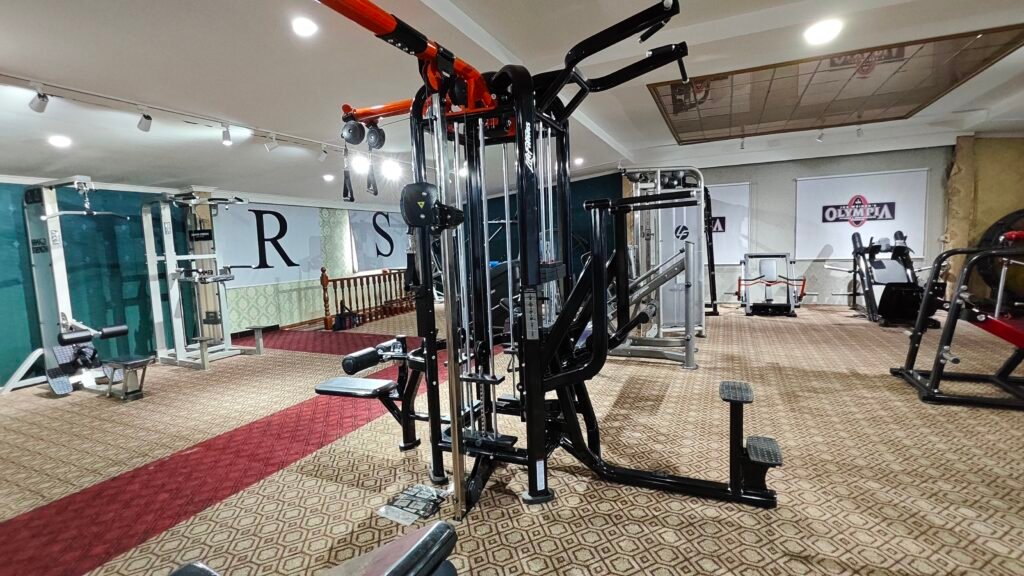
Where Do Most Gyms Get Their Equipment?
When it comes to equipping a commercial facility, gym owners have several options. Understanding these channels is crucial for making informed purchasing decisions that balance quality, cost, and reliability.
Direct Manufacturer Partnerships
Large franchise chains and established gym operators often establish direct relationships with manufacturers. This approach allows for customization, including branding, color schemes, and even unique equipment modifications. Direct purchasing typically offers better pricing for bulk orders, but requires significant capital investment and longer lead times.
Fitness Equipment Distributors
The most common channel for independent gym owners is through specialized distributors. These intermediaries purchase gym equipment in bulk from various manufacturers and offer them to end-users. Distributors provide valuable services including showroom access, delivery, installation, and after-sales support. For a new Fitness Studio operator, working with a reputable distributor reduces the complexity of managing multiple supplier relationships.
Online B2B Marketplaces
With the digital transformation of commerce, many manufacturers now list their products on platforms like Alibaba, Global Sources, and specialized fitness equipment portals. This channel offers price transparency and access to global suppliers, but requires careful due diligence regarding quality control, shipping costs, and import regulations.
Used Equipment Markets
For budget-conscious startups, the secondary market for fitness equipment can be an attractive option. Many commercial gyms regularly upgrade their inventory, offering well-maintained used equipment at fraction of new prices. However, buyers must carefully inspect items for wear and tear, especially on moving parts and electronic components.
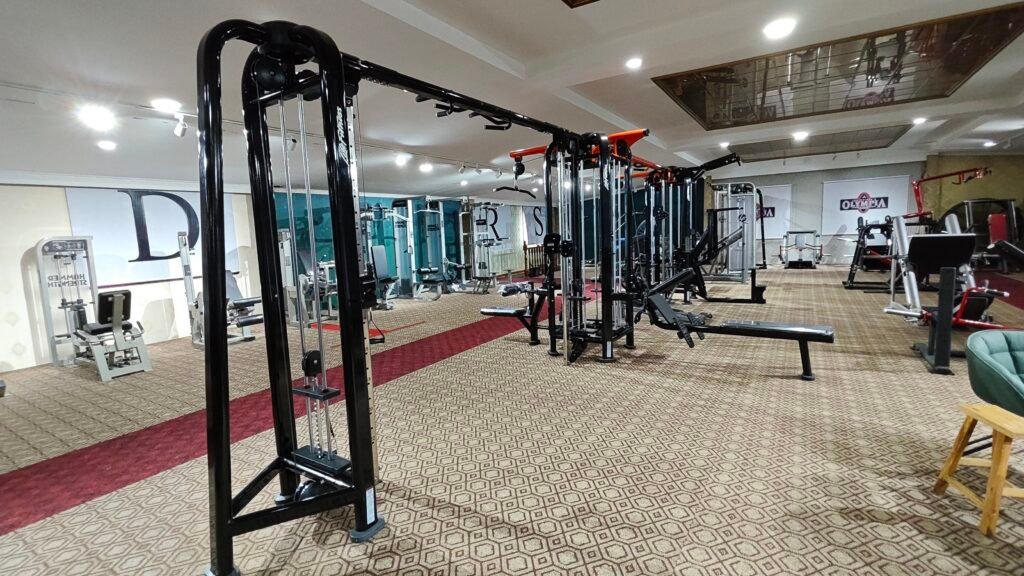
What Is a Fitness Equipment Distributor?
A fitness equipment distributor serves as a vital link between manufacturers and end-users, providing essential services that go far beyond simple product resale. Understanding their role helps gym owners leverage their expertise effectively.
Inventory Management and Logistics
Distributors maintain substantial inventory in local warehouses, enabling rapid delivery to customers. For a GYM CLUB owner, this means less waiting time and faster setup. Distributors also handle complex logistics, including freight shipping, customs clearance for imported items, and last-mile delivery to the facility.
Showroom Experience
One of the most valuable services distributors provide is physical showrooms where potential buyers can test equipment before purchasing. This hands-on experience is irreplaceable when selecting gym equipment that will be used daily by members. The ability to compare different brands side-by-side helps owners make better investment decisions.
Installation and Maintenance
Professional installation is critical for safety and equipment longevity. Distributors employ certified technicians who ensure proper assembly, electrical connections, and calibration. They also offer ongoing maintenance contracts, which are essential for minimizing downtime at a busy Fitness Studio.
Financing Solutions
To lower barriers to entry, many distributors offer leasing and financing options. This allows new gym owners to equip their facility without depleting working capital. Monthly payment plans make premium fitness equipment accessible to startups with limited budgets.
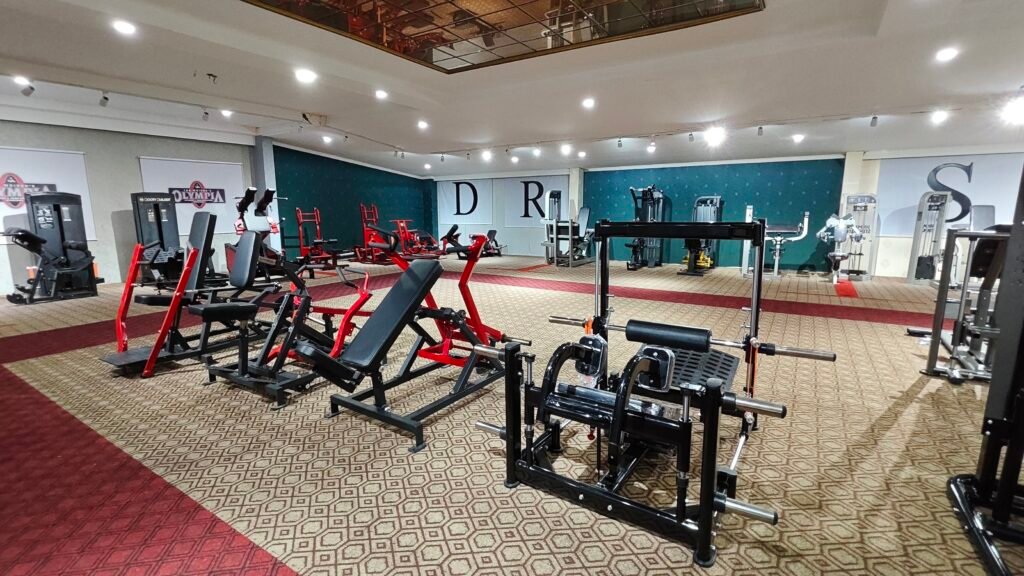
What Brand Do Most Gyms Use?
The commercial fitness equipment market is dominated by several established brands, each with distinct strengths. However, the landscape is evolving with the rise of high-quality manufacturers from Asia.
Legacy Commercial Brands
-
Life Fitness: As the industry benchmark, Life Fitness equipment is found in thousands of commercial gyms worldwide. Their cardio machines are particularly popular for their reliability, user-friendly interfaces, and strong resale value. A premium GYM CLUB often features Life Fitness as its primary cardio brand.
-
Technogym: Synonymous with luxury and innovation, Technogym is the preferred choice for high-end Fitness Studio environments and luxury hotel spas. Their equipment combines sleek Italian design with advanced connectivity features, offering a premium user experience.
-
Hammer Strength: For strength training enthusiasts, Hammer Strength is legendary. Their plate-loaded and selectorized equipment is designed to mimic natural movement patterns, making it a staple in collegiate athletic centers and hardcore training facilities.
-
Precor: Known for smooth elliptical motion and ergonomic design, Precor is widely used in corporate wellness centers and hotel fitness rooms.
The Rising Force: Asian Manufacturers
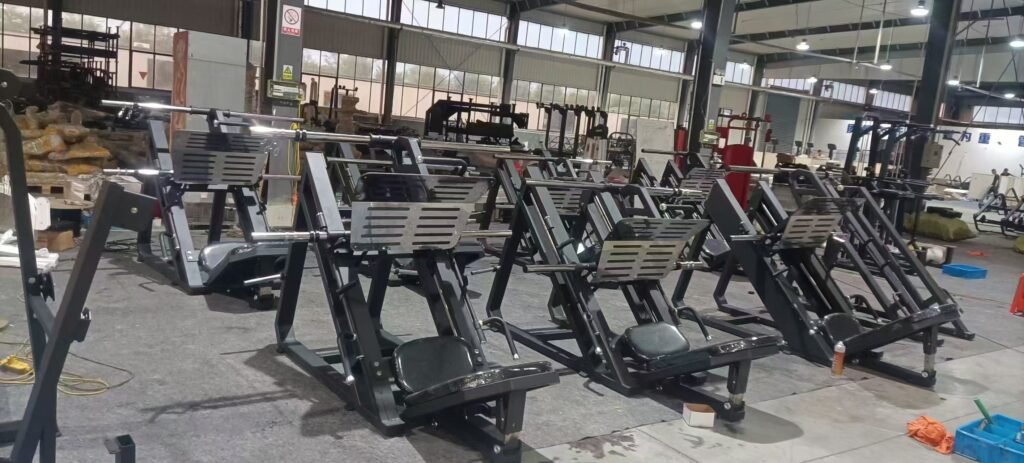
In recent years, Chinese manufacturers have made significant inroads into the global market. Companies like Gettinglong, Shuhua, and Impulse offer commercial-grade fitness equipment at competitive prices. These manufacturers have invested heavily in research and development, quality control, and international certifications. For new gym owners, these brands represent an excellent value proposition without compromising on safety or durability.
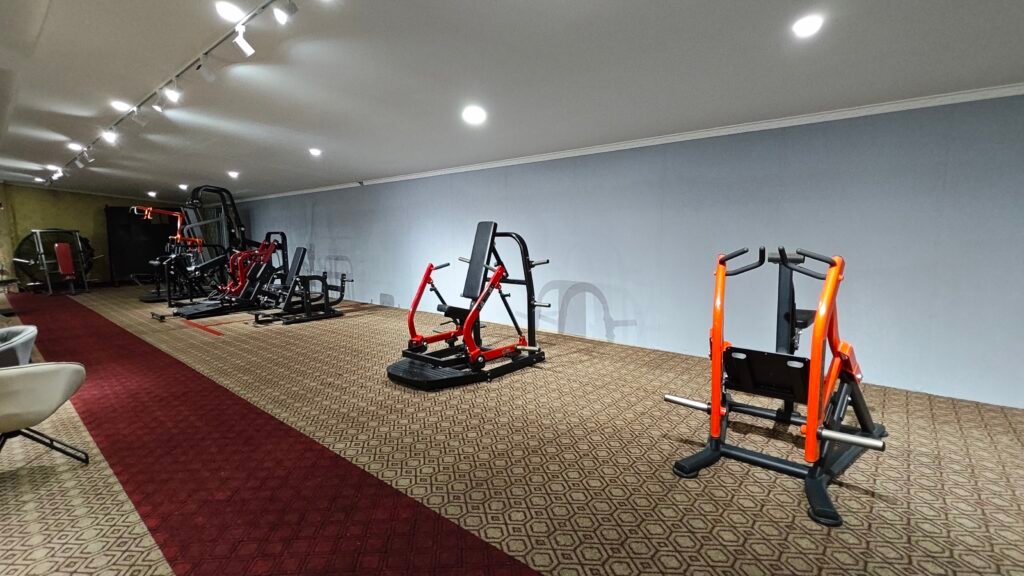
What Are the Two Most Important Considerations When Selecting a Fitness Facility?
Choosing the right location for a GYM CLUB or Fitness Studio is a strategic decision with long-term implications. While many factors matter, two considerations stand above all others.
1. Location and Demographic Analysis
The success of any brick-and-mortar fitness business depends on location. High-traffic areas with easy accessibility, ample parking, and visibility attract more members. However, the surrounding demographics must align with the business model. A luxury boutique studio requires a different neighborhood than a budget-friendly chain gym.
Key factors to analyze include:
-
Population density and growth projections
-
Average household income and spending habits
-
Competition analysis within a 3-5 mile radius
-
Commuting patterns and foot traffic
-
Proximity to complementary businesses (e.g., healthy cafes, sports retailers)
2. Space Layout and Infrastructure
The physical characteristics of the space determine the user experience and operational efficiency.
-
Ceiling Height: Many functional training exercises, group classes, and equipment like cable crossovers require sufficient vertical clearance. Low ceilings can severely limit the types of gym equipment that can be installed.
-
Flooring Requirements: Heavy fitness equipment necessitates specialized flooring to protect the subfloor and reduce noise. Rubber flooring, shock-absorbent mats, and specialized turf are common investments that add to setup costs.
-
Electrical Capacity: Modern gyms are power-intensive. Cardio machines, screens, sound systems, and HVAC systems all require adequate electrical infrastructure. Older buildings may need significant upgrades.
-
Traffic Flow and Zoning: The layout must facilitate smooth movement between cardio, strength, functional training, and stretching zones. Poor design leads to congestion, safety hazards, and member dissatisfaction.
-
Ventilation and Natural Light: Comfortable environments retain members. Proper ventilation, air conditioning, and access to natural light improve the workout experience and reduce operational complaints.
Building a Successful Gym: Strategic Recommendations
Invest in Quality Over Quantity
A common mistake among new gym owners is purchasing cheap equipment to maximize variety. However, commercial-grade gym equipment is designed for heavy usage and typically lasts 5-10 years with proper maintenance. Investing in reliable brands reduces long-term replacement costs and enhances member satisfaction.
Prioritize Member Experience
The equipment selection should reflect the target demographic. A powerlifting-focused GYM CLUB requires different equipment than a Pilates Fitness Studio. Understanding member preferences through market research prevents costly mismatches.
Plan for Growth
Selecting a facility with expansion potential allows for future growth without relocation. Similarly, choosing modular fitness equipment that can be reconfigured as trends evolve provides operational flexibility.
The Partner You Can Trust: Gettinglong Manufacturing
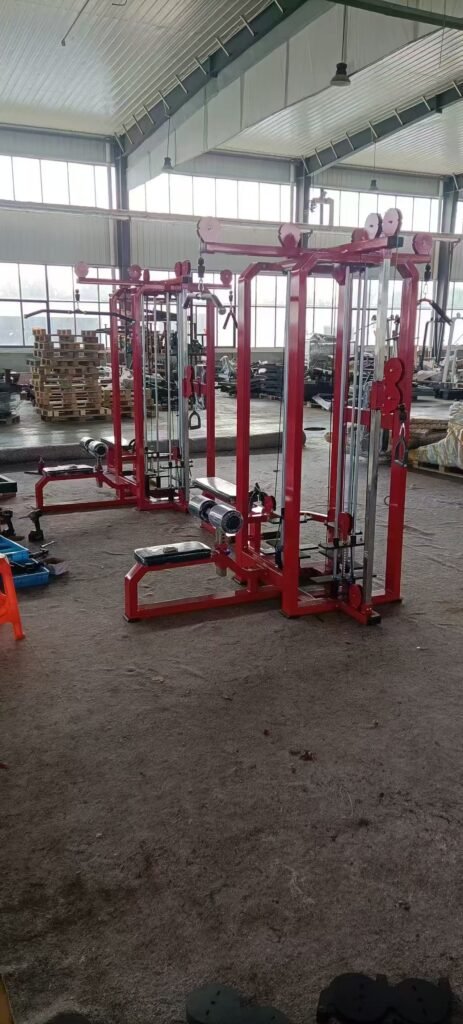
Behind every successful fitness business is a reliable supply chain partner that understands the unique demands of the industry. With over a decade of experience in the global market, Gettinglong has established itself as a trusted GYM Manufacturer that consistently delivers excellence.
Gettinglong Company Background
For many years, we have been at the forefront of the fitness equipment industry. Our state-of-the-art manufacturing facilities have always ensured production quality, while our experienced team provides unparalleled technical support. We have a proven track record of exporting products worldwide, with a strong presence in Asia, Europe and America.
Quality Control and Global Supply
Our stringent quality control process ensures that every batch of fitness equipment meets international standards. We work closely with our customers to ensure timely delivery and stable pricing, positioning their needs above market trends. Our dedication to customer satisfaction is reflected in our long-term partnerships, such as our decade-long partnership with one of the largest companies in the world.
When you choose Gettinglong, you are not just purchasing equipment; you are investing in a partnership built on quality, reliability, and mutual success. Whether you are opening a new Fitness Studio or expanding an existing GYM CLUB, our team is committed to providing the support and expertise you need to thrive in this competitive industry.
Conclusion
The journey from concept to operational gym involves many critical decisions, from sourcing reliable fitness equipment to selecting the ideal location. By understanding the role of distributors, evaluating brand options carefully, and prioritizing strategic factors like location and infrastructure, entrepreneurs can build thriving fitness businesses.
As the industry continues to evolve, the importance of quality equipment and reliable manufacturing partnerships cannot be overstated. With the right approach and the support of trusted partners like Gettinglong, your vision of creating a successful fitness facility can become a reality. Start your journey today, and join the growing community of gym owners who are making a positive impact on global health and wellness.


