
The global fitness industry is booming, and at the heart of every successful GYM CLUB or Fitness Studio lies a foundation of reliable, high-performance machinery. Whether you are a franchise owner looking to outfit a new location or an independent entrepreneur launching a boutique studio, understanding the supply chain of fitness equipment is crucial. Where do these massive machines come from? Who ensures they arrive on time? And how do you choose the right gear for your members?
In this comprehensive guide, we will answer the most pressing questions about the commercial fitness supply chain. We will explore the role of distributors, the criteria for selecting a facility, and the brands that dominate the market. As a leading GYM Manufacturer, we will also share insights into how quality control and global logistics play a pivotal role in keeping the world moving.
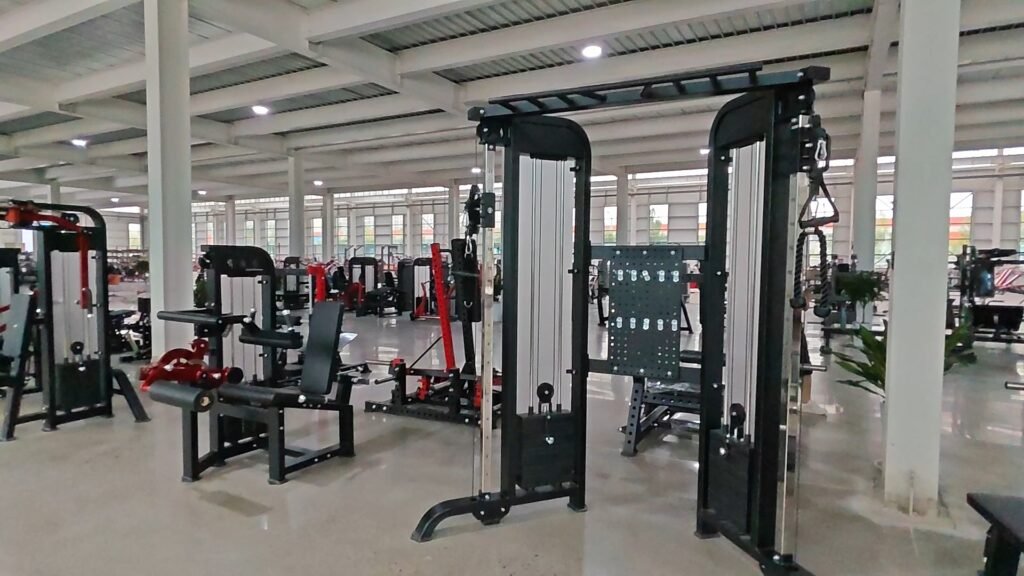
Where do most gyms get their equipment?
The journey of a treadmill or weight stack from factory floor to the gym floor is a complex one. Most gyms do not buy directly from the factory; instead, they acquire their gym equipment through a multi-tiered network. The primary sources are:
-
Direct Purchases from Manufacturers (B2B): Large franchise chains and big-box gyms often deal directly with GYM Manufacturer entities. By cutting out the middleman, these large corporations can negotiate bulk pricing, customized branding (like specific color schemes for upholstery), and direct shipping to multiple locations. However, this route usually requires massive minimum order quantities (MOQs) that are unattainable for smaller businesses.
-
Fitness Equipment Distributors: This is the most common channel for independent gyms and boutique studios. Distributors act as the bridge between the factory and the end-user. They buy in massive bulk from multiple manufacturers, store the inventory in regional warehouses, and sell smaller quantities to local gyms. This allows a small Fitness Studio to mix and match brands—buying cardio from one brand and strength from another—without having to meet the strict MOQs of a factory.
-
Used and Refurbished Markets: A significant portion of gyms, especially budget-oriented or community centers, turn to the secondary market. As large chains upgrade their floors every 5-7 years, they sell off their old inventory. Dealers purchase these lots, refurbish them (replacing motors, upholstery, and wiring), and resell them at a fraction of the cost. While cheaper, this route often lacks warranty and technical support.
-
Leasing and Financing Companies: Many commercial gyms do not “buy” equipment outright. They lease it through financial institutions that partner with manufacturers. This allows gyms to preserve cash flow, with the added benefit of upgrading to the latest models at the end of the lease term, ensuring their gym equipment remains cutting-edge.
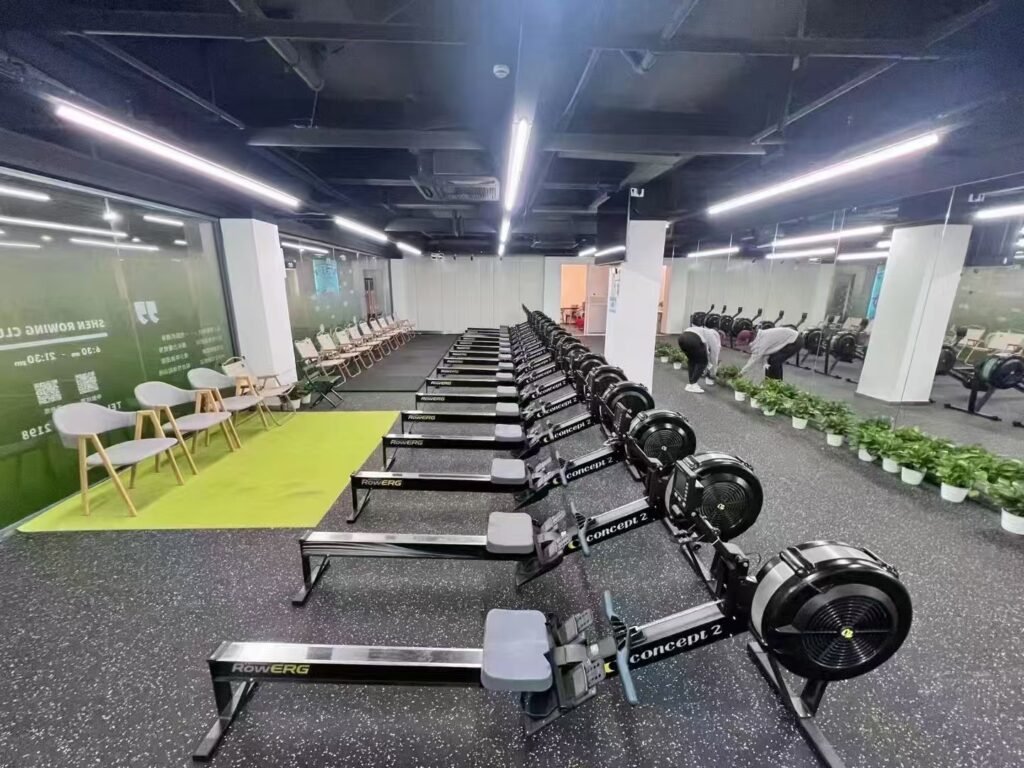
What is a fitness equipment distributor?
To truly navigate the market, you must understand the role of the distributor. A fitness equipment distributor is a specialized logistics and sales entity that sits between the factory and the gym owner. They are more than just resellers; they are solution providers.
Distributors typically handle the following responsibilities:
-
Inventory Holding: They maintain large showrooms and warehouses, allowing gym owners to “test drive” equipment before purchasing. This is something a distant factory cannot offer.
-
Logistics and Installation: Distributors manage the “last mile” delivery. They have in-house teams that deliver, assemble, and install complex rigs and cardio machines on-site.
-
Service and Maintenance: Most distributors offer warranties that include labor. If a motor fails in a GYM CLUB, the distributor sends a technician to fix it, whereas a direct factory purchase might require the gym to ship the part back.
-
Financing Solutions: They often offer in-house financing to help gyms manage cash flow.
However, it is important to note that distributors add a markup to the factory price. While they provide convenience and service, a savvy gym owner will often seek out a GYM Manufacturer that offers “direct-to-dealer” or “direct-to-gym” programs to eliminate the middleman, provided they can handle the logistics themselves.
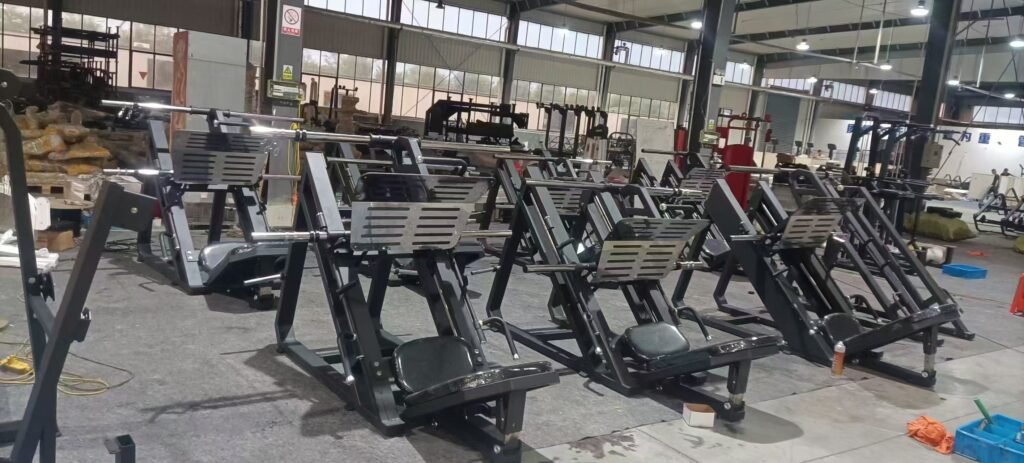
What is a fitness equipment distributor?
To truly navigate the market, you must understand the role of the distributor. A fitness equipment distributor is a specialized logistics and sales entity that sits between the factory and the gym owner. They are more than just resellers; they are solution providers.
Distributors typically handle the following responsibilities:
-
Inventory Holding: They maintain large showrooms and warehouses, allowing gym owners to “test drive” equipment before purchasing. This is something a distant factory cannot offer.
-
Logistics and Installation: Distributors manage the “last mile” delivery. They have in-house teams that deliver, assemble, and install complex rigs and cardio machines on-site.
-
Service and Maintenance: Most distributors offer warranties that include labor. If a motor fails in a GYM CLUB, the distributor sends a technician to fix it, whereas a direct factory purchase might require the gym to ship the part back.
-
Financing Solutions: They often offer in-house financing to help gyms manage cash flow.
However, it is important to note that distributors add a markup to the factory price. While they provide convenience and service, a savvy gym owner will often seek out a GYM Manufacturer that offers “direct-to-dealer” or “direct-to-gym” programs to eliminate the middleman, provided they can handle the logistics themselves.
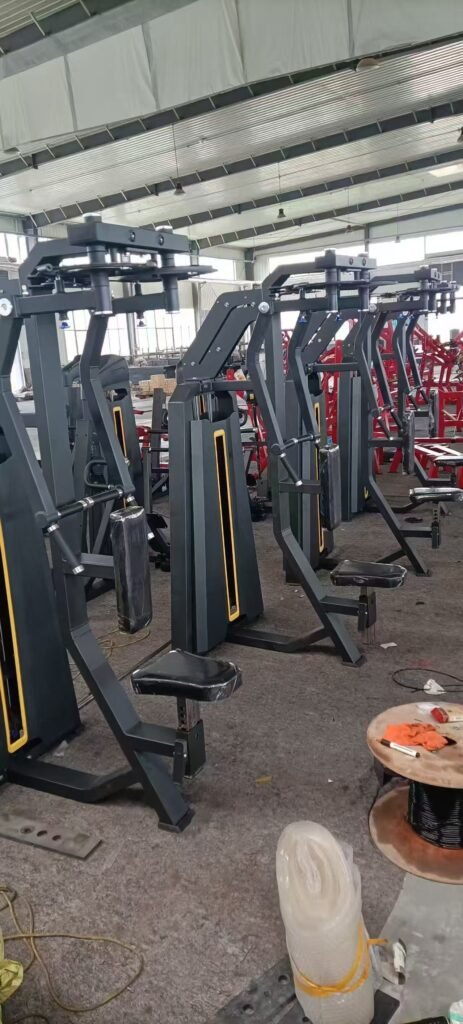
What are the two most important considerations when selecting a fitness facility?
When selecting a facility (or when a facility selects its equipment), decision-makers usually focus on a long list of features. However, two considerations consistently rise to the top as the most critical factors for long-term success:
1. Durability and Maintenance Costs (Total Cost of Ownership)
The initial purchase price is just the tip of the iceberg. The most important consideration is the machine’s life cycle cost. Commercial fitness equipment is used for 12 to 16 hours a day, 7 days a week. If a treadmill breaks down every three months, the lost revenue from member complaints and the cost of replacement parts will quickly exceed the initial savings.
-
Frame Warranty: A true commercial-grade machine should have a lifetime warranty on the frame.
-
Parts Availability: You must ensure that parts are readily available in your region. If a distributor has to ship a motor from overseas, you could be looking at weeks of downtime.
-
Serviceability: Can a technician access the motor easily? Are the electronics modular? A good GYM Manufacturer designs equipment with serviceability in mind.
2. Biomechanics and User Experience (Member Retention)
Gym members are fickle. If a machine feels “off,” they will avoid it. Biomechanics refers to how the machine aligns with the natural movement of the human body.
-
Natural Range of Motion: Does the elliptical feel smooth? Does the leg press have a natural arc? Poor biomechanics lead to joint pain and injuries, which can result in lawsuits or bad reviews.
-
Ergonomics: The placement of handles, the height of the seat, and the visibility of the console all matter.
-
The “Feel” Factor: High-end gym equipment from top manufacturers feels “heavy” and solid, whereas cheap equipment feels “tinny.” This tactile difference impacts how members perceive the quality of your GYM CLUB or Fitness Studio.
What brand do most gyms use?
If you walk into a commercial GYM CLUB or a high-end Fitness Studio in the United States or Europe, you will see a mix of specific industry giants. However, there isn’t a single “winner.” The market is divided by category:
-
Cardiovascular (Treadmills, Ellipticals, Bikes): The market is dominated by brands like Life Fitness, Precor, and Technogym. These are the “gold standards” for cardio, known for their smooth belts and sophisticated entertainment consoles.
-
Strength Equipment (Plate Loaded and Selectorized): Here, the leader is often Hammer Strength (which is owned by Life Fitness) and Cybex (owned by Brunswick). These brands are prized for their biomechanics, which mimic natural free-weight movements.
-
Functional Training (Rigs, Racks, and Accessories): Recently, brands like Rogue Fitness and Eleiko have become the go-to for CrossFit boxes and functional training areas. However, for traditional commercial gyms, many prefer custom rigs built by specialized GYM Manufacturer suppliers.
-
The Rising Star – Custom Manufacturing: Increasingly, large franchise gyms are moving away from a single “brand” and are turning to specialized OEM (Original Equipment Manufacturer) manufacturers. These factories, like Gettinglong, produce equipment for these major brands under license or produce white-label equipment that matches the quality of the big names but at a 30-40% lower cost.
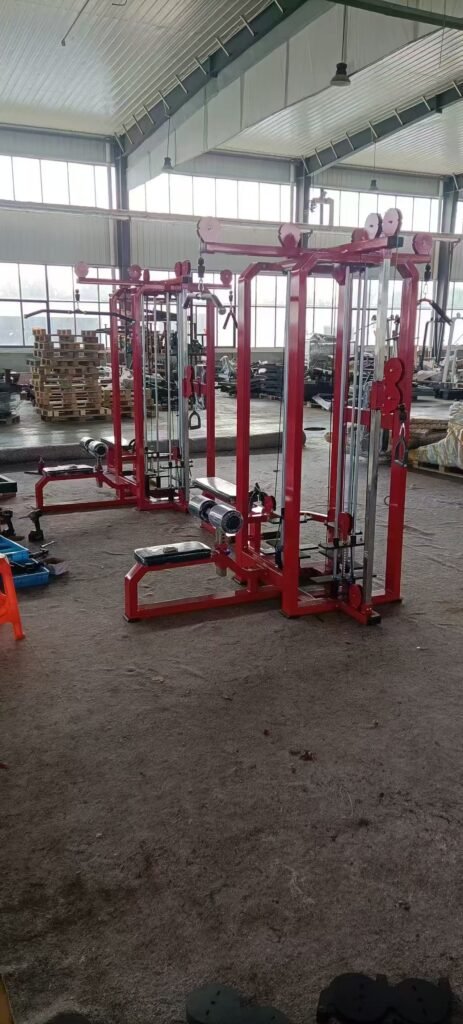
While Lifefitness and Precor are the most visible, the reality is that the majority of the equipment in your local gym (especially the pieces that don’t have a giant logo) was likely produced by a contract GYM Manufacturer based in Asia.
The Future of Sourcing: Why Direct Manufacturing Matters
In the current economic climate, gym owners are becoming more educated. They realize that the “brand” on the side of the machine doesn’t necessarily build the machine. The true value lies in the steel gauge, the welding quality, and the bearing precision.
This is where the role of the GYM Manufacturer becomes paramount. By working directly with a manufacturer, gym owners can:
-
Customize: Choose their own colors, logos, and upholstery to match their brand identity.
-
Reduce Costs: Eliminate the distributor markup, saving thousands per location.
-
Secure Supply Chains: Ensure they aren’t affected by global stockouts that plague brand-name resellers.
As a facility owner, the “brand” you see on the equipment is less important than the “brand” behind the equipment. When selecting gear for your Fitness Studio, you should look for a manufacturer that offers OEM services, allowing you to put your own label on the machines while ensuring top-tier quality.
Why Gettinglong is the Industry’s Trusted Partner
At this point, you might be wondering: Who can I trust to build this equipment?
The answer lies in finding a partner with a global footprint and a rigid commitment to quality. This is where Gettinglong excels. We are not just a factory; we are a solutions provider that bridges the gap between high cost and high quality.
Gettinglong Company Background
For many years, we have been at the forefront of the fitness equipment industry. Our state-of-the-art manufacturing facilities have always ensured production quality, while our experienced team provides unparalleled technical support. We have a proven track record of exporting products worldwide, with a strong presence in Asia, Europe and America.
Quality Control and Global Supply
Our stringent quality control process ensures that every batch of fitness equipment meets standards. We work closely with our customers to ensure timely delivery and stable pricing, positioning their needs above market trends. Our dedication to customer satisfaction is reflected in our long-term partnerships, such as our decade-long partnership with one of the largest companies in the world.
Conclusion
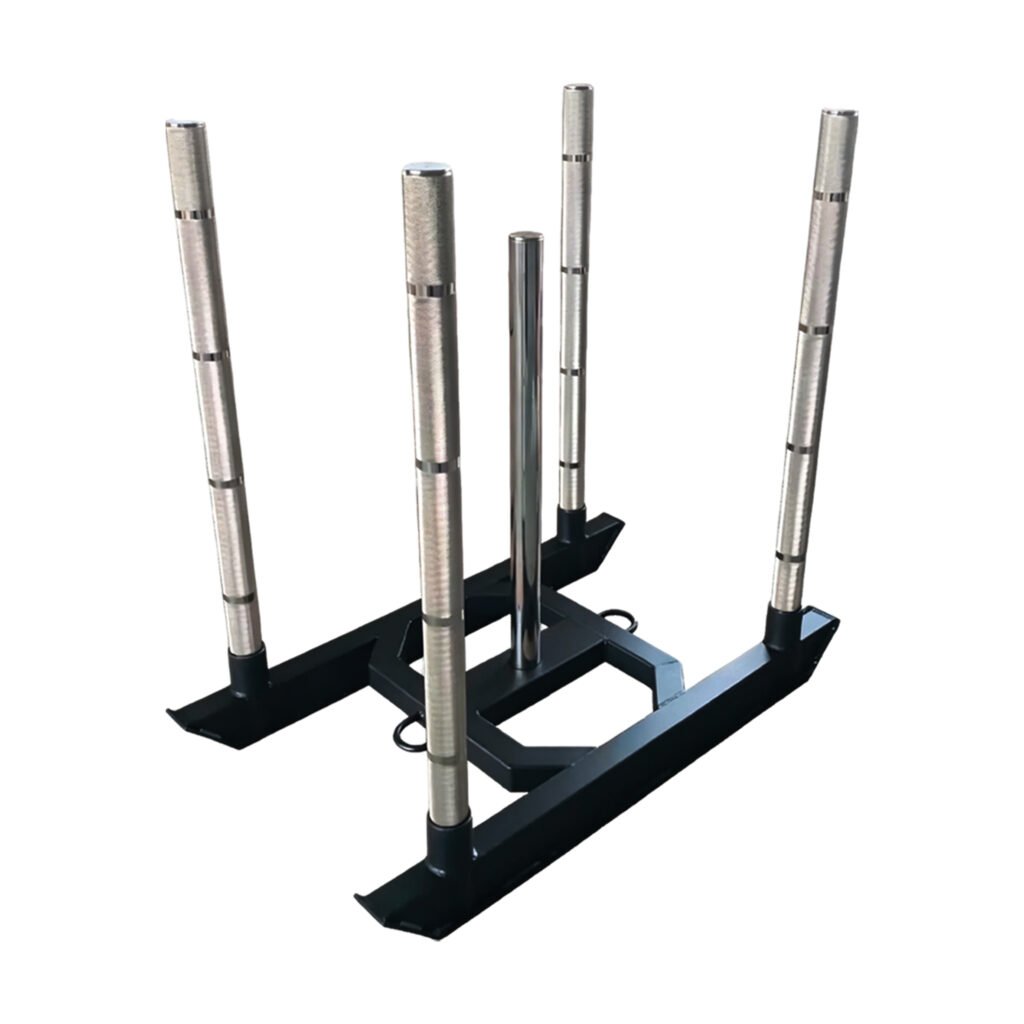
To summarize, sourcing gym equipment is a strategic decision. Most gyms get their equipment through distributors, but the smartest operators are going direct to the source to reduce costs and increase customization. A fitness equipment distributor serves as a vital middleman for logistics, but the margin they charge can be avoided if you have a reliable partner. When selecting a facility, never compromise on durability and biomechanics—these are the pillars of member retention. While brand names like Life Fitness are popular, the true backbone of the industry is the specialized GYM Manufacturer building the machines behind the scenes.
By choosing a manufacturer like Gettinglong, you aren’t just buying steel and electronics; you are investing in a partnership that values quality, time, and trust. Whether you are opening a boutique Fitness Studio or expanding a national GYM CULB, the equipment you choose defines your brand. Choose wisely, choose durable, and choose a partner that stands the test of time.


