
Introduction
The global fitness industry is booming, with millions of people flocking to GYM CULBs and Fitness Studios daily to achieve their health goals. Behind every successful workout, however, lies a complex network of manufacturing, logistics, and strategic planning. For gym owners, facility managers, and entrepreneurs looking to break into the market, understanding where equipment comes from, who supplies it, and how to choose the right facility is crucial. As a dedicated GYM Manufacturer with decades of experience, we at Gettinglong understand the intricacies of this ecosystem. This article will answer the most pressing questions about the fitness supply chain and provide actionable insights for selecting the best equipment and space for your business. Whether you are equipping a boutique Fitness Studio or a large-scale GYM CULB, the decisions you make today will define your success for years to come.
Where do most gyms get their equipment?
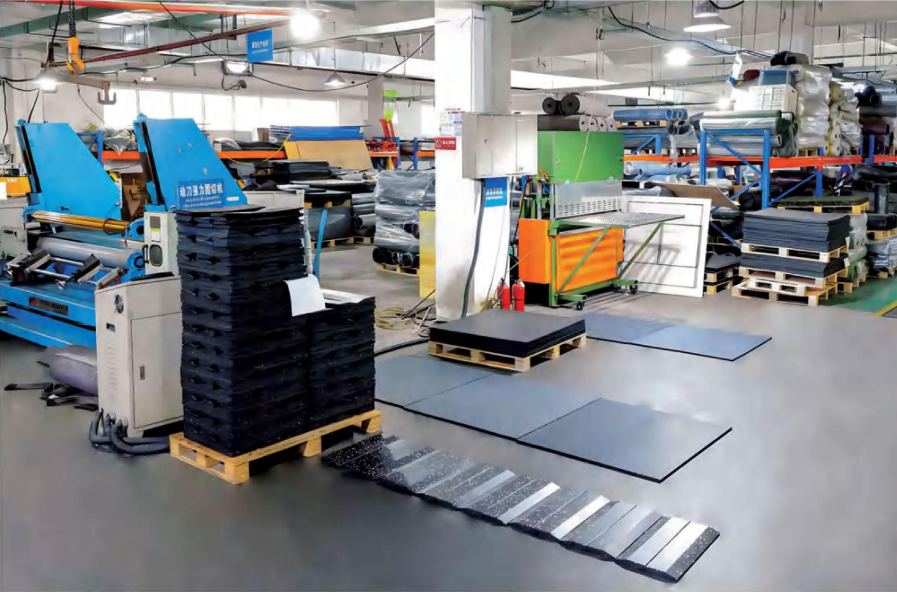
This is the foundational question for any new fitness business. The majority of commercial gyms do not buy equipment directly from factories; instead, they source their fitness equipment through a multi-tiered supply chain. Typically, equipment is acquired from three primary sources:
Direct from Manufacturers (B2B): Large franchise chains and big-box gyms often purchase directly from established GYM Manufacturers. This cuts out the middleman and allows for bulk ordering, customization, and significant cost savings. Manufacturers like Gettinglong work directly with these chains to provide tailored solutions, ensuring that the equipment matches the specific branding and functional needs of the facility. This route is preferred for high-volume purchases where consistency and quality control are paramount.
Fitness Equipment Distributors: This is the most common route for independent gyms and smaller studios. Distributors act as intermediaries who purchase large quantities from various manufacturers and sell them to end-users. They offer a one-stop-shop experience, allowing gym owners to buy treadmills from one brand, strength machines from another, and free weights from a third, all through a single invoice.
Used and Refurbished Markets: To save on upfront costs, many new gyms and Fitness Studios turn to the secondary market. While this is cost-effective, it requires careful inspection to ensure safety and durability. However, for high-traffic GYM CULBs, relying solely on used equipment often leads to higher maintenance costs and downtime.
Most gyms ultimately prefer a hybrid approach: purchasing core cardiovascular and strength machines from a reliable GYM Manufacturer or distributor, while sourcing smaller accessories from various suppliers to fill gaps in their inventory.
What is a fitness equipment distributor?
A fitness equipment distributor is a vital link in the supply chain that connects manufacturers with the end-user. They are more than just resellers; they are logistics experts, financial partners, and service providers. Here is what a distributor does:
Bulk Purchasing and Inventory: Distributors buy gym equipment in massive volumes, storing it in warehouses so that gym owners can access it quickly without waiting for overseas shipping.
Brand Aggregation: They curate a selection of products from multiple GYM Manufacturers. This allows a gym owner to compare different brands and price points in one location.
Logistics and Installation: Distributors handle the complicated logistics of shipping heavy machinery. They coordinate delivery, assembly, and often provide initial setup services for the gym equipment.
Financing: Many distributors offer leasing or financing options, making it easier for new businesses to acquire high-quality fitness equipment without a massive capital expenditure.
However, it is important to note that distributors add a markup to the manufacturer’s price. For gyms looking to maximize their budget, working directly with a GYM Manufacturer like Gettinglong often yields better pricing, especially for large orders, while still offering the technical support and quality assurance that distributors promise.
What are the two most important considerations when selecting a fitness facility?
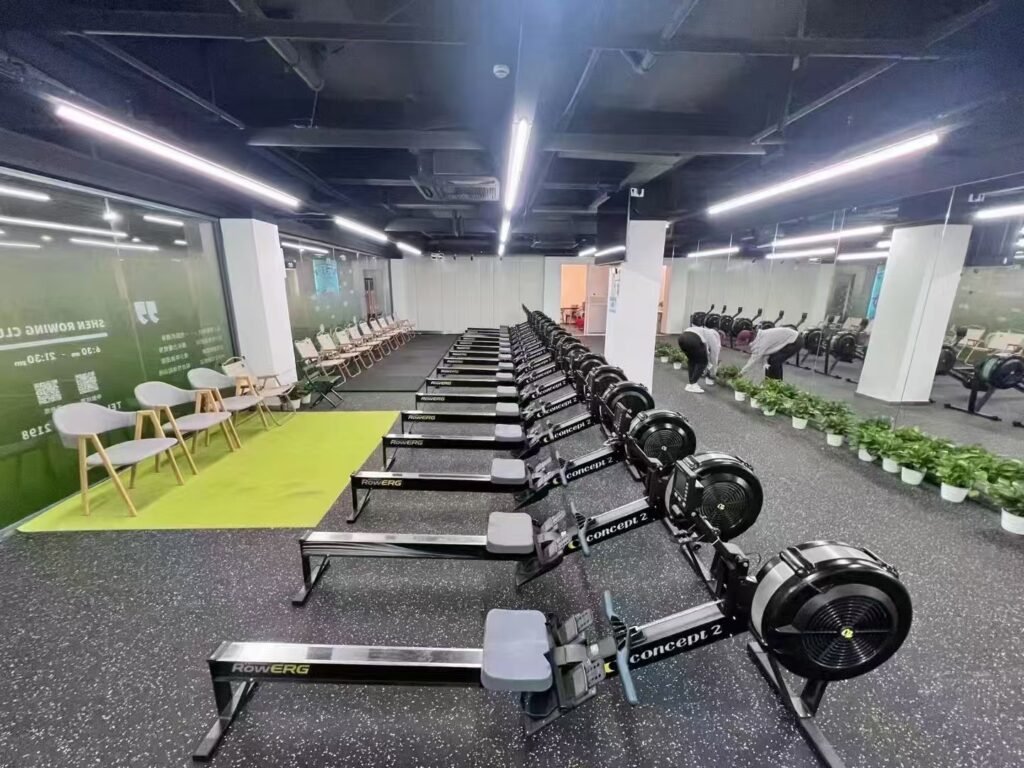
Selecting the physical space for your gym is just as important as selecting the gym equipment itself. While aesthetics and location are important, the two most critical technical considerations are Ceiling Height and Flooring/Subfloor Composition.
Ceiling Height and Clearance: This is often overlooked by new entrepreneurs. For a GYM CULB that intends to offer functional fitness, CrossFit, or Olympic weightlifting, ceiling height is non-negotiable. You need at least 12 to 14 feet of clearance to safely perform overhead presses, pull-ups, and plyometric exercises. A low ceiling not only restricts the type of fitness equipment you can install (e.g., cable crossovers, rigs) but also poses a significant safety hazard. Furthermore, adequate height improves air circulation, reducing the stuffiness that often plagues small Fitness Studios.
Flooring and Shock Absorption: The second consideration is the floor. Commercial gym equipment is heavy, and when dropped, it can cause catastrophic damage to concrete slabs. More importantly, the right flooring protects the joints of your members. You need to consider:
Impact Absorption: Rubber flooring with the correct durometer (hardness) is essential for free-weight areas.
Subfloor Condition: If the subfloor is uneven, your gym equipment will wobble, leading to premature wear on moving parts and potential injury. Many GYM Manufacturers require specific floor specifications for warranty validation.
What brand do most gyms use?
The fitness industry is not monopolized by a single brand, but there is a clear hierarchy. Most gyms use a combination of brands depending on the equipment category.
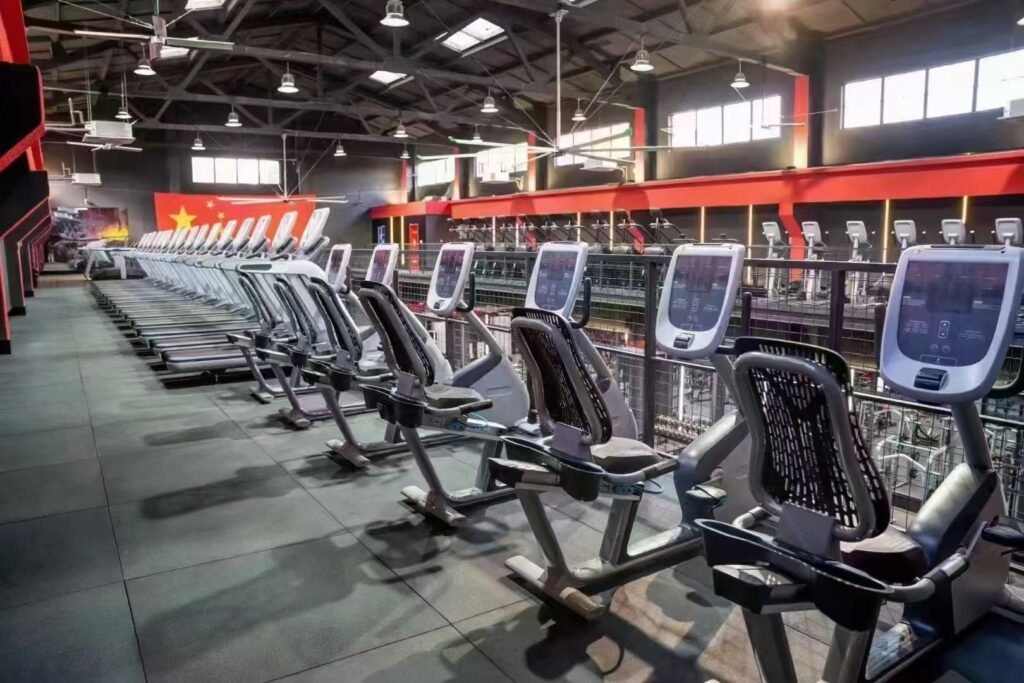
Cardiovascular Equipment: Brands like Life Fitness and Precor are the industry standard. They are known for their durability, sophisticated consoles, and biomechanical accuracy. Nearly every major hotel chain and commercial GYM CULB will feature these brands on their cardio floor.
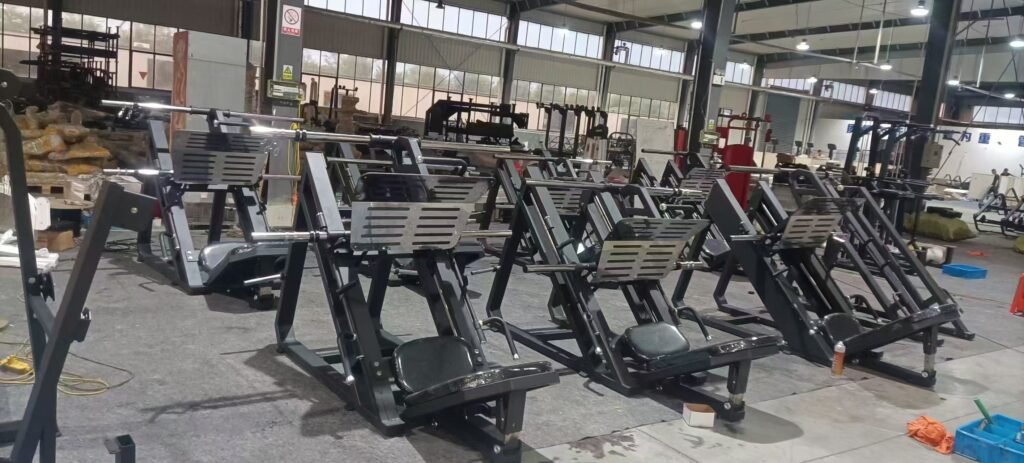
Strength Machines: Cybex, Hammer Strength, and Nautilus are heavy hitters in this category. Hammer Strength, in particular, is favored for its plate-loaded machines that mimic natural body movements.
Functional Training and Rigs: For functional fitness areas and CrossFit boxes, brands like Rogue and Eleiko are highly regarded for their durability.
The “White Label” Trend: A growing trend, however, is the rise of private labeling. Large gym chains are increasingly bypassing traditional brands to work directly with a GYM Manufacturer to produce custom-branded fitness equipment. This allows them to create a unique aesthetic and reduce costs. Gettinglong specializes in this area, providing top-tier manufacturing that rivals the “big brands” at a fraction of the cost, allowing Fitness Studios to have unique, high-quality equipment without the premium price tag.
The Gettinglong Advantage: Quality and Partnership
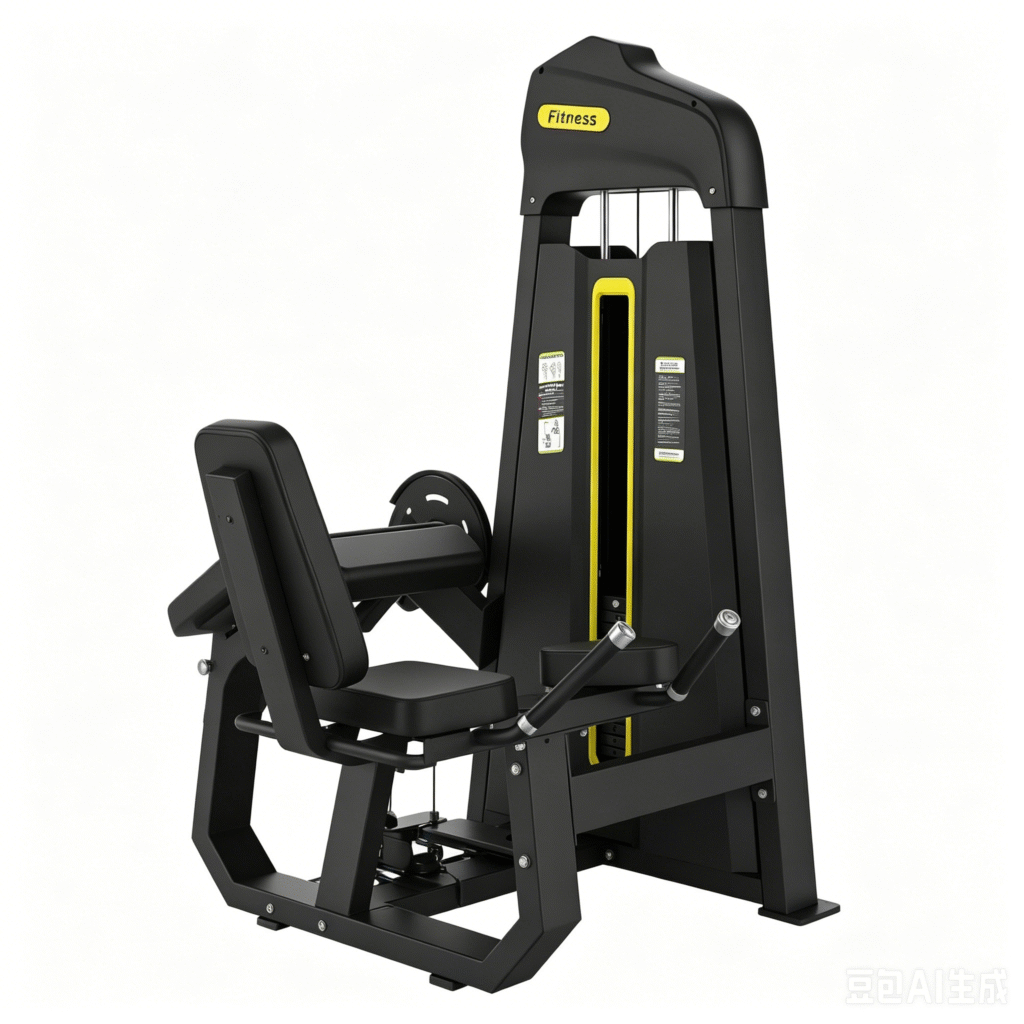
While the market is flooded with options, the decision ultimately comes down to reliability and support. At Gettinglong, we understand that purchasing gym equipment is a significant investment. Our mission is to provide Fitness Studios and GYM CULBs around the world with machinery that delivers exceptional performance and longevity. We bridge the gap between high cost and high quality, ensuring that your business has the tools it needs to succeed.
Gettinglong Company Background
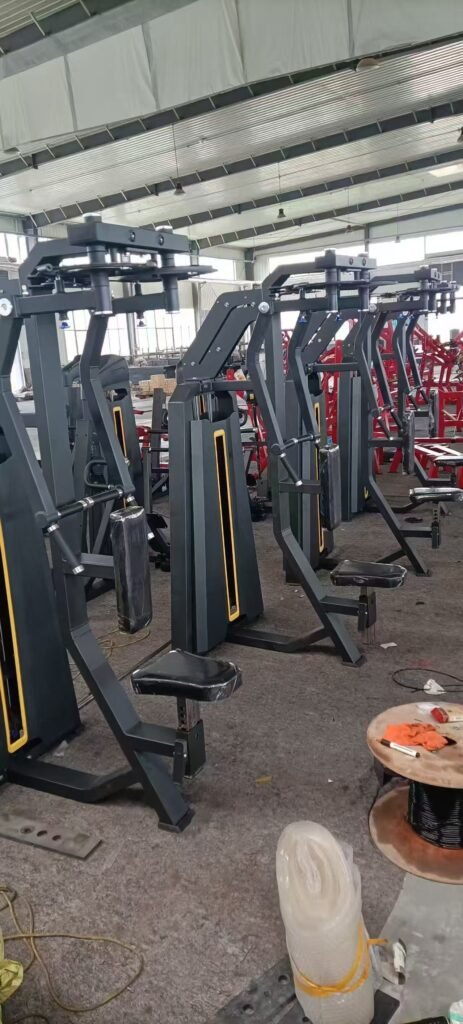
For many years, we have been at the forefront of the fitness equipment industry. Our state-of-the-art manufacturing facilities have always ensured production quality, while our experienced team provides unparalleled technical support. We have a proven track record of exporting products worldwide, with a strong presence in Asia, Europe and America.
Quality Control and Global Supply
Our stringent quality control process ensures that every batch of fitness equipment meets standards. We work closely with our customers to ensure timely delivery and stable pricing, positioning their needs above market trends. Our dedication to customer satisfaction is reflected in our long-term partnerships, such as our decade-long partnership with one of the largest companies in the world.
Conclusion: Building Your Fitness Empire
Whether you are opening a boutique Fitness Studio or a massive GYM CULB, the journey begins with understanding the supply chain. While distributors offer convenience, working with a direct GYM Manufacturer like Gettinglong offers superior value, customization, and direct technical support. Remember to prioritize ceiling height and flooring when scouting locations to ensure your space can accommodate the fitness equipment you plan to install. By making informed decisions based on quality, safety, and partnership, you can create a facility that not only attracts members but retains them for years to come. The right equipment, sourced from the right partner, is the foundation of a successful fitness business. Choose wisely, and invest in durability.


