
Opening the doors to a new Fitness Studio or a large GYM CLUB is an exciting venture. However, one of the most critical decisions you will face involves selecting the right machines and tools for your clients. From understanding the supply chain to knowing which brands deliver long-term value, this guide answers the top four questions every fitness entrepreneur should ask. We will also explore how choosing a reliable GYM Manufacturer can make the difference between constant repairs and smooth, profitable operations.
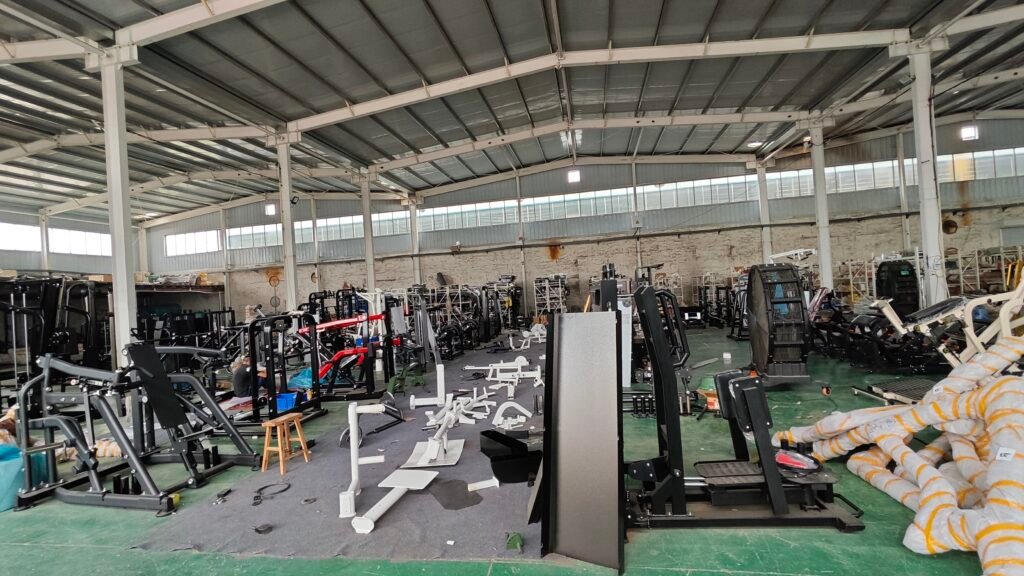
Where do most gyms get their equipment?
When you walk into a commercial gym, the rows of treadmills, strength training rigs, and free weights come from a variety of sources. Most gyms do not buy directly from a factory. Instead, they rely on a network of specialized suppliers. The majority of fitness facilities purchase their fitness equipment through one of three channels:
Direct from manufacturers – Large chains with significant buying power (e.g., Planet Fitness, Gold’s Gym) often negotiate directly with major brands like Life Fitness, Technogym, or Precor. This allows them to customize colors, software, and service packages.
Fitness equipment distributors – Small to mid-sized gyms, boutique Fitness Studio owners, and GYM CLUB operators typically buy from regional or national distributors. These distributors aggregate products from multiple gym equipment manufacturers, offering a one-stop shop for cardio, strength, and accessory items.
Used equipment dealers – Many new gyms start with refurbished gym equipment to save capital. However, this comes with risks regarding warranty and hidden wear.
That said, a growing trend among smart owners is to partner directly with a dedicated GYM Manufacturer like Gettinglong. By cutting out middlemen, you gain better pricing, direct technical support, and equipment designed for real-world abuse. Most gyms that prioritize longevity and performance are now moving toward long-term relationships with a single, reliable fitness equipment supplier rather than mixing dozens of brands.
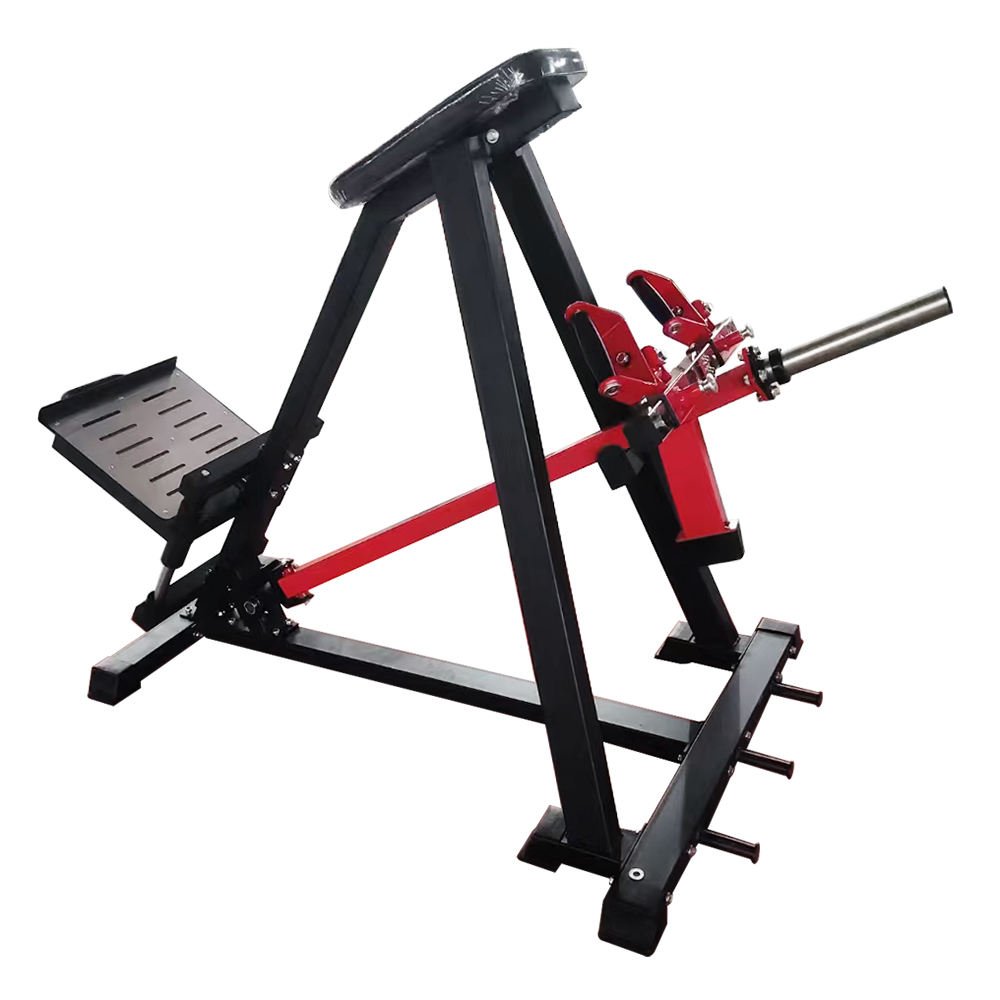
What is a fitness equipment distributor?
A fitness equipment distributor is a company that acts as an intermediary between manufacturers and end-users (gyms, hotels, schools, or home buyers). Distributors do not typically make the machines themselves. Instead, they purchase large volumes from various gym equipment factories, store inventory in warehouses, and sell to smaller businesses that cannot meet factory minimum order quantities.
Key functions of a distributor include:
Logistics and warehousing – They keep popular items in stock for quick shipping.
Sales and showrooms – Distributors allow you to test treadmills or ellipticals before buying.
Installation and maintenance – Many offer white-glove delivery and service contracts.
However, there is a trade-off. Distributors add a markup to every piece of fitness equipment, sometimes 20–40% above factory pricing. Additionally, they may not have deep expertise on every brand they carry. For a GYM CLUB owner looking to outfit 50+ stations, working directly with a GYM Manufacturer like Gettinglong often yields better results: lower cost, direct access to engineers for layout planning, and faster warranty claims. In short, a distributor is useful for small orders or emergency replacements, but for a complete gym build-out, bypassing them in favor of a manufacturer partnership is becoming the industry standard.
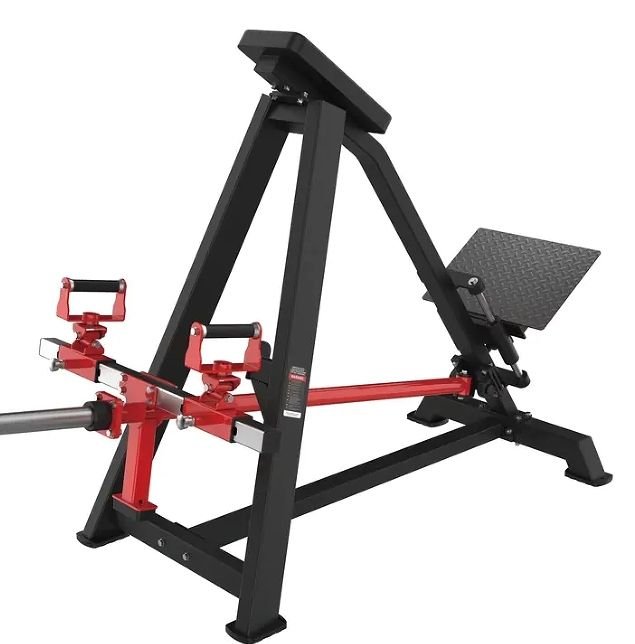
What are the two most important considerations when selecting a fitness facility?
Choosing the right physical space for your Fitness Studio or GYM CLUB goes beyond square footage and rent prices. Based on feedback from hundreds of successful gym owners and fitness equipment suppliers, two considerations consistently rise to the top:
1. Floor Load Capacity and Structural Support
Commercial gym equipment is heavy. A single selectorized machine can weigh over 500 lbs, and a full rack of dumbbells may exceed 2,000 lbs. Many new owners lease spaces that were originally retail stores or offices, only to discover that the floor cannot handle concentrated loads. Before signing any lease, hire a structural engineer to verify the floor load capacity (typically 100–150 lbs per square foot for weight areas). Also, check ceiling height – at least 12 feet is required for functional training rigs, pull-up bars, and cable crossovers. Ignoring this leads to safety hazards and expensive retrofits.
2. Proper Power and Ventilation Systems
Modern fitness equipment – especially treadmills, stair climbers, and smart strength machines – requires dedicated, grounded outlets. Voltage drops or poor wiring will damage sensitive electronics. More critically, a gym without adequate HVAC will drive away members. Each piece of gym equipment generates heat and humidity; a room full of cardio machines can raise temperatures by 10–15°F within an hour. Invest in an HVAC system rated for high occupancy and moisture control. Also plan for fresh air exchange to reduce odors and airborne bacteria. Many Fitness Studio owners who cut corners on ventilation end up replacing electronics and losing members to discomfort.
By prioritizing floor strength and climate control, you protect your fitness equipment investment and create a space where clients want to train daily.
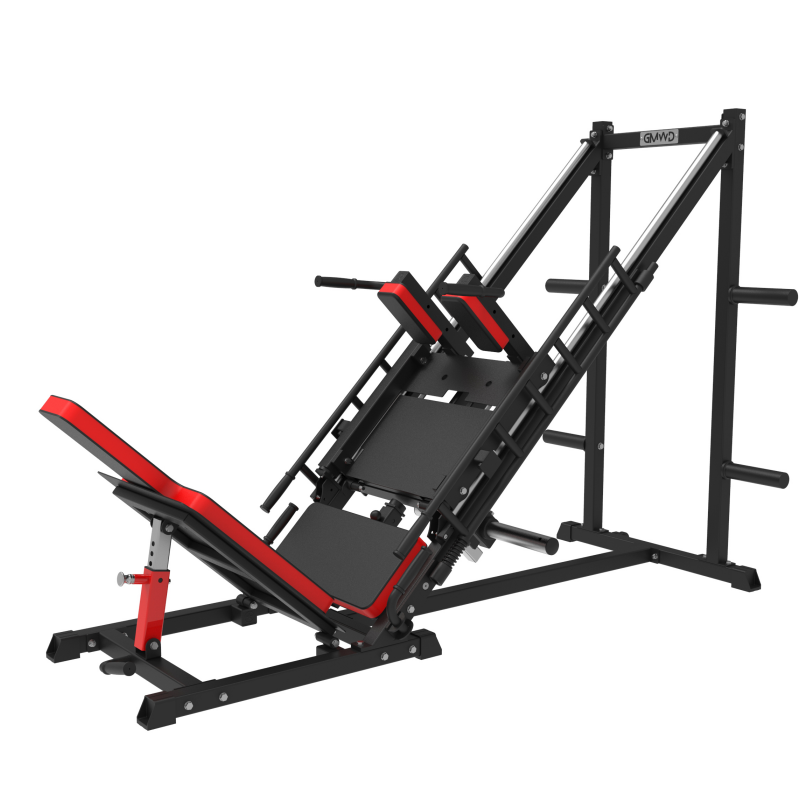
What brand do most gyms use?
This is the most common question asked by anyone opening a GYM CLUB. The answer is nuanced because “most gyms” span from budget chains to luxury hotels. However, if we look at commercial market share globally, three brands dominate: Life Fitness (including Hammer Strength), Technogym, and Precor. These brands are found in about 70% of commercial gyms in North America and Europe. They are known for durability, parts availability, and service networks.
But here is the insider secret: While these big brands are reliable, they are also extremely expensive – often 2–3 times the price of comparable gym equipment from specialized manufacturers. Many savvy GYM CLUB and Fitness Studio owners are now turning to manufacturers like Gettinglong for a simple reason: comparable quality at a fraction of the cost. Gettinglong produces fitness equipment that meets or exceeds ASTM and EN957 safety standards, using the same grade of steel, bearings, and upholstery as the big names. The difference? No inflated marketing budgets or legacy dealer networks.
For example, a commercial-grade treadmill from a top-tier brand might cost $6,000–$8,000. A directly sourced equivalent from a trusted GYM Manufacturer like Gettinglong often retails for $3,500–$4,500 with the same motor horsepower, belt width, and warranty. Additionally, because Gettinglong works directly with gym owners, they offer customized color schemes, logo placement, and integrated tablet holders – something the big brands reserve for huge orders. So, while most gyms historically use Life Fitness or Technogym, a fast-growing segment of profitable, modern Fitness Studio and GYM CLUB owners are switching to Gettinglong for better value and personalized service.
Why Partnering with the Right GYM Manufacturer Matters
Beyond answering the four core questions, it is essential to understand that the relationship with your gym equipment supplier is a long-term partnership. A cheap machine that breaks down every two months will cost you more in lost member satisfaction and repair fees than a well-built unit with a 10-year frame warranty. That is why we recommend evaluating manufacturers not just on price, but on their quality control processes, global supply chain stability, and after-sales technical support.
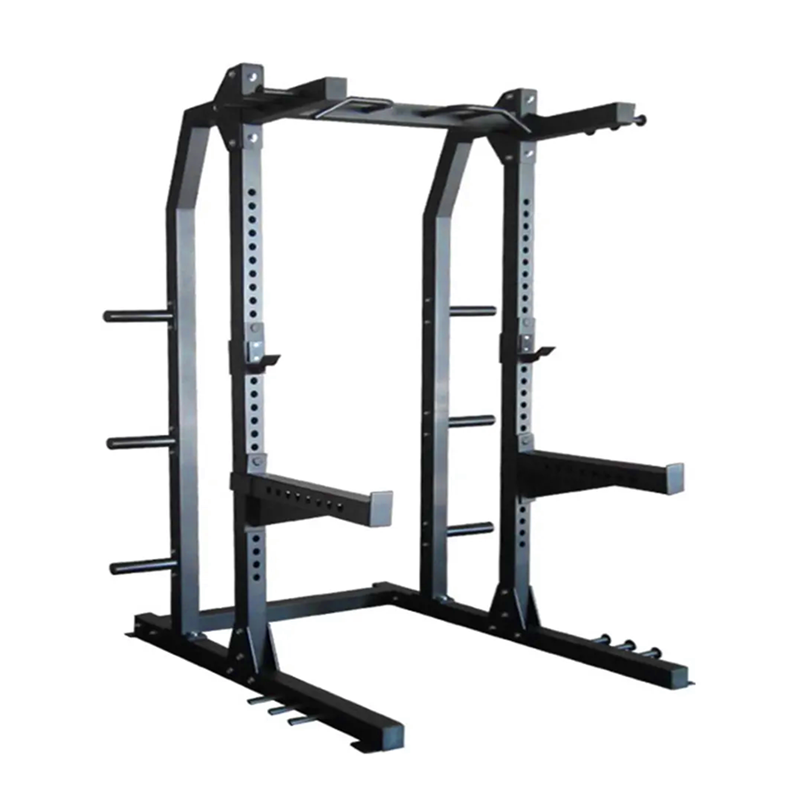
About Gettinglong: Your Trusted Fitness Equipment Partner
At Gettinglong, we are not just another GYM Manufacturer – we are a partner dedicated to your success. Below is a closer look at our company background and the rigorous standards that define every piece of fitness equipment we ship.
Gettinglong Company Background
For many years, we have been at the forefront of the fitness equipment industry. Our state-of-the-art manufacturing facilities have always ensured production quality, while our experienced team provides unparalleled technical support. We have a proven track record of exporting products worldwide, with a strong presence in Asia, Europe and America. Whether you are opening a boutique Fitness Studio or a large-scale GYM CLUB, Gettinglong delivers gym equipment that balances commercial durability with attractive design.
Quality Control and Global Supply
Our stringent quality control process ensures that every batch of fitness equipment meets standards. We work closely with our customers to ensure timely delivery and stable pricing, positioning their needs above market trends. Our dedication to customer satisfaction is reflected in our long-term partnerships, such as our decade-long partnership with one of the largest companies in the world. When you choose Gettinglong as your GYM Manufacturer, you gain a supply chain that never compromises on safety or performance.
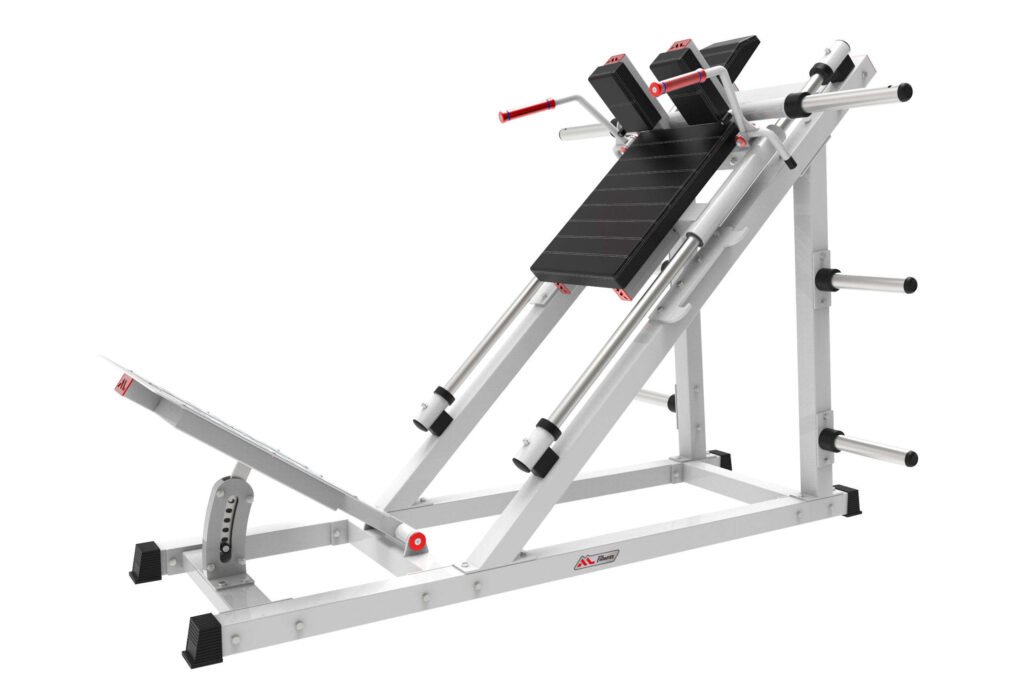
Conclusion
To summarize: Most gyms get their equipment from manufacturers, distributors, or used dealers – but the smartest owners now go direct to a proven GYM Manufacturer. A fitness equipment distributor is a middleman that adds cost, not value, for large orders. The two most important facility considerations are floor load capacity and HVAC. And while big brands dominate current market share, a new generation of successful gym owners is switching to Gettinglong for better pricing, direct support, and made-to-order gym equipment.
Ready to outfit your Fitness Studio or GYM CLUB with reliable, commercial-grade fitness equipment? Contact Gettinglong today. From layout design to delivery and installation, our team ensures you get the best value without sacrificing quality. Your members will feel the difference – and so will your bottom line.


