
Opening the doors to a new GYM CULB or upgrading a Fitness Studio is an exciting venture. However, one of the most daunting challenges for any entrepreneur is sourcing the physical tools of the trade. Where do the machines come from? Who do you trust? And what really matters when you are spending your capital?
In this article, we will answer the most common questions asked by fitness entrepreneurs. Whether you are opening a small boutique studio or a large commercial GYM CULB, understanding the supply chain of fitness equipment is critical to your success. We will explore the role of distributors, the most trusted brands, and the two non-negotiable factors you must consider before signing any purchase order.
Where do most gyms get their equipment?
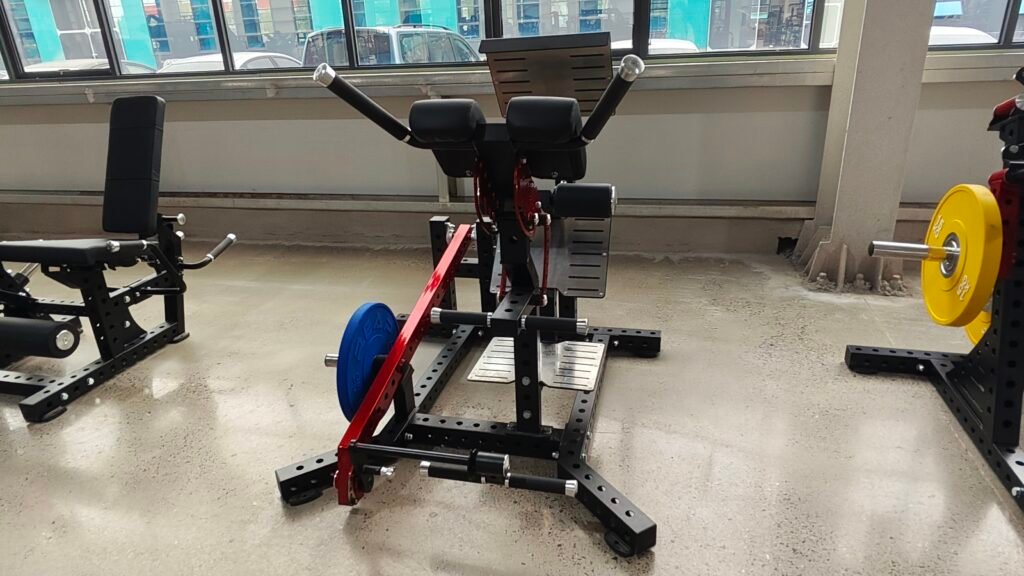
Most commercial gyms do not simply walk into a retail store and buy treadmills off the shelf. Instead, they rely on a complex but efficient supply chain. The vast majority of gym equipment comes directly from specialized GYM Manufacturer companies or authorized regional distributors.
There are three primary sources:
Direct from Manufacturers (B2B Wholesale): Large franchise chains and high-volume GYM CULB operators often purchase directly from factories. This cuts out the middleman, allowing them to save 20-40% on large orders. Manufacturers like Gettinglong specialize in direct container shipping to warehouses.
Fitness Equipment Distributors: Mid-sized gyms and local Fitness Studio owners frequently buy from distributors. These companies buy massive quantities from multiple manufacturers and store them in local warehouses, allowing for faster shipping (days instead of weeks).
Used/Refurbished Markets: Many budget gyms start with second-hand equipment. However, this often leads to higher maintenance costs and liability issues due to a lack of warranty.
It is worth noting that the trend is shifting toward direct sourcing. With the rise of global trade, more GYM CULB owners are realizing they can get commercial-grade fitness equipment at a fraction of the retail price by partnering directly with an experienced GYM Manufacturer.
What is a fitness equipment distributor?
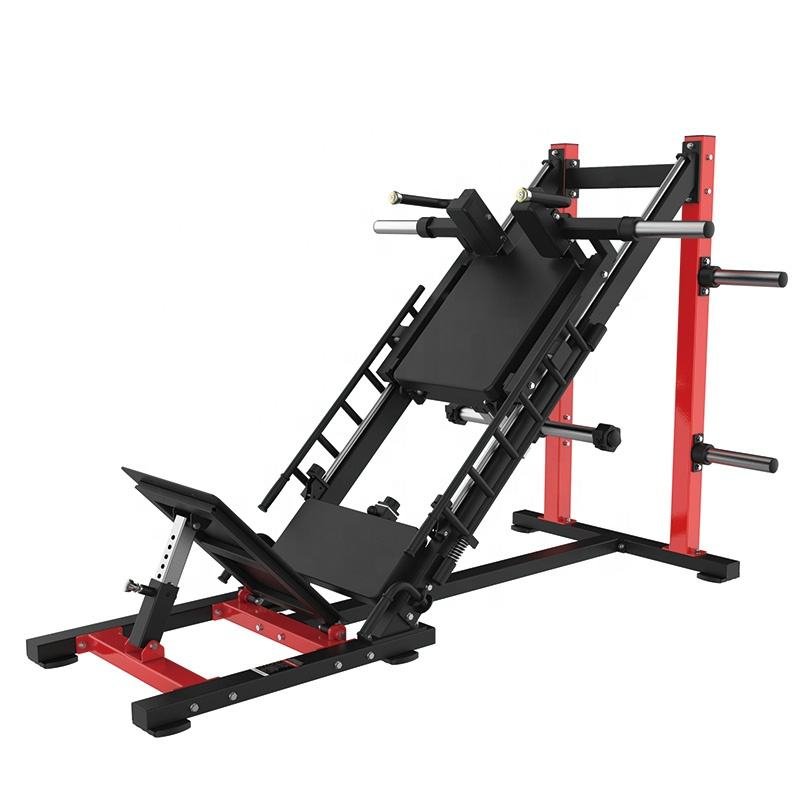
A fitness equipment distributor is an intermediary entity that acts as the bridge between the factory and the end-user. They buy gym equipment in massive bulk (often hundreds of units at a time) from various manufacturers, store them in regional warehouses, and then sell smaller quantities to local gyms.
Key functions of a distributor:
Logistics & Storage: They keep inventory locally so you don’t have to wait 6 weeks for a boat to arrive from overseas.
Assembly & Installation: Most distributors offer white-glove delivery services.
Financing: They often provide leasing options for Fitness Studio owners who cannot pay 100% upfront.
The Trade-off: While distributors offer convenience, they add a significant markup (usually 30-50%) to cover their overhead. For a GYM CULB buying 20+ machines, that markup could equal the cost of several additional units. Many savvy business owners now bypass distributors and go straight to the source—a reliable GYM Manufacturer—to maximize their ROI.
What are the two most important considerations when selecting a fitness facility?
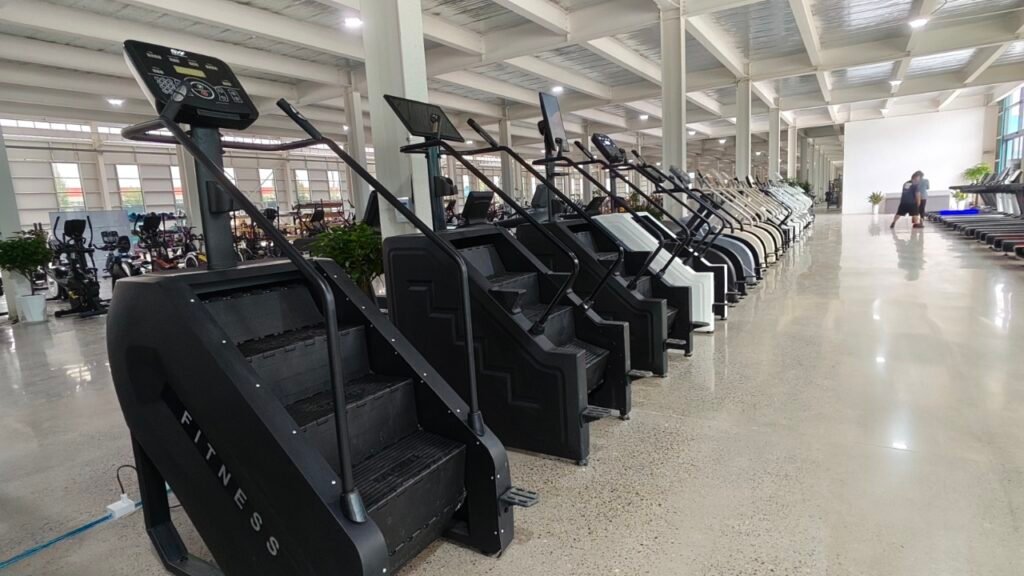
When selecting a physical location for your Fitness Studio or GYM CULB, most new owners focus on rent price or square footage. However, they often overlook the two most critical operational considerations that will determine if your fitness equipment survives its first year.
1. Structural Load Capacity (Flooring & Weight Limits)
gym equipment is heavy. A single commercial treadmill can weigh 400 lbs, and a rack of dumbbells can exceed 2,000 lbs. Before signing a lease, you must verify the floor load rating (measured in PSF – Pounds per Square Foot) of the building.
Ground floor slabs (concrete on grade) are usually fine.
Upper floors (in shopping centers or office buildings) often require structural reinforcement. If you place heavy selectorized machines on a second floor without checking, you risk cracking the foundation or, worse, a safety violation.
2. Delivery Access (Door Width & Elevators)
This sounds trivial, but it destroys timelines. A commercial treadmill or elliptical comes in a crate that is often 55 inches tall and 35 inches wide.
Question to ask: Can a semi-truck park within 50 feet of your door?
The elevator test: If your GYM CULB is upstairs, does the elevator door open wider than 36 inches? If not, your fitness equipment is not getting in. Many distributors charge restocking fees of 25% if they arrive and cannot deliver due to access issues.
What brand do most gyms use?
The “most used” brand varies by geography and budget. Globally, large commercial chains (like Gold’s Gym or Equinox) use premium American or European brands such as Life Fitness, Precor, or Technogym. However, price-to-performance ratio is changing the market.
If we look at quantity (the sheer number of machines sold to independent GYM CULB and budget-friendly Fitness Studio locations), the answer is high-quality Asian manufacturers. Specifically, brands that offer commercial durability at wholesale prices.
Most successful mid-tier gyms are moving away from paying a premium just for a logo on the side of the gym equipment. Instead, they are turning to OEM (Original Equipment Manufacturer) partners like Gettinglong. Why? Because these manufacturers produce the same quality levels as the big brands (many Western brands actually manufacture their parts in Asia) but sell directly to the gym owner, removing the $2,000 “brand tax” per machine.
Why Direct Sourcing is the Future for GYM CULBS
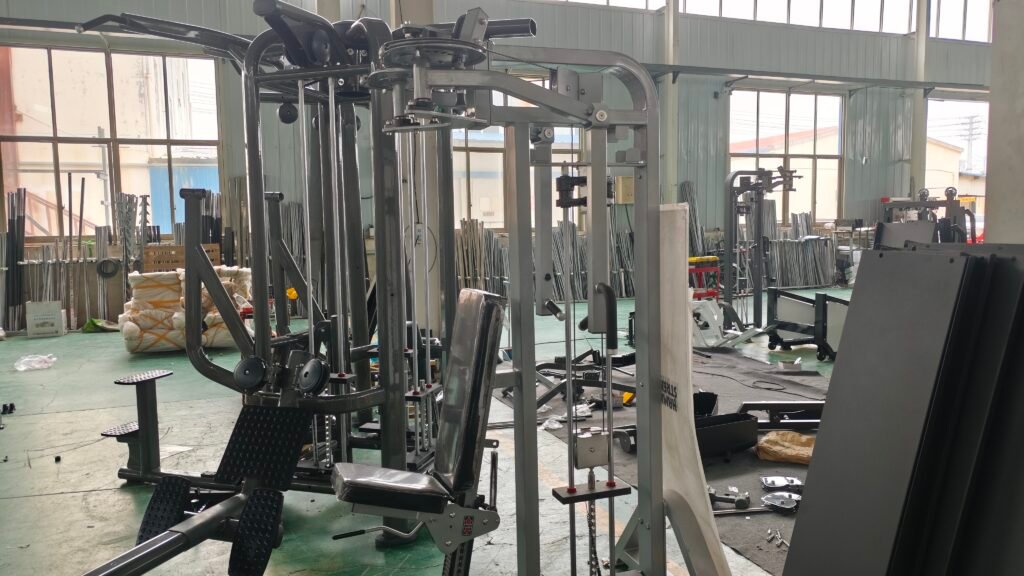
To survive in a competitive market, your Fitness Studio or GYM CULB needs fitness equipment that is durable, serviceable, and affordable. The old model of buying from a local distributor with a huge markup is fading. Today, smart owners log onto B2B platforms to vet GYM Manufacturer partners directly.
This is where our company excels.
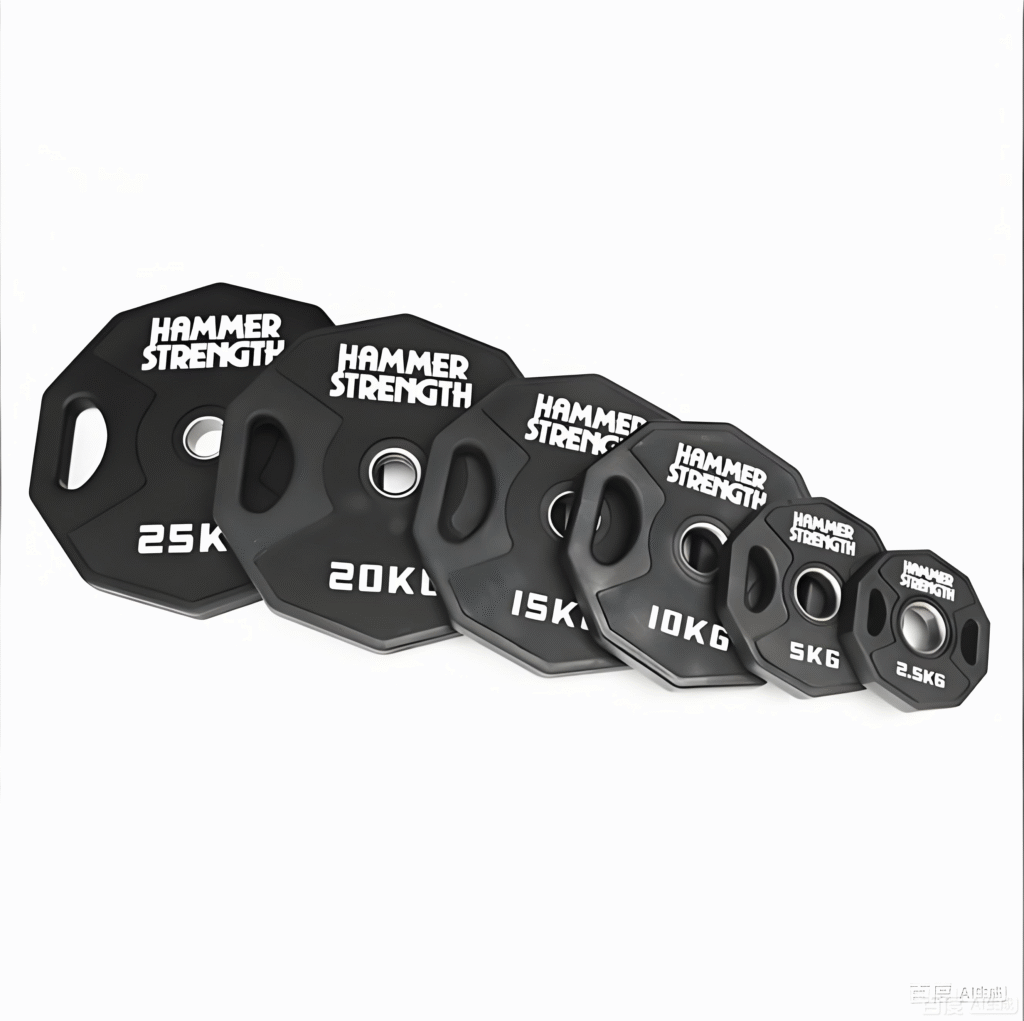
Gettinglong Company Background
For many years, we have been at the forefront of the fitness equipment industry. Our state-of-the-art manufacturing facilities have always ensured production quality, while our experienced team provides unparalleled technical support. We have a proven track record of exporting products worldwide, with a strong presence in Asia, Europe and America.
Quality Control and Global Supply
Our stringent quality control process ensures that every batch of fitness equipment meets standards. We work closely with our customers to ensure timely delivery and stable pricing, positioning their needs above market trends. Our dedication to customer satisfaction is reflected in our long-term partnerships, such as our decade-long partnership with one of the largest companies in the world.
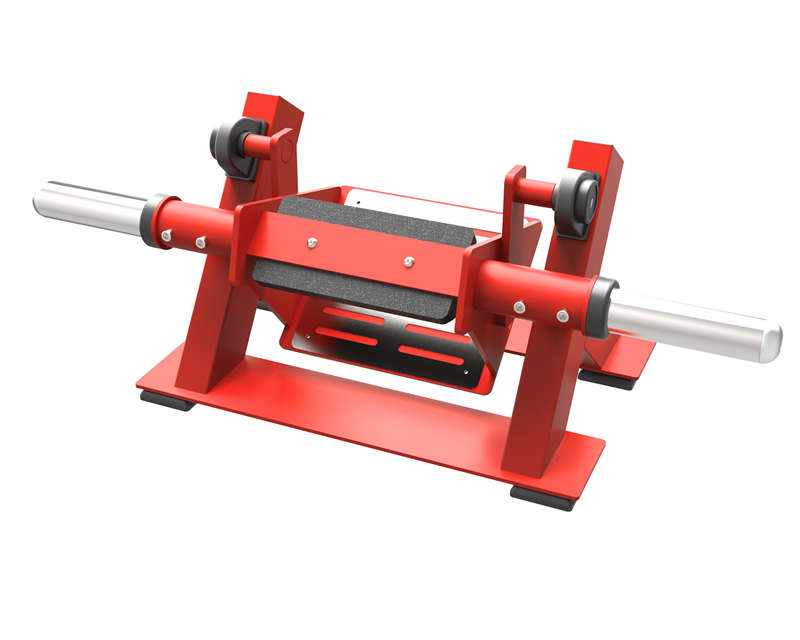
Conclusion
When opening a GYM CULB or Fitness Studio, remember the answers to these four questions:
Sourcing: Most gyms get their gym equipment from manufacturers or distributors.
Distributor Role: They add value in logistics but cost you markup.
Critical Factors: Always check floor load capacity and delivery access.
The Brand: While names vary, the smartest buyers choose a verified GYM Manufacturer like Gettinglong for the best balance of quality and cost.
Don’t overpay for logistics fees and brand stickers. Contact Gettinglong today to see how our direct supply chain can outfit your entire GYM CULB with commercial-grade fitness equipment at wholesale factory prices.


