
Introduction
The global fitness industry is experiencing unprecedented growth, with millions of people embracing regular exercise as an essential part of their daily lives. Behind every successful gym, boutique training facility, or corporate wellness center lies a complex supply chain that ensures equipment availability, quality, and continuous operation. For gym owners, facility managers, and entrepreneurs preparing to enter the fitness industry, understanding where equipment comes from, who supplies it, and how to select the right products often determines whether a business can truly establish a stable foothold. This article starts from the source of equipment procurement and systematically answers the core questions in the industry, helping you make informed decisions in your fitness equipment investment.
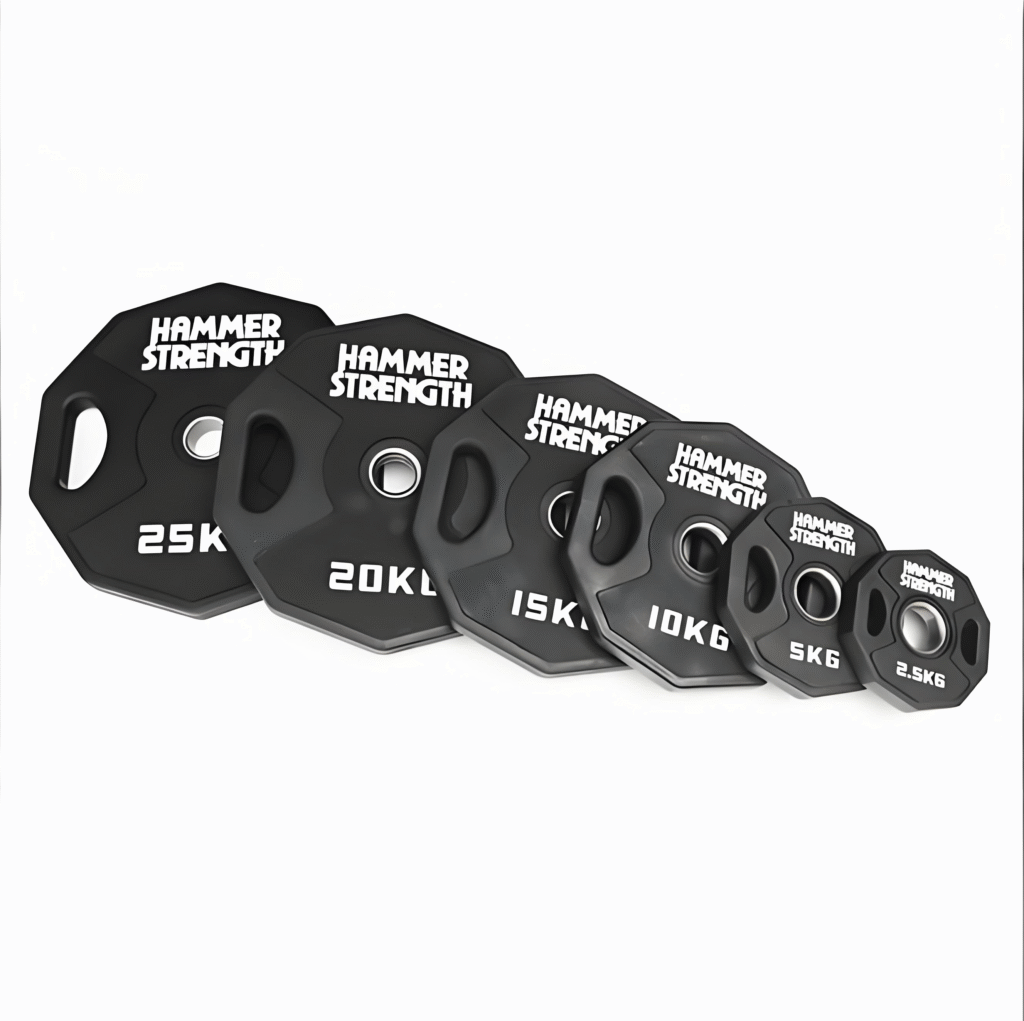
Where Do Most Gyms Get Their Equipment?
Understanding the procurement channels for fitness equipment is the first step into the commercial fitness industry. The vast majority of gyms acquire their equipment through three primary avenues: direct purchases from manufacturers, purchases through fitness equipment distributors, and acquisitions from used and refurbished equipment dealers.
Direct manufacturer partnerships are the preferred approach for large chain gyms and franchise brands. By eliminating intermediaries, these large-volume buyers can secure more favorable pricing and establish in-depth relationships with GYM Manufacturer companies, even customizing equipment appearance and functional configurations as needed. However, this approach typically requires high minimum order quantities, and the gym itself must have the internal capacity to manage logistics, installation, and ongoing maintenance.
Fitness equipment distributors serve as the essential bridge connecting manufacturers with end-user gyms. Distributors typically represent multiple brands, maintain substantial inventory, and can offer flexible procurement solutions for gyms of different sizes and budgets. More importantly, professional distributors do more than just sell equipment—they provide supporting services including facility planning, installation and commissioning, after-sales maintenance, and staff training. For most small and medium-sized gyms and independent studios, distributors offer the most practical and worry-free choice.
The used and refurbished equipment market has become increasingly sophisticated in recent years. Many newly established gyms prioritize professionally refurbished commercial-grade equipment to control initial investment, gradually upgrading as their operations stabilize. Reputable refurbishers conduct comprehensive performance testing, cosmetic restoration, and electronic system updates, often providing warranties for a certain period.
Additionally, online trading platforms and auction channels offer more procurement possibilities, though when sourcing through these channels, buyers must carefully verify equipment age, maintenance records, and actual condition.
In summary, successfully operated gyms typically establish diversified procurement channels—core cardio equipment sourced directly through brand partnerships, strength equipment procured through distributors for mix-and-match flexibility, and auxiliary or supplemental equipment sometimes sourced from the secondary market. This combination strategy ensures quality while flexibly controlling costs.
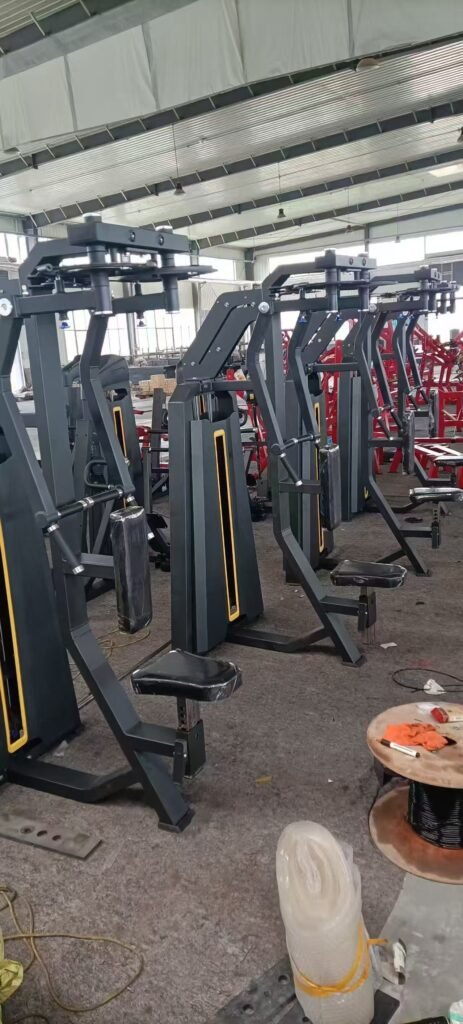
What Is a Fitness Equipment Distributor?
To fully understand the operational model of the commercial fitness equipment industry, one must clearly recognize the role of a fitness equipment distributor. Distributors are by no means simple “middlemen taking a cut”—they are indispensable professional service partners connecting manufacturers and end-users.
A fitness equipment distributor is a professional service provider that purchases gym equipment in bulk from multiple GYM Manufacturer companies and sells it to commercial facilities including gyms, Fitness Studio locations, GYM CLUB operations, hotels, corporate wellness centers, university sports facilities, and more. The value they deliver extends far beyond the equipment itself, encompassing the following core functions:
Facility planning and equipment configuration consultation
Professional distributors employ experienced facility designers who evaluate space dimensions, member demographics, peak usage periods, and business objectives to recommend the most reasonable equipment mix and layout solutions. A 200-square-meter boutique studio and a 2,000-square-meter comprehensive club require completely different equipment types, quantities, and placement logic. The distributor’s planning expertise directly impacts member experience and space utilization efficiency in subsequent operations.Professional installation and commissioning services
Commercial fitness equipment is typically transported in component form, requiring professional assembly, anchoring, calibration, and testing. Improper installation not only leads to premature equipment wear but also creates safety hazards and may even void manufacturer warranties. Distributor installation teams receive brand-specific training to ensure every piece of equipment operates at optimal performance.Ongoing maintenance and emergency repair support
Equipment breakdowns are among the most troublesome issues in gym operations. Professional distributors offer preventive maintenance plans, rapid-response repair services, adequate spare parts inventory, and technical team training. For high-usage cardio equipment, minimizing downtime directly impacts member experience and revenue.Spare parts supply and inventory management
Distributors maintain substantial inventories of commonly used spare parts for the brands they represent, eliminating the need to wait for parts shipments from overseas manufacturers and significantly shortening repair cycles. This is critically important for ensuring high availability of gym equipment.Warranty claims handling
When quality issues arise under warranty, distributors manage all communications with manufacturers, claims submissions, and repair or replacement arrangements, saving gym operators significant communication time and administrative effort.Flexible procurement and financing solutions
Many distributors offer equipment leasing, installment payment plans, seasonal payment arrangements, and trade-in programs, reducing the capital pressure gyms face when purchasing quality equipment.Industry trend and product update communication
The fitness equipment industry evolves rapidly with technological advances. Distributors regularly update clients on new features, emerging trends, and upgrade opportunities, helping gyms maintain competitiveness.
In short, a trustworthy fitness equipment distributor serves as a full-lifecycle equipment partner—from pre-purchase planning, through installation and daily use, to years of maintenance and eventual replacement, accompanying the gym throughout its growth journey.
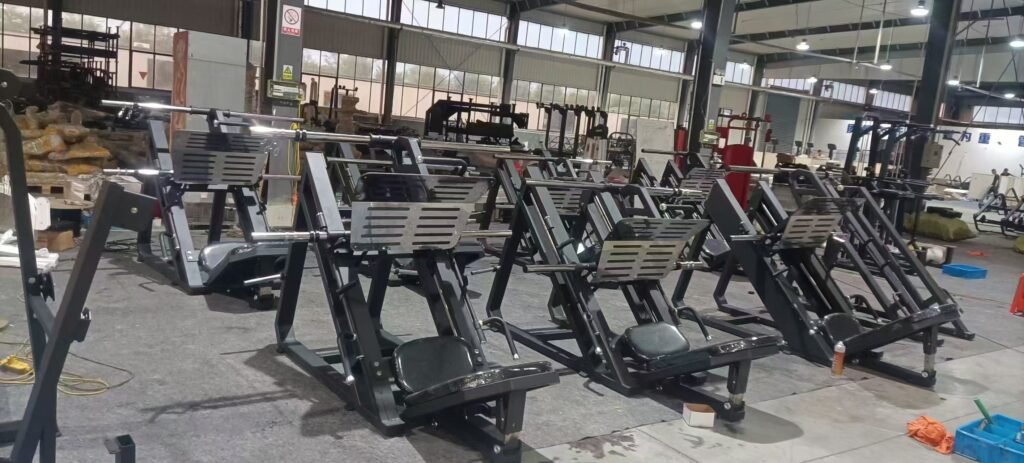
What Are the Two Most Important Considerations When Selecting a Fitness Facility?
When selecting fitness equipment for a Fitness Studio, GYM CLUB, or corporate wellness center, operators must weigh numerous factors. However, industry experts consistently identify two core considerations as the highest priority: equipment quality and durability and member experience and traffic flow design.
Equipment Quality and Durability
Commercial fitness equipment operates under usage intensity far exceeding that of residential equipment. A treadmill in a busy GYM CLUB may run 8 to 10 hours continuously each day, 7 days a week, accumulating over 3,000 hours of operation annually. Under these extreme working conditions, equipment durability is not just about performance—it directly determines safety, operational costs, and return on investment.
High-quality commercial equipment should possess the following characteristics:
Industrial-grade materials: Thicker steel, high-strength welding, and heavy-duty components capable of withstanding long-term high-load use without structural deformation or fatigue fracture.
Precision mechanical systems: Smooth motion paths, precise resistance adjustment mechanisms, and ergonomic designs that both reduce injury risk and enhance user comfort.
Service-friendly design: Logically arranged components and easily accessible parts that enable technicians to quickly diagnose and repair faults, minimizing equipment downtime.
Comprehensive commercial warranty coverage: Quality brands typically offer 5-10 year frame warranties, 3-5 year parts warranties, and 1-3 year labor warranties, directly reflecting manufacturer confidence in product durability.
For GYM Manufacturer companies, quality control is a non-negotiable baseline. As industry-leading manufacturers insist: every batch of fitness equipment shipped must undergo rigorous quality inspection processes to ensure full compliance with commercial standards.
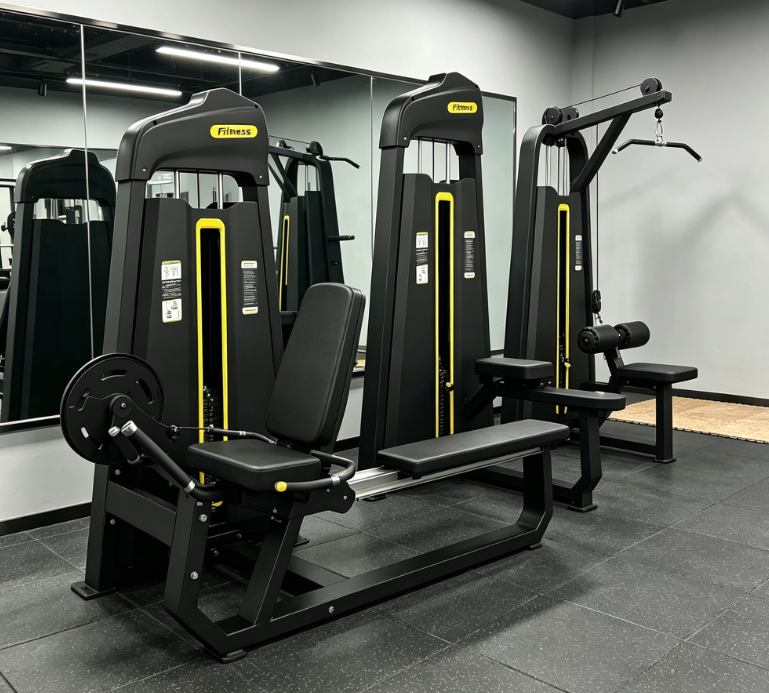
Member Experience and Traffic Flow Design
The second core factor—member experience—encompasses equipment layout, spatial flow, environmental ambiance, and overall comfort. Even with top-tier gym equipment, if members feel cramped, experience long wait times, or navigate confusing layouts, the finest equipment cannot translate into member satisfaction and retention.
Optimizing member experience requires attention to the following:
Functional zoning: Reasonably separate cardio areas, strength machine zones, free weight sections, functional training spaces, and stretching/relaxation areas to avoid cross-traffic and mutual interference.
Equipment spacing and safety clearances: Maintain sufficient safe distances between equipment to ensure members can perform exercises with full range of motion, while also allowing staff patrol access and emergency passage.
Equipment density and capacity matching: Configure appropriate equipment quantities based on peak-hour member counts, balancing the need to avoid wait-time complaints against the risk of underutilized space from excessive equipment.
Sightline management: Maintain clear staff visibility across all equipment areas to enable timely guidance and emergency response.
Accessibility and inclusive design: Accommodate members of different ages, physical conditions, and training levels by selecting equipment suitable for diverse user populations.
Style consistency and brand alignment: Equipment colors, shapes, and overall environmental aesthetics should be consistent, reinforcing the gym’s brand image and conveying professionalism and comfort to members.
Successful facility selection always integrates equipment quality and member experience as a unified consideration. A boutique Fitness Studio might prioritize equipment specialization and unique spatial atmosphere, while a large GYM CLUB emphasizes equipment variety and peak-hour throughput capacity. Regardless of positioning, decisions made around these two core factors directly impact market competitiveness and long-term profitability.
What Brand Do Most Gyms Use?
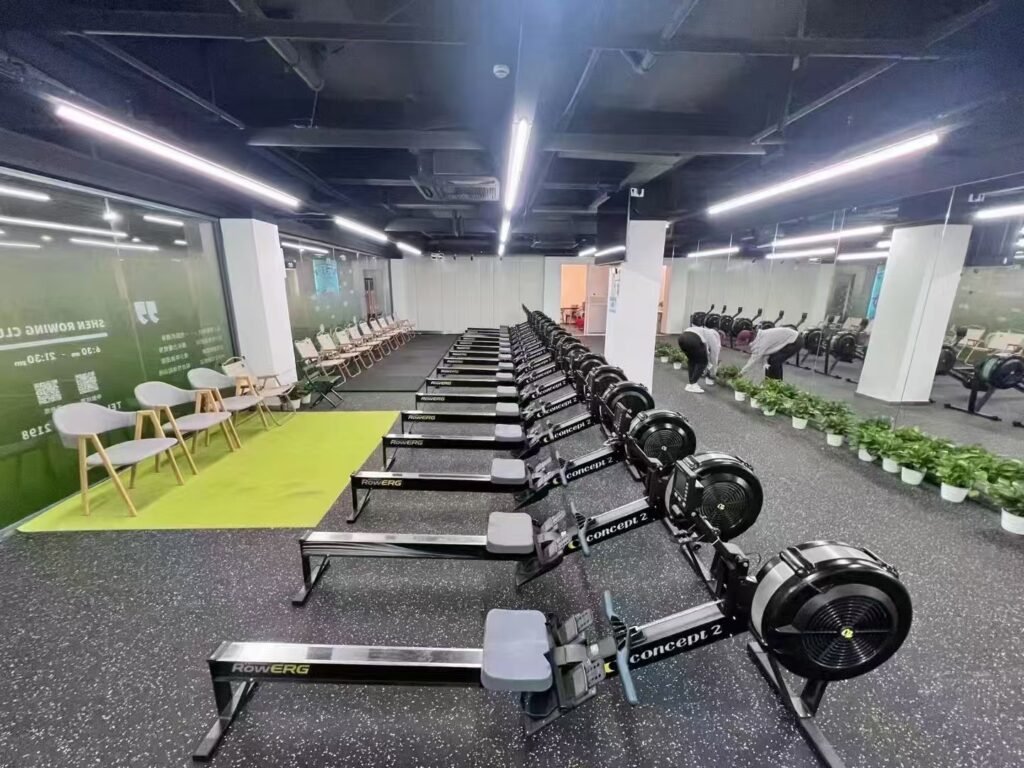
In the commercial fitness equipment market, several major brands have established prominent positions through long-term reputation accumulation and technological strength. While no single brand dominates all market segments, different brands have indeed formed their respective areas of advantage across different facility types.
Life Fitness has the highest brand recognition in the global commercial fitness market, particularly dominating the cardio equipment segment. Its treadmills, ellipticals, exercise bikes, and stair climbers are widely found in hotel gyms, corporate wellness centers, traditional fitness clubs, and university sports facilities. The brand’s exceptional reliability, extensive service network, and consistent performance make it the preferred choice for many facility operators.
Precor holds significant market share in mid-to-upper-tier facilities, particularly renowned for its smooth elliptical motion and ergonomic design. Many high-end GYM CLUB locations and boutique Fitness Studio environments favor Precor for its elegant appearance, comfortable user experience, and the premium perception the brand conveys.
Technogym has established itself as the benchmark in ultra-premium facilities, boutique training studios, and luxury hotel spas. Its Italian design aesthetic, innovative technology integration, and comprehensive wellness ecosystem particularly appeal to fitness venues positioning themselves at the high end of the market.
Hammer Strength (owned by Life Fitness) dominates the plate-loaded strength training equipment segment. Professional strength training facilities, athletic performance centers, and university sports training bases almost universally incorporate Hammer Strength equipment, with its robust construction, biomechanically sound design, and professional brand image earning deep recognition from strength training enthusiasts.
Matrix Fitness has experienced rapid growth in recent years, attracting a large number of mid-market clients, franchise brands, and emerging gym chains with competitive pricing and modern design. Its commercial-grade equipment delivers outstanding value for money.
Cybex (now owned by Life Fitness) maintains strong influence in rehabilitation medical settings and mid-to-upper-tier commercial facilities. Its research-based structural design and superior safety features make it an ideal choice for fitness venues serving diverse populations.
Star Trac enjoys popularity in cost-sensitive commercial scenarios and certain franchise operations.
Nautilus still holds a certain share in mid-market segments, particularly in selectorized strength equipment.
However, it must be emphasized that the vast majority of gyms actually adopt a multi-brand combination strategy. A typical GYM CLUB might feature Life Fitness cardio equipment, Hammer Strength plate-loaded machines, Precor selectorized strength equipment, and functional training equipment and group exercise accessories from other specialist brands. This mix-and-match approach fully leverages each brand’s strengths in their respective segments, providing members with a more comprehensive training experience.
For many gym operators, the true “brand selection” core is actually the service support capability of local distributors. No matter how excellent the fitness equipment, without timely maintenance, adequate parts supply, and professional technical support, it will ultimately become an operational headache. This is precisely why manufacturers like Gettinglong—with global service networks and unwavering quality control—stand out: they deliver not just products, but the assurance of long-term reliable operation.
Future Trends in Fitness Equipment
The fitness equipment industry continues to evolve with technological advances, changing consumer preferences, and evolving health concepts. The following trends are profoundly influencing equipment selection and facility planning:
Intelligent and connected equipment: Smart devices with integrated screens, network connectivity, workout data tracking, and mobile app synchronization have become standard features in newly opened gyms.
Green and sustainable practices: An increasing number of gyms prefer equipment manufactured with environmentally friendly materials, energy-efficient operation, and recyclable components.
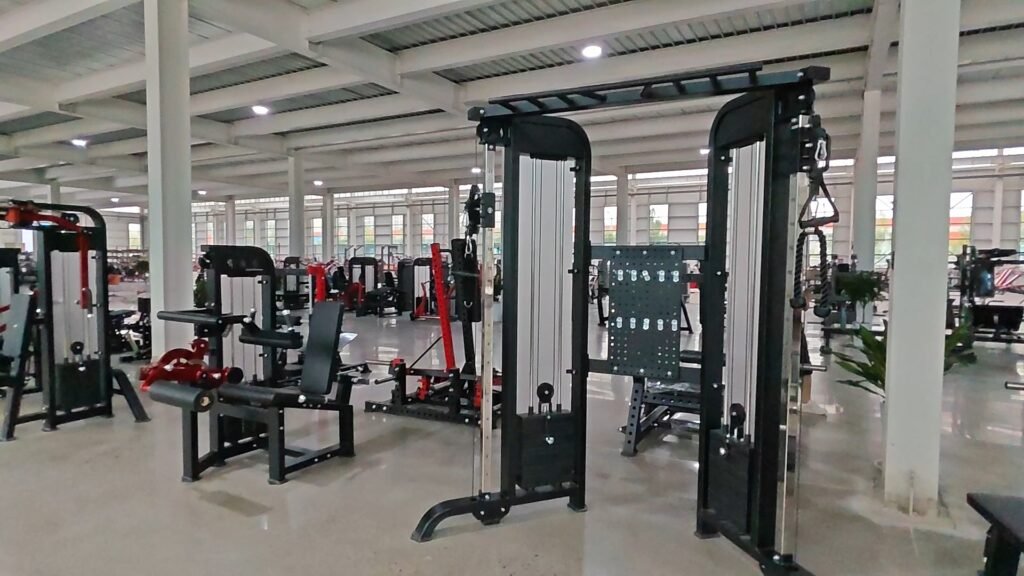
Continued growth of functional training: The functional training trend has driven demand for specialized equipment such as multi-functional cable machines, battle rope anchors, climbing rigs, and more.
Compact and multi-functional design: In land-constrained urban core areas, equipment with small footprints and high functional integration is gaining popularity.
Inclusive design: Adaptive equipment for users of different body types and ability levels has become an important direction for gyms to demonstrate social responsibility and expand their customer base.
Data-driven member operations: Usage data collected from equipment can help operators make more scientific decisions in equipment maintenance, class scheduling, and member retention strategies.
Conclusion
Equipping a gym is essentially a systematic process of comprehensively evaluating manufacturers, distributors, equipment quality, and member experience. Whether you are preparing to launch a new Fitness Studio, expand an existing GYM CLUB, or manage a corporate wellness center, every equipment selection decision will profoundly impact member satisfaction, operational cost structure, and long-term business development.
Successful enterprises typically address both equipment quality and member experience in tandem, establish long-term partnerships with professional distributors and manufacturers, and treat equipment management as an ongoing, dynamically optimized strategic task rather than a one-time procurement activity.
About Gettinglong
For many years, we have been at the forefront of the fitness equipment industry. Our state-of-the-art manufacturing facilities have always ensured production quality, while our experienced team provides unparalleled technical support. We have a proven track record of exporting products worldwide, with a strong presence in Asia, Europe and America.
Our stringent quality control process ensures that every batch of fitness equipment meets standards. We work closely with our customers to ensure timely delivery and stable pricing, positioning their needs above market trends. Our dedication to customer satisfaction is reflected in our long-term partnerships, such as our decade-long partnership with one of the largest companies in the world.
When you choose Gettinglong as your GYM Manufacturer partner, you receive not only high-quality gym equipment but also a long-term partnership built on quality, reliability, and mutual success. We welcome you to contact us to learn about our complete commercial fitness equipment solutions, and let us work together to transform your fitness venue into the ideal training space that members will love.


