
Opening or upgrading a gym is a capital-intensive decision, and few choices carry more weight than equipment sourcing. The machines you select determine member experience, maintenance costs, and ultimately retention. Yet many new operators enter the market without a clear picture of how the supply chain works. This guide answers the most common questions we hear from Fitness Studio owners and GYM CLUB operators navigating the equipment procurement process.
Where Do Most Gyms Get Their Equipment?
The short answer is: it depends on the size and type of facility, but three primary channels dominate the market.
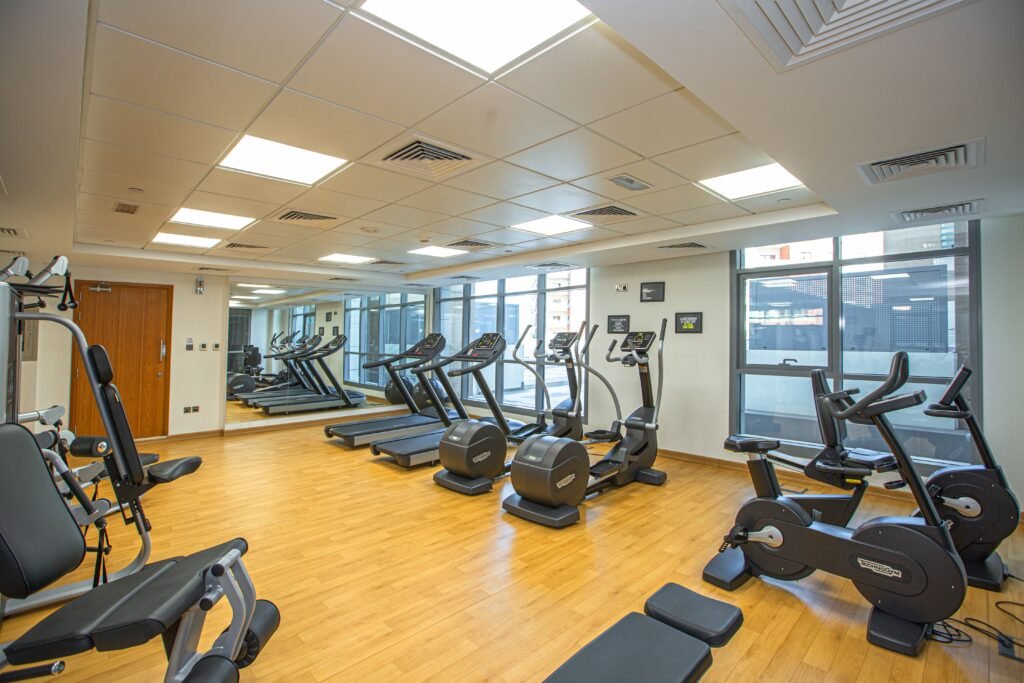
Direct from manufacturers is the most common route for larger GYM CLUB chains and facilities with substantial purchasing volumes. Buying direct eliminates intermediary markups and allows for customization, but it requires the operator to manage logistics, installation, and after-sales coordination themselves. For a Fitness Studio with limited staff bandwidth, this can be a significant operational burden.
Through distributors remains the dominant path for the majority of commercial gyms worldwide. Distributors maintain relationships with multiple fitness equipment manufacturers, stock inventory, and provide local installation and service support. This convenience comes at a cost, but for many facility owners, the trade-off is worthwhile.
The secondary market has grown considerably in recent years. Platforms now facilitate transactions between gyms selling off used gym equipment and facilities looking to furnish their floors at reduced cost. While attractive for budget-conscious startups, secondhand purchases carry warranty and parts availability risks that commercial operators must weigh carefully.
What Is a Fitness Equipment Distributor?
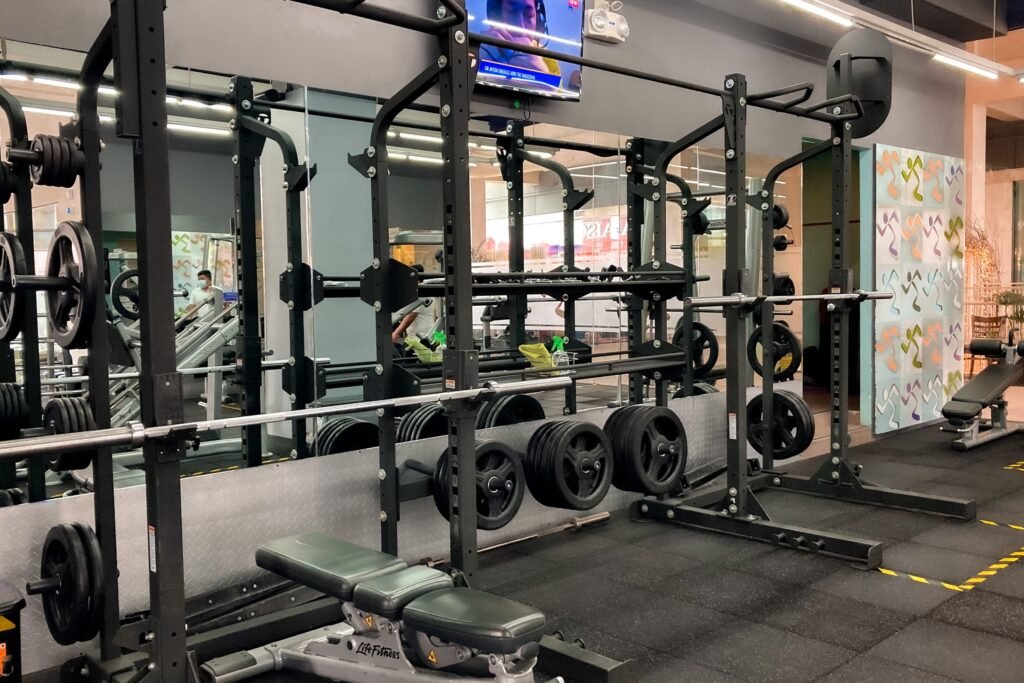
A fitness equipment distributor sits between the manufacturer and the end buyer. Their role extends well beyond simply moving boxes. A good distributor provides product sourcing across multiple brands, handles logistics and delivery scheduling, coordinates installation crews, and crucially, offers after-sales service and spare parts support.
For a GYM CLUB purchasing fifteen or twenty machines at once, a distributor’s value lies in consolidation: one purchase order, one delivery timeline, one point of contact when something needs fixing. Distributors also carry local inventory of wear parts—cables, pads, pulleys—which minimizes downtime when equipment fails. Margins come from volume and repeat business, not one-off sales.
When evaluating a distributor, ask about their service response times, whether they stock spare parts locally, and which gym equipment brands they represent. A distributor aligned with a reliable GYM Manufacturer will have better access to technical documentation and replacement components.
What Are the Two Most Important Considerations When Selecting a Fitness Facility?
From the perspective of an equipment manufacturer working with facility owners, two factors consistently determine whether a Fitness Studio or GYM CLUB succeeds with its equipment investment.
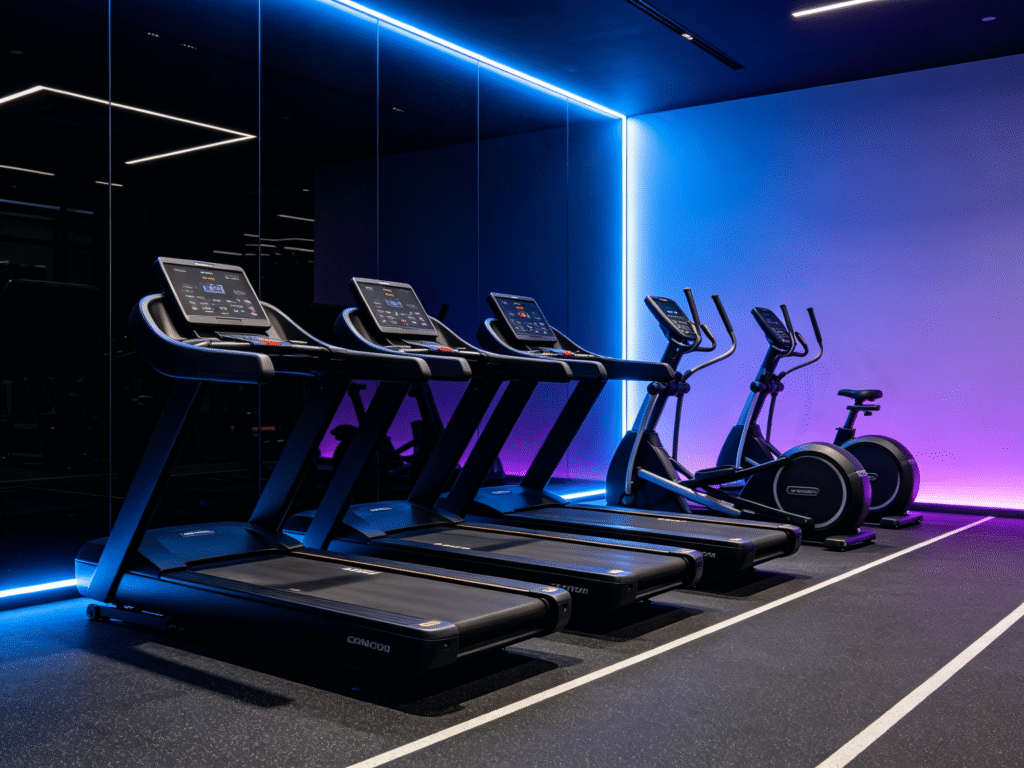
First: total cost of ownership, not sticker price. A machine priced 30% lower upfront can easily consume the difference in maintenance and downtime over five years. Commercial fitness equipment operates under conditions that home gear never sees: twelve-hour daily use, users of vastly different sizes and strength levels, and minimal warm-up. Frame gauge, bearing quality, cable construction, and upholstery durability all separate commercial-grade gym equipment from light-use alternatives. The cheapest option per unit is rarely the cheapest per member visit.
Second: serviceability and parts availability. Every machine breaks eventually. The question is how quickly it returns to service. Before committing to any GYM Manufacturer or brand, ask for the commercial warranty terms specifically on wear items—cables, pulleys, upholstery, grips—not just the frame. Frames rarely fail; cables and pads do. A facility that cannot source a replacement cable in under two weeks will have a dead station on its floor for a fortnight. For a busy GYM CLUB, that is lost member satisfaction and lost revenue.
What Brand Do Most Gyms Use?
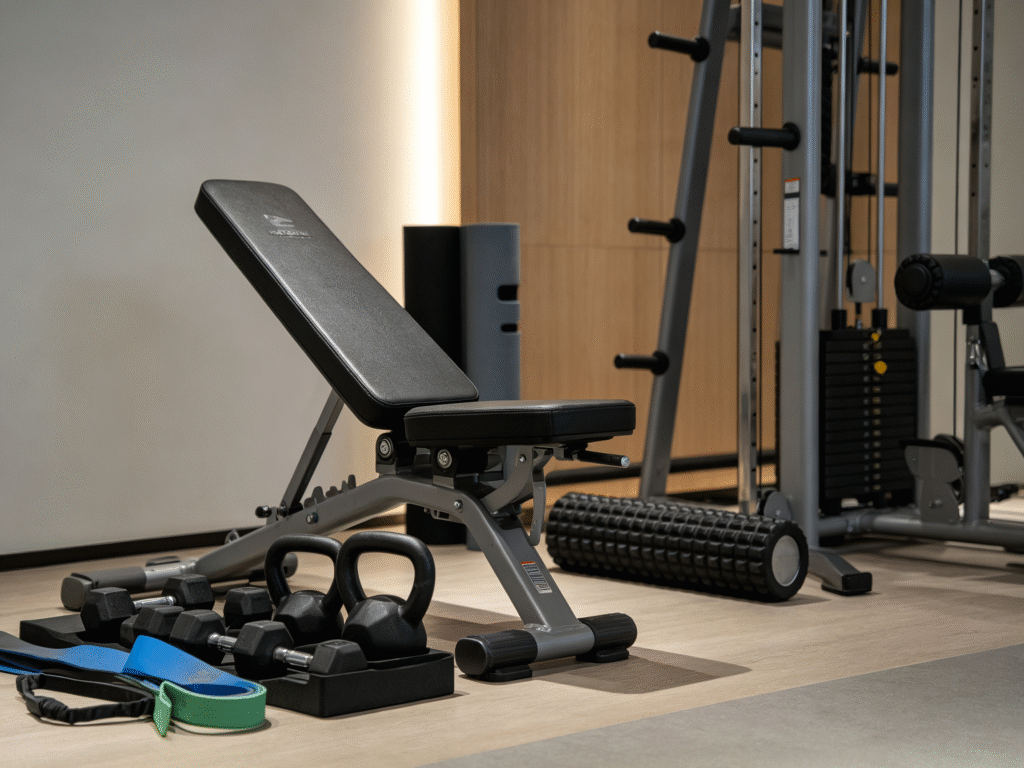
There is no single answer, but patterns emerge by facility type and region. Among large commercial health clubs, Life Fitness, Hammer Strength, Technogym, and Precor maintain strong presence, particularly in markets where member familiarity and premium perception drive membership sales. These brands invest heavily in service networks and console technology, which matters for high-traffic cardio floors.
For independently owned Fitness Studio spaces and mid-tier GYM CLUB operators, the calculus differs. Brand prestige matters less than durability per dollar and parts accessibility. Many operators in this segment work with established GYM Manufacturer partners who offer OEM and ODM capabilities—producing gym equipment to the operator’s specifications or under their own brand identity. This approach allows facilities to control costs while maintaining consistent quality across their equipment mix.
The practical reality is that most gyms use a mix: premium branded cardio for member-facing areas, and reliable commercial-grade strength fitness equipment from manufacturers who prioritize build quality and parts support over marketing spend.
Building Your Equipment Strategy
Whether you are furnishing a new Fitness Studio or replacing aging machines in an established GYM CLUB, the sourcing decision comes down to understanding what you are actually buying: not just steel and padding, but uptime, member experience, and the operational headache you will or will not face in year three. Choose partners who understand that distinction.
About Gettinglong
For many years, we have been at the forefront of the fitness equipment industry. Our state-of-the-art manufacturing facilities have always ensured production quality, while our experienced team provides unparalleled technical support. We have a proven track record of exporting products worldwide, with a strong presence in Asia, Europe and America.
Our stringent quality control process ensures that every batch of fitness equipment meets standards. We work closely with our customers to ensure timely delivery and stable pricing, positioning their needs above market trends. Our dedication to customer satisfaction is reflected in our long-term partnerships, such as our decade-long partnership with one of the largest companies in the world.
As a dedicated GYM Manufacturer, Gettinglong supplies commercial-grade gym equipment to Fitness Studio and GYM CLUB operators across more than 30 countries. If you are evaluating equipment partners for your next project, our team is ready to discuss how our manufacturing capabilities can support your facility’s success.


