
In the rapidly evolving world of health and wellness, the foundation of any successful fitness venture lies in the quality of its tools. Whether you are opening a boutique Fitness Studio or expanding a massive GYM CLUB, the journey begins with understanding the supply chain. For gym owners, procurement managers, and fitness entrepreneurs, the questions surrounding equipment sourcing are often repetitive yet critical. Where do the machines come from? Who connects the factory to the floor? And most importantly, how do you choose the right partner?
This guide aims to demystify the procurement process. We will explore the intricate ecosystem of the fitness industry, from manufacturing lines to the final assembly in your facility. By understanding these dynamics, you can ensure that your investment leads to longevity, user satisfaction, and a high return on investment.
Where do most gyms get their equipment?
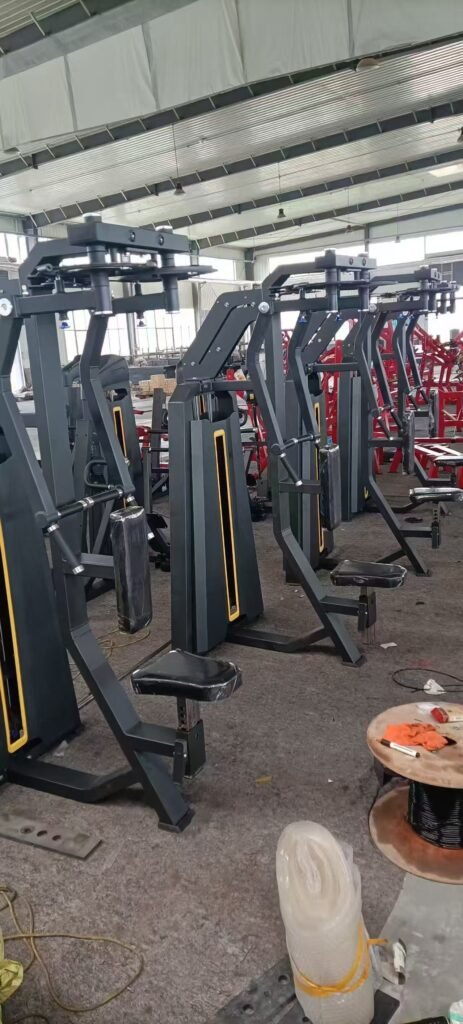
The journey of a treadmill or a squat rack from a production line to your workout floor is a complex global journey. Most commercial gyms do not purchase directly from the factory floor; rather, they rely on a network of suppliers. The primary source for most gyms is a combination of direct purchasing from large-scale manufacturers and, more commonly, through specialized distributors.
Direct from Manufacturers: Large franchise chains and big-box gyms often have the purchasing power to buy directly from GYM Manufacturer facilities. These are massive factories, often located in manufacturing hubs, that produce equipment in bulk. By cutting out the middleman, these large entities can secure lower unit costs. However, this route requires substantial minimum order quantities (MOQs), extensive logistics management, and long lead times.
Through Specialty Distributors: The vast majority of independent gyms, boutique studios, and municipal recreation centers get their equipment from fitness equipment distributors. These distributors act as the bridge between the factory and the end-user. They buy large volumes from various GYM Manufacturer brands, store the inventory in regional warehouses, and sell smaller quantities to individual gym owners. This is the most practical solution for 90% of the market because it offers flexibility, faster shipping, and access to a variety of brands in a single order.
Online Marketplaces and Auctions: A growing secondary market exists where gyms acquire used equipment from closing facilities or hotels. While this is a budget-friendly option, it comes with risks regarding wear and tear, especially with electronic components.
What is a fitness equipment distributor?
A fitness equipment distributor is a critical intermediary in the supply chain. They are essentially the logistical engine that ensures a new GYM CULB can open its doors on schedule. Unlike a manufacturer that focuses solely on production, a distributor focuses on logistics, sales, and service.
Here is what a distributor actually does:
-
Bulk Purchasing and Inventory: Distributors purchase container-loads of fitness equipment from manufacturers worldwide. They hold this stock in large fulfillment centers, allowing gym owners to buy single pieces or small sets without waiting for a factory production cycle.
-
Brand Aggregation: A single distributor often represents multiple brands. This allows a gym owner to buy cardio equipment from one brand and strength equipment from another, all in one consolidated shipment, saving on freight costs.
-
Logistics and Installation: Distributors usually manage the “last mile” delivery. They coordinate shipping, assembly, and often provide initial setup services for complex machines.
-
Warranty and Parts: Perhaps the most crucial role is acting as the warranty service center. If a machine breaks down, the distributor is the point of contact for spare parts and technical support, negating the need for the gym to communicate directly with an overseas manufacturer.
Choosing a reliable distributor is often more important than choosing the brand of the equipment itself. A great distributor ensures that your gym equipment remains functional for years to come through dedicated after-sales support.
What are the two most important considerations when selecting a fitness facility?
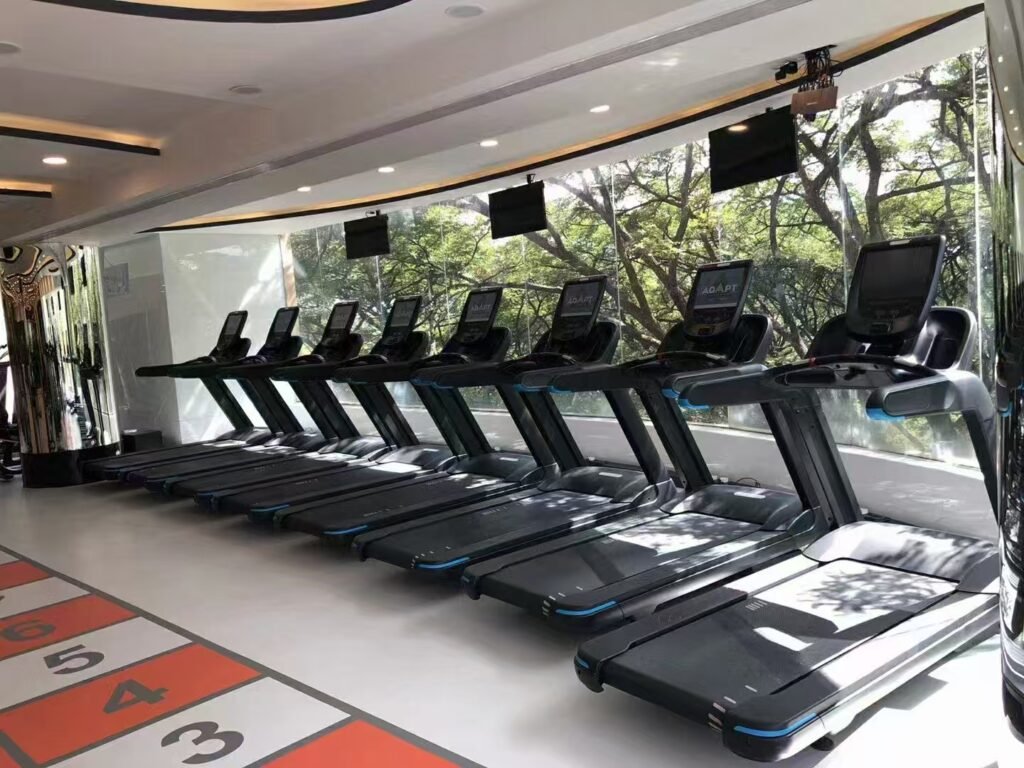
While the equipment is the heart of the operation, the facility itself is the body. When selecting the physical space for a Fitness Studio or GYM CULB, there are hundreds of variables. However, two considerations consistently outweigh all others when it comes to long-term success: Ceiling Height and Flooring/Subfloor Condition.
1. Ceiling Height and Structural Clearance
This is often the most overlooked yet most expensive mistake to fix post-lease. For functional fitness, CrossFit, or even basic overhead pressing, you need adequate clearance.
-
Standard vs. Functional: Standard machines typically require 8 to 9 feet. However, if you plan to incorporate squat racks with pull-up bars, cable crossovers, or battle ropes, you need a minimum of 10 to 12 feet.
-
HVAC and Sprinklers: You must measure from the floor to the lowest obstruction, which is usually the fire sprinkler heads or HVAC ducts, not the ceiling itself. If your members cannot perform a full overhead squat without hitting a sprinkler, your facility is not viable for functional training.
2. Flooring and Subfloor Condition
The floor is the foundation of safety and noise control.
-
Uniformity: The subfloor must be perfectly level. Uneven floors cause gym equipment to rock, leading to structural fatigue, bolt loosening, and potential injury.
-
Impact Absorption: Concrete slabs are ideal for heavy free weights, but they require a rubber flooring overlay to protect the weights and the subfloor. Wooden subfloors are generally unsuitable for heavy commercial use due to vibration and noise transmission to neighboring units.
-
Cost of Preparation: The cost of grinding down concrete or pouring a self-leveling compound is significant. When budgeting for your facility, the flooring installation can sometimes cost more than the fitness equipment itself. It is essential to factor this into your initial capital expenditure.
What brand do most gyms use?
The “most used” brand varies depending on the tier of the gym. There isn’t a single “one-size-fits-all” answer because a budget-friendly community center has different needs than a luxury resort spa. However, we can categorize the industry leaders:
The Commercial Heavyweights (High-Tier/Global Chains):
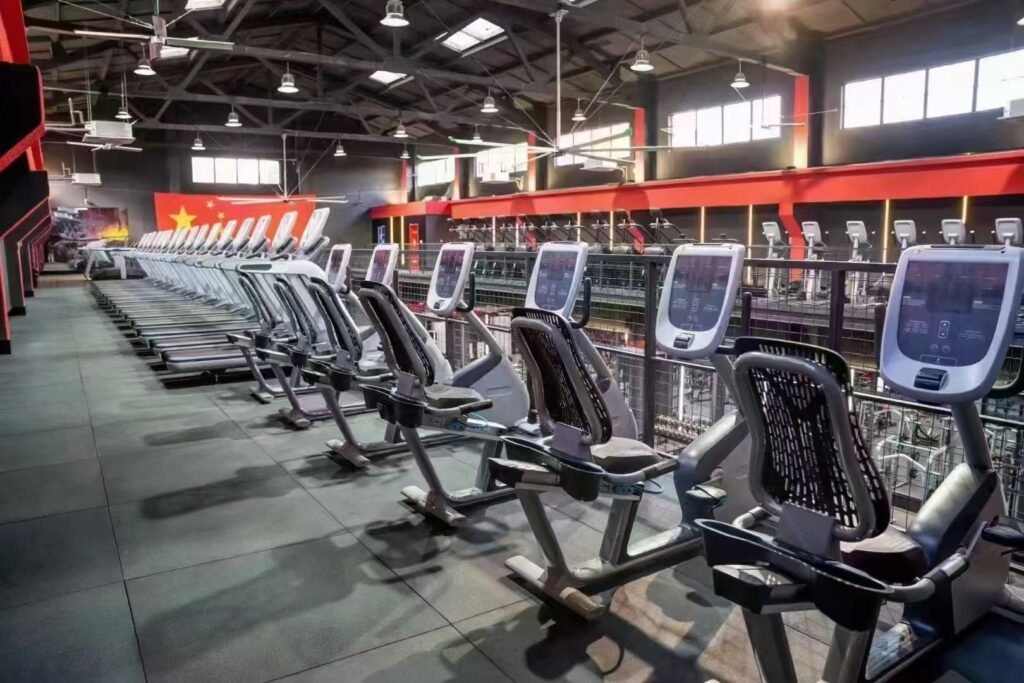
Brands like Life Fitness, Precor, and Technogym dominate the upscale hotel and premium GYM CULB sector. They are known for their aesthetic appeal, biomechanical research, and sophisticated entertainment consoles. These brands are often the go-to for five-star hotels and corporate wellness centers.
The Strength Specialists (Mid-to-High Tier):
Hammer Strength (now owned by Life Fitness) and Nautilus are the gold standards for plate-loaded and selectorized strength machines. If you walk into a hardcore bodybuilding gym, you will likely see a sea of Hammer Strength equipment.
The Functional Fitness Leaders (CrossFit and HIIT):
Rogue Fitness and Eleiko have massive followings in the functional fitness space. They are renowned for heavy-duty racks, barbells, and bumper plates that can withstand high-impact dropping.
The “Best Value” or “Commercial Grade” (Mid-Tier):
This is where brands like Matrix Fitness and TRUE Fitness sit. They offer a balance of durability and price, making them popular for large franchise gyms that need to equip hundreds of locations cost-effectively.
The Decision Factor: Most gyms do not stick to one single brand; they create a “Brand Mix.” A gym might buy cardio machines from Precor, strength equipment from Hammer Strength, and rigs from Rogue. They make these decisions based on the specific needs of their membership demographic.
The Critical Role of the Manufacturer
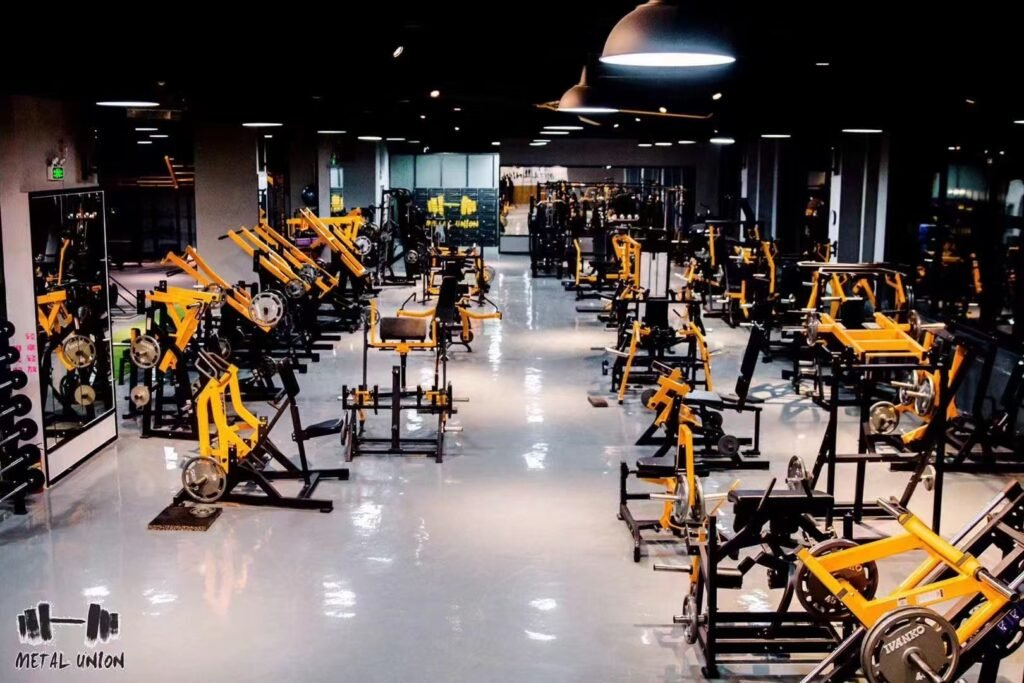
Regardless of whether you are buying a top-tier Technogym treadmill or a budget-friendly plate-loaded bench, the equipment must pass rigorous quality standards. This is where the expertise of the GYM Manufacturer comes into play. The manufacturing process determines the lifespan of the equipment. Poorly welded joints, low-grade bearings, and cheap paint will fail within a year of heavy use.
Gym owners must look for manufacturers who prioritize “Material Thickness” and “Gauge Steel.” Heavy-gauge steel (typically 11-gauge or 14-gauge) ensures stability. Furthermore, the powder coating process must be rust-resistant to handle the humidity and sweat present in any active Fitness Studio. As a gym owner, you want a partner who doesn’t just supply a machine but guarantees that the machine will survive 50,000 cycles of use.
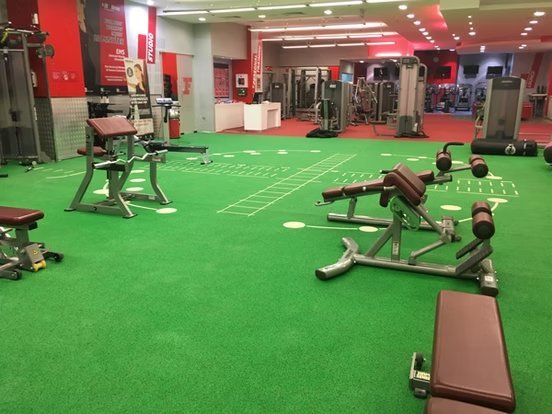
Gettinglong: Your Trusted Partner in Global Fitness Solutions
In an industry where reliability is non-negotiable, choosing the right partner is paramount. This is where our commitment at Gettinglong sets us apart.
Gettinglong Company Background
For many years, we have been at the forefront of the fitness equipment industry. Our state-of-the-art manufacturing facilities have always ensured production quality, while our experienced team provides unparalleled technical support. We have a proven track record of exporting products worldwide, with a strong presence in Asia, Europe and America.
When you choose Gettinglong, you are not just buying gym equipment; you are investing in a partnership that values precision and performance. Our manufacturing process is designed to meet the rigorous demands of a high-traffic GYM CULB, ensuring that every machine delivers consistent results for your members.
Quality Control and Global Supply
Our stringent quality control process ensures that every batch of fitness equipment meets standards. We work closely with our customers to ensure timely delivery and stable pricing, positioning their needs above market trends. Our dedication to customer satisfaction is reflected in our long-term partnerships, such as our decade-long partnership with one of the largest companies in the world.
Conclusion: Building Your Gym for the Future
Starting a gym is a monumental task. Whether you are equipping a boutique Fitness Studio or a multi-story GYM CULB, the decisions you make today regarding suppliers and facility design will echo throughout your business’s lifespan. By understanding where to source your equipment, the role of the distributor, and the structural needs of your space, you eliminate guesswork and ensure you are investing wisely.
Remember, the two most important considerations—ceiling height and flooring—must be addressed before you sign a lease. And when it comes to selecting the machines to fill that space, focus on the quality of the manufacturing and the support of your distributor. With the right strategy and a trusted partner like Gettinglong, you can build a facility that not only attracts members but retains them through a superior experience. It is not just about selling a machine; it is about building a community and supporting a healthier world.


