
The fitness industry is more competitive than ever. With new boutique studios popping up on every corner and established gym chains expanding their footprints, standing out requires more than just a prime location and friendly staff. The hardware you invest in—the iron, the cables, the electronics—sends a powerful message about your brand’s quality and commitment to member results.
Whether you are launching a niche Fitness Studio or managing a sprawling multi-purpose GYM CLUB, understanding the origins of your equipment and the logic of the supply chain is essential for long-term success. This article dives deep into the mechanics of the fitness equipment world, helping you make informed decisions that protect your investment and delight your members.
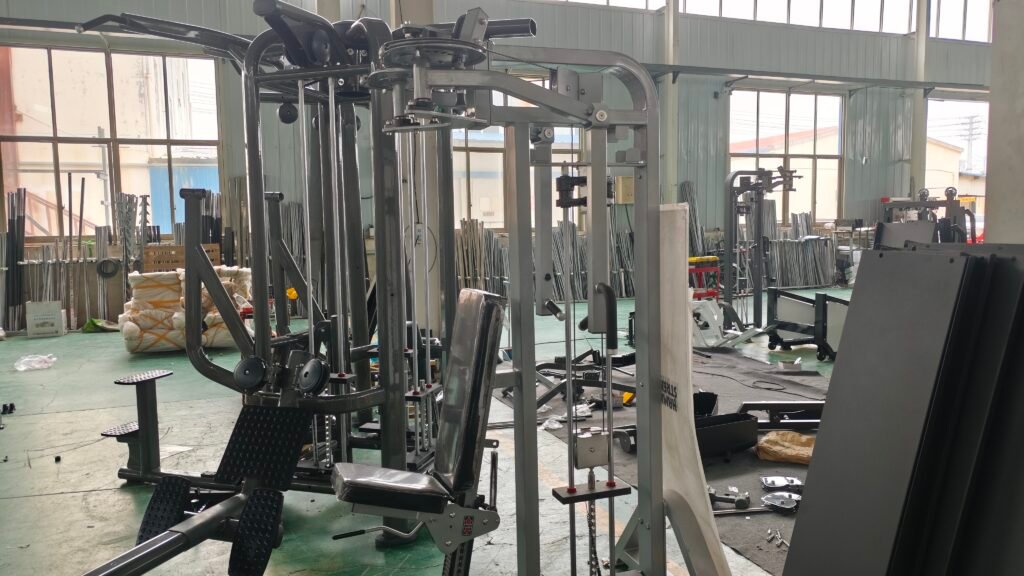
Where do most gyms get their equipment?
The procurement landscape for commercial fitness facilities is diverse, but it generally flows through a few established channels. For the majority of gym owners, the journey to acquire gym equipment begins with research and ends with a purchase order from a supplier. Here is a breakdown of the primary sources:
Direct Sourcing: Large-scale operators and international GYM CLUB franchises often bypass intermediaries to negotiate directly with foundries and factories. This direct line to a GYM Manufacturer allows for customized branding, specific design modifications, and the most competitive pricing—provided the order volume is substantial enough to open the factory doors.
Online B2B Marketplaces: The digital age has transformed procurement. Many gym owners now use global B2B platforms to vet and connect with overseas manufacturers. This allows them to compare the quality of fitness equipment from different regions without leaving their office.
Full-Service Vendors: Many gyms prefer a turnkey solution. They hire vendors who not only supply the equipment but also design the floor plan, provide virtual reality mockups of the space, and handle all the logistics. These vendors, in turn, rely on robust manufacturing partners to fulfill the orders.
Ultimately, regardless of the route taken, the source of all value is the factory. The reputation of the GYM Manufacturer is the bedrock upon which the entire gym experience is built.
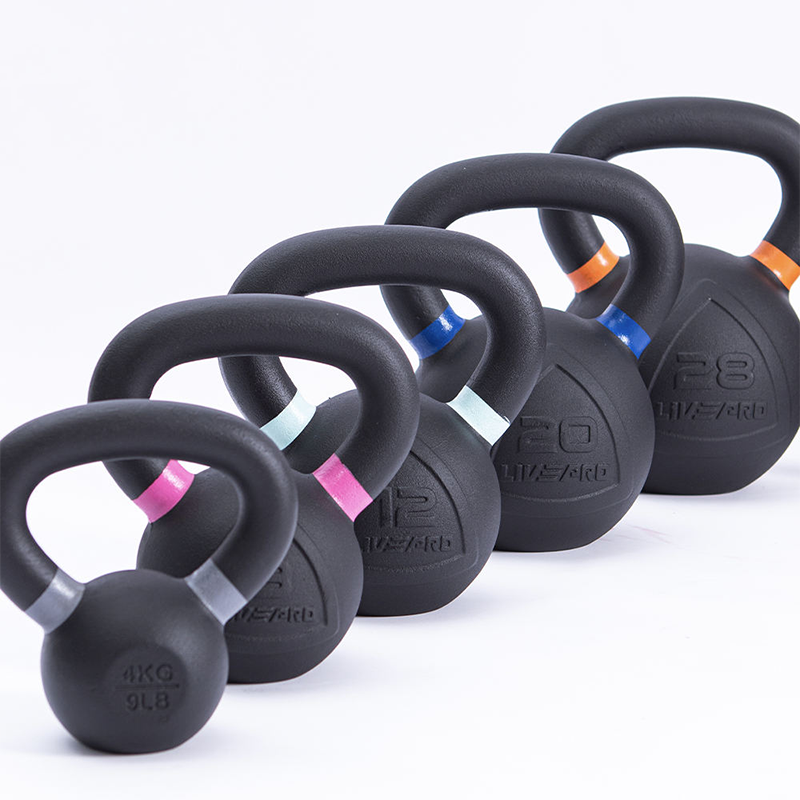
What is a fitness equipment distributor?
In the fitness ecosystem, a fitness equipment distributor serves a vital function. Think of them as the logistical nerve center between global production and local consumption. When a Fitness Studio owner decides it’s time to upgrade their strength training area, they rarely have the capacity to import a shipping container directly. This is where the distributor steps in.
A distributor purchases massive quantities of gym equipment from manufacturers, storing it in regional warehouses. They then break these bulk shipments down into smaller, manageable lots for sale to individual businesses. Their key roles include:
Risk Mitigation: They stock inventory, so if a piece of equipment breaks, the gym can get a replacement quickly without waiting for international shipping.
Market Expertise: Distributors often have a deep understanding of local market trends. They know what types of fitness equipment are popular in their specific region and can advise gym owners accordingly.
Service Networks: Many distributors employ certified technicians who can handle warranty repairs and maintenance, adding a layer of service that a distant manufacturer might struggle to provide directly.
However, the quality of a distributor’s offering is entirely dependent on the quality of the manufacturer they choose to represent.
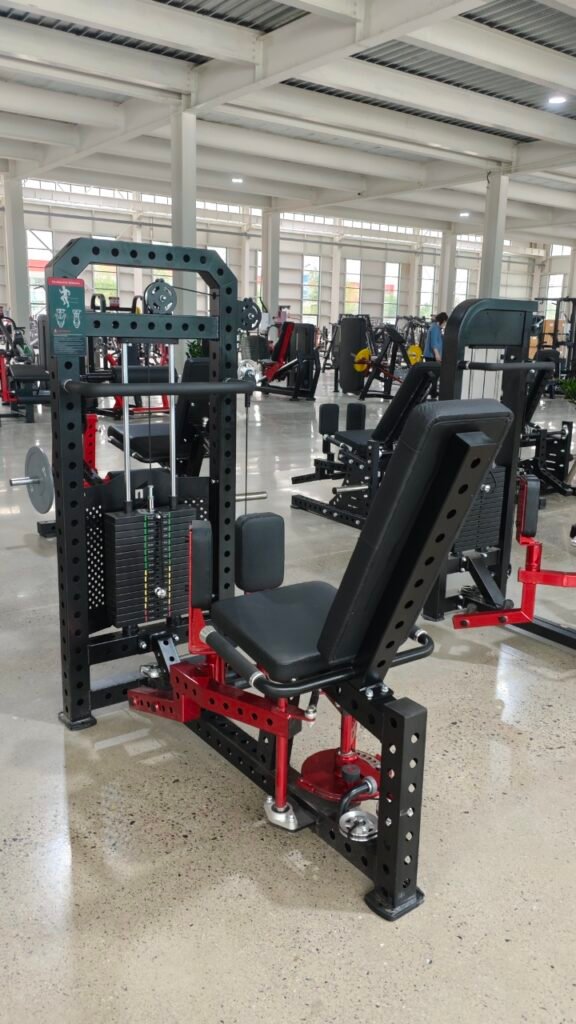
What are the two most important considerations when selecting a fitness facility?
When planning the layout and procurement for a GYM CLUB, the equipment list can quickly become overwhelming. While aesthetics and brand colors are important, two fundamental considerations should guide your decision-making process above all else.
1. Space Optimization and Workflow
The first consideration is how the equipment interacts with the space and the people moving through it. You can have the best gym equipment in the world, but if it is crammed together, creating safety hazards and traffic jams, members will have a poor experience. You must consider the “flow” of the gym during peak hours.
Zoning: Separate heavy lifting areas from cardio zones and functional training spaces.
Sightlines: Ensure staff can easily see members from the front desk for safety.
Maintenance Access: Equipment needs room to breathe for cooling and space for technicians to access panels for repairs.
A reputable GYM Manufacturer will provide detailed spec sheets, allowing you to plan your layout with precision.
2. Total Cost of Ownership (TCO)
The sticker price is tempting, but the true cost of fitness equipment includes maintenance, repair, and lifespan. Cheap gym equipment often uses lower-grade bearings, thinner upholstery, and weaker cables. While the initial investment is low, the ongoing costs can cripple a small Fitness Studio.
Warranty: A long, comprehensive warranty from the manufacturer is a sign of confidence.
Parts Availability: Can you easily get replacement parts, or will the machine be out of order for months?
Power Consumption: Commercial treadmills and ellipticals consume significant energy. Energy-efficient models from a quality manufacturer save money over time.
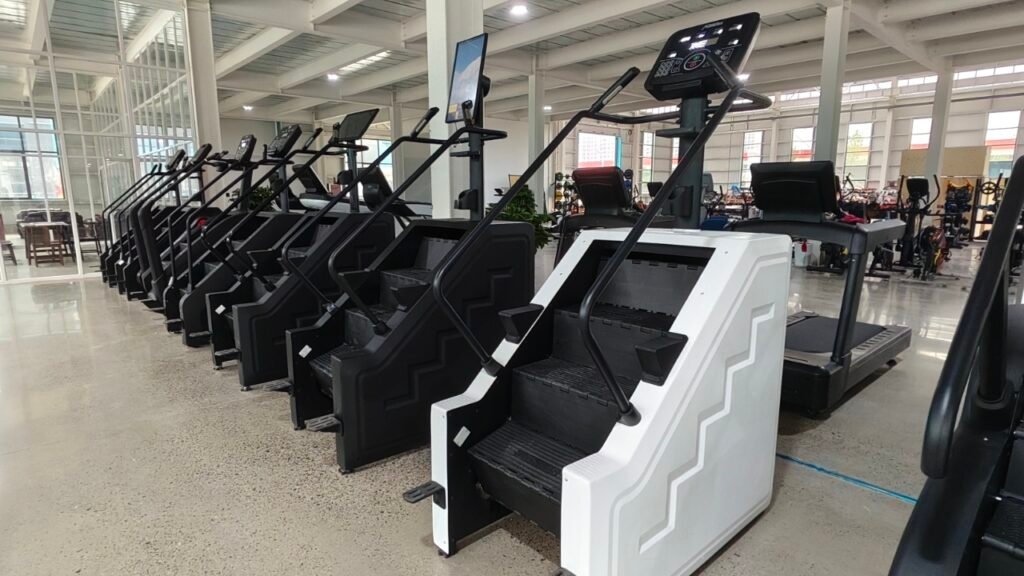
What brand do most gyms use?
There is no monopoly in the fitness industry, but there are certainly market leaders. Most gyms do not necessarily stick to a single “brand name” for everything. Instead, they mix and match “best in class” items from various sources. However, when you look at the volume of equipment sold globally, a pattern emerges.
Most commercial gyms, particularly those focused on value and durability, rely on specialized manufacturers who have perfected the art of producing commercial-grade fitness equipment without the luxury markup. These manufacturers prioritize function over flash.
The “brand” most gyms end up using is the one that offers the best commercial warranty, the most robust frame construction, and the most responsive customer service. In a globalized economy, many savvy gym owners are moving away from traditional Western brands and toward innovative GYM Manufacturer partners in Asia who offer superior value and customization options. They are choosing partners who treat them as collaborators, not just customers.
Conclusion: Building on a Solid Foundation
The fitness industry is built on sweat and dedication, but the structures that house that effort are built on steel and smart engineering. Whether you are designing an exclusive Fitness Studio or a massive public GYM CLUB, the path to success is paved with high-quality gym equipment and a reliable supply chain.
By understanding the roles of distributors and the importance of total cost of ownership, you can make choices that serve your business for decades. The key is to look beyond the surface and partner with a manufacturer who values quality as much as you do.
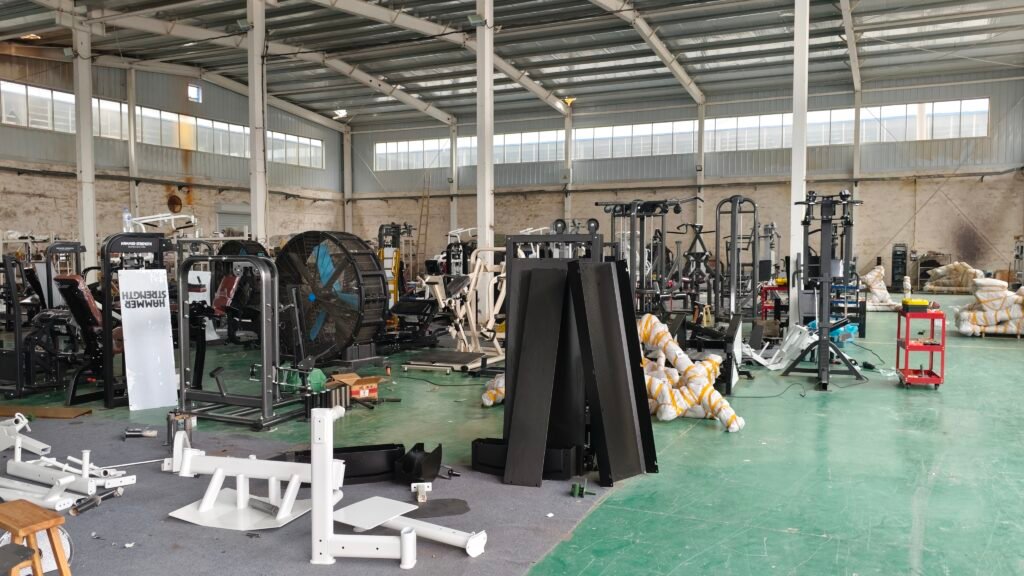
About Gettinglong: Engineering Excellence for Global Gyms
For many years, we have been at the forefront of the fitness equipment industry. As a premier GYM Manufacturer, our state-of-the-art manufacturing facilities have always ensured production quality, while our experienced team provides unparalleled technical support. We have a proven track record of exporting products worldwide, with a strong presence in Asia, Europe and America. Our extensive catalog of gym equipment is engineered to meet the daily demands of the busiest Fitness Studio and GYM CLUB environments.
Our stringent quality control process ensures that every batch of fitness equipment meets international standards. We work closely with our customers to ensure timely delivery and stable pricing, positioning their needs above market trends. Our dedication to customer satisfaction is reflected in our long-term partnerships, such as our decade-long partnership with one of the largest companies in the world.
From design to delivery, Gettinglong is your dedicated partner in building a better fitness future. Let’s build something strong together.


