
Introduction
Opening a gym or fitness studio is an exciting venture, but it comes with a host of critical decisions—none more important than selecting the right equipment. The machines and weights you choose will directly impact your members’ experience, your facility’s reputation, and ultimately, your bottom line. For gym owners and fitness entrepreneurs, understanding the commercial fitness equipment landscape is essential. From sourcing strategies to distributor relationships, and from space planning to brand selection, every choice matters. This comprehensive guide answers the most frequently asked questions about commercial fitness equipment procurement and provides actionable insights for fitness facility operators.
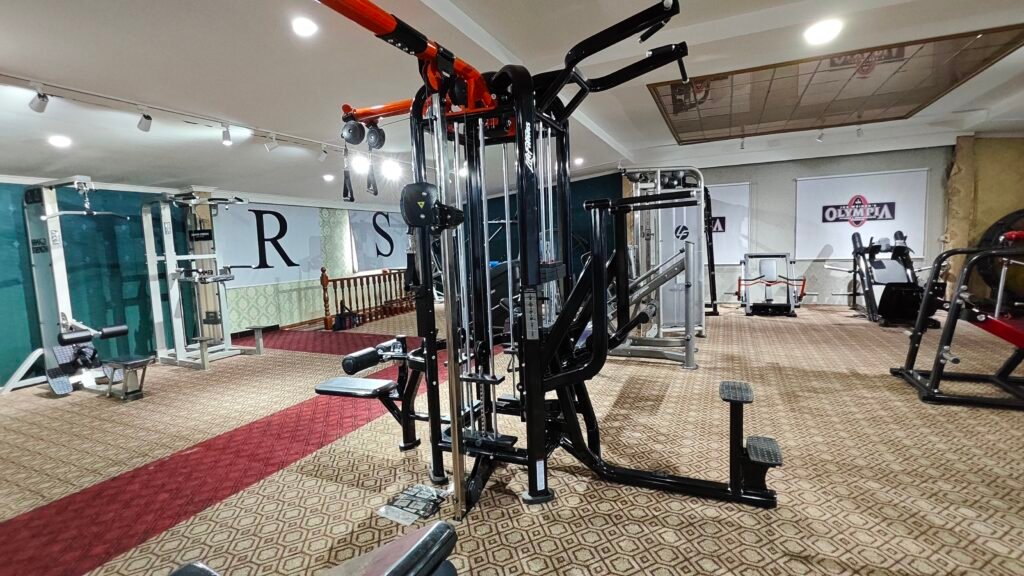
Where Do Most Gyms Get Their Equipment?
The vast majority of commercial gyms and fitness studios source their equipment through established channels that prioritize reliability, warranty support, and bulk purchasing capabilities. Understanding these channels is crucial for any fitness business owner.
Direct from Manufacturers: Large gym chains and franchise operations often purchase fitness equipment directly from manufacturers. This approach allows them to negotiate favorable pricing, establish long-term supply agreements, and ensure consistent equipment specifications across multiple locations. Major manufacturers have dedicated commercial sales divisions that handle these large-scale transactions, providing customized solutions that include branding, custom color options, and tailored warranty packages.
Authorized Distributors and Dealers: For independent gym owners and smaller fitness studios, working with an authorized fitness equipment distributor is the most common route. These distributors serve as the bridge between manufacturers and end-users, offering value-added services such as equipment selection assistance, space planning, delivery, installation, and ongoing maintenance. Distributors maintain relationships with multiple manufacturers, allowing gym owners to compare products and find the best solutions for their specific needs.
Equipment Leasing Companies: Many gyms choose to lease their equipment rather than purchase it outright. Leasing companies partner with manufacturers to provide gym equipment under flexible payment structures that spread the cost over several years. This approach is particularly attractive for startups with limited capital, as it preserves cash flow while allowing the gym to equip its facility with high-quality commercial-grade machines.
Online Marketplaces and Used Equipment Dealers: While less common for premium commercial facilities, some gyms supplement their inventory with used or refurbished equipment from online marketplaces or specialized used equipment dealers. This can be a cost-effective strategy for adding additional machines or for outfitting less-trafficked areas of the facility. However, buyers must exercise caution regarding equipment condition, remaining lifespan, and warranty coverage.
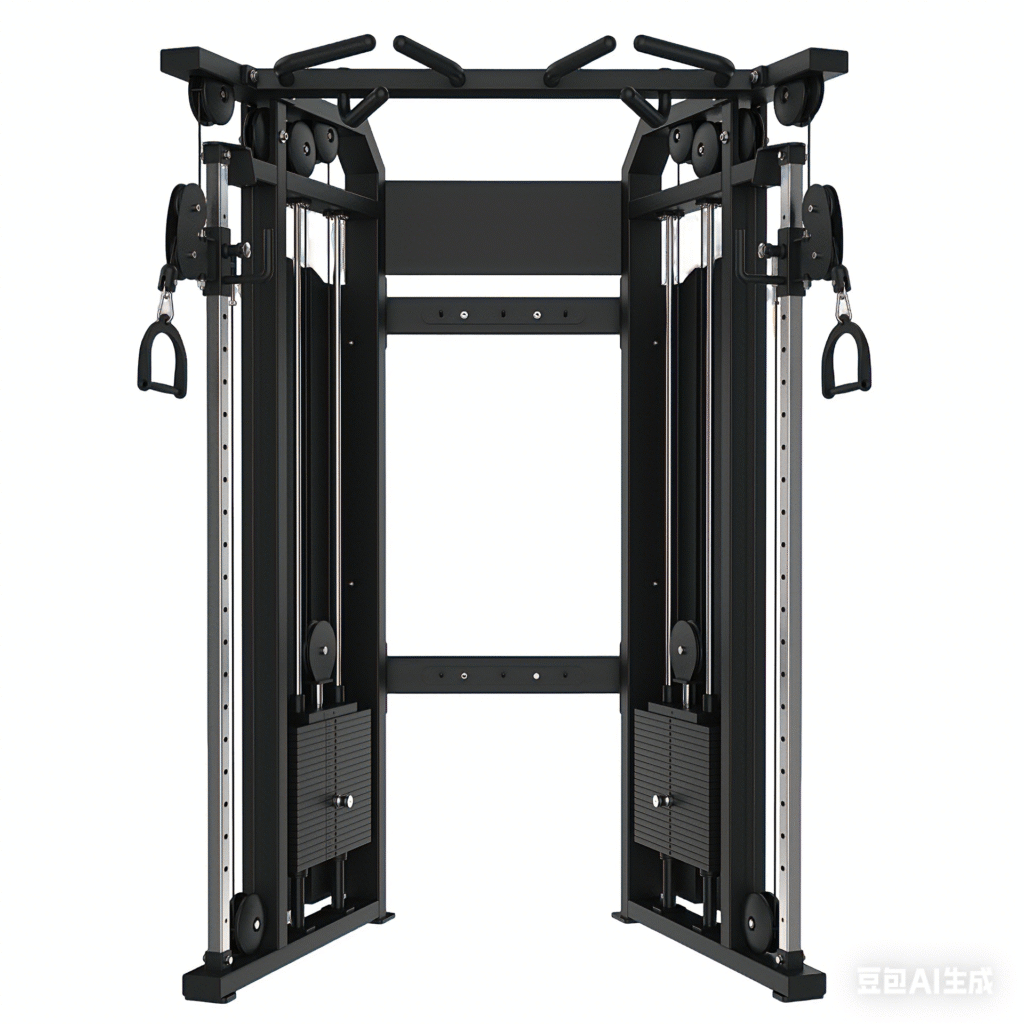
What Is a Fitness Equipment Distributor?
A fitness equipment distributor is a specialized intermediary that connects manufacturers with end-users—typically gym owners, fitness studios, hotels, universities, and corporate wellness centers. Distributors play a multifaceted role that extends far beyond simple product resale.
Consultation and Needs Assessment: Professional distributors begin by conducting a thorough needs assessment with their clients. They evaluate the facility’s target demographic, the types of workouts that will be emphasized, the available floor space, and the budget constraints. This consultative approach ensures that the equipment selected aligns perfectly with the gym’s business objectives and member expectations.
Space Planning and Layout Design: One of the most valuable services a distributor provides is space planning. They use specialized software to create optimized floor plans that maximize equipment density while maintaining safe traffic flow and compliance with accessibility standards. Proper space planning can increase a gym’s capacity by 20-30% without expanding the physical footprint.
Equipment Selection and Procurement: Distributors maintain extensive product knowledge across multiple brands and equipment categories. They can recommend specific machines for different training modalities—from cardio and strength to functional training and group exercise. Their relationships with manufacturers often allow them to secure better pricing and faster delivery times than individual buyers could achieve on their own.
Delivery, Installation, and Setup: Professional distributors manage the entire logistics chain, from coordinating delivery schedules to handling installation and setup. They ensure that equipment is properly assembled, calibrated, and tested before being turned over to the gym operator.
Maintenance and Service: After-sales support is a critical function of a fitness equipment distributor. They provide ongoing maintenance, repair services, and access to genuine replacement parts. This support is essential for minimizing equipment downtime and extending the useful life of the investment.
Financing and Leasing Options: Many distributors offer financing solutions that help gym owners acquire equipment with manageable payment terms. This can be particularly helpful for new businesses that need to preserve working capital for other operational expenses.
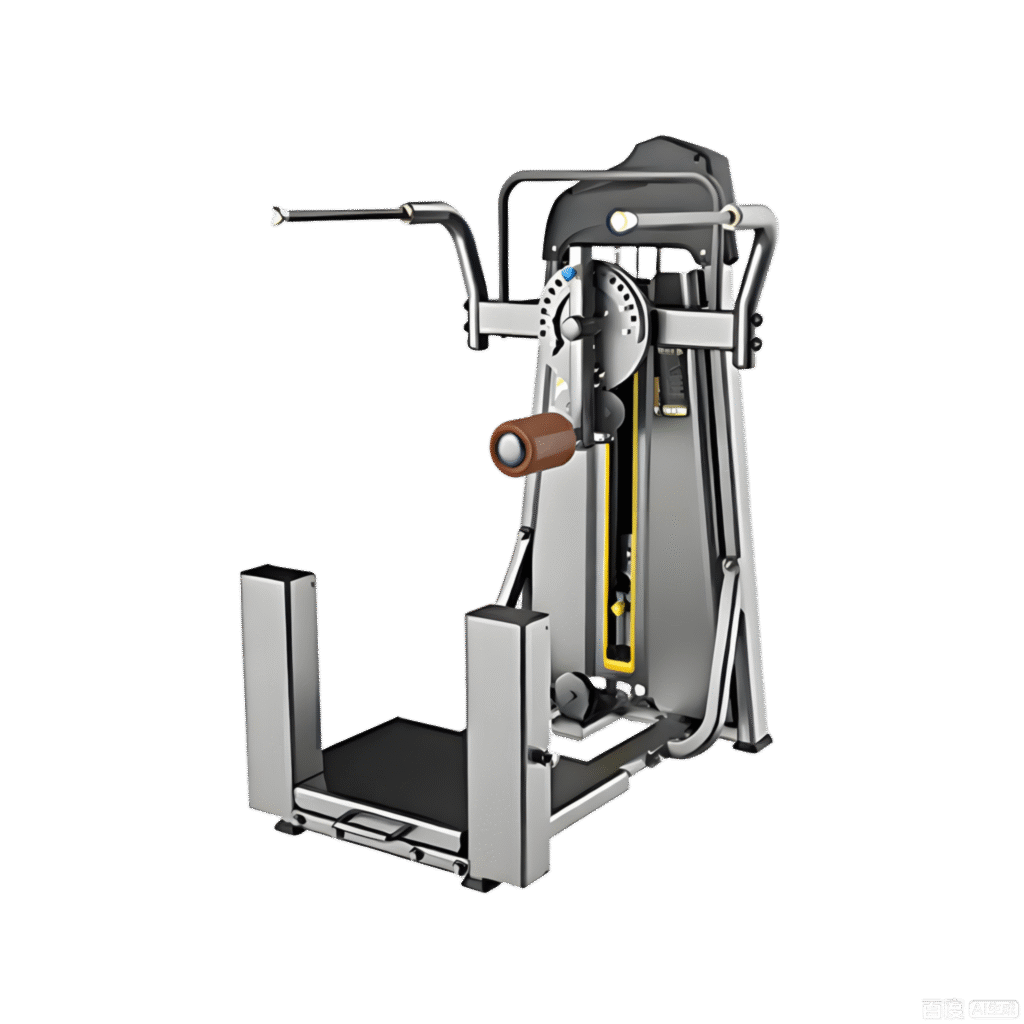
What Are the Two Most Important Considerations When Selecting a Fitness Facility?
When planning a Fitness Studio or GYM CLUB, two considerations consistently rise above all others in determining success. These factors impact not only the initial investment but also the long-term viability and profitability of the business.
1. Equipment Quality and Durability
Commercial gym equipment experiences thousands of cycles of use every single day. Unlike home fitness equipment, which may see a few hours of use per week, commercial machines are subjected to relentless wear and tear from users of varying sizes, fitness levels, and technique.
Durability is paramount. Equipment failures lead to member dissatisfaction, safety risks, and costly downtime. When machines break, members cannot complete their workouts, and the gym’s reputation suffers. Furthermore, repair costs and lost revenue during downtime can quickly erode profitability.
Key factors to evaluate:
-
Frame construction: Commercial-grade equipment uses heavier-gauge steel and more robust welding techniques.
-
Warranty coverage: Manufacturers that offer comprehensive warranties (5-10 years on frames, 1-3 years on parts and labor) demonstrate confidence in their products.
-
Brand reputation: Established brands have proven track records of reliability and service support.
-
Maintenance requirements: Equipment should be designed for easy servicing, with accessible components and standardized parts.
2. Space Planning and Layout Optimization
The physical layout of a GYM CLUB directly impacts member experience, operational efficiency, and revenue potential. Poor space planning can result in cramped workout areas, equipment that is underutilized or inaccessible, and safety hazards.
Optimal space utilization requires:
-
Traffic flow analysis: Members should be able to move between equipment zones without congestion or bottlenecks. Common pathways should be at least 36 inches wide.
-
Equipment spacing: Cardio machines typically require 24-36 inches of clear space between units. Strength equipment needs adequate room for safe loading and unloading of weights.
-
Zone differentiation: Creating distinct zones for cardio, strength, functional training, and group exercise improves the member experience and allows for more efficient supervision.
-
Future expansion: The layout should accommodate potential growth, whether through additional equipment or expanded class offerings.
Getting these two considerations right—equipment quality and space planning—will determine whether your fitness facility thrives or struggles. Skimping on either will compromise member satisfaction and limit your growth potential.
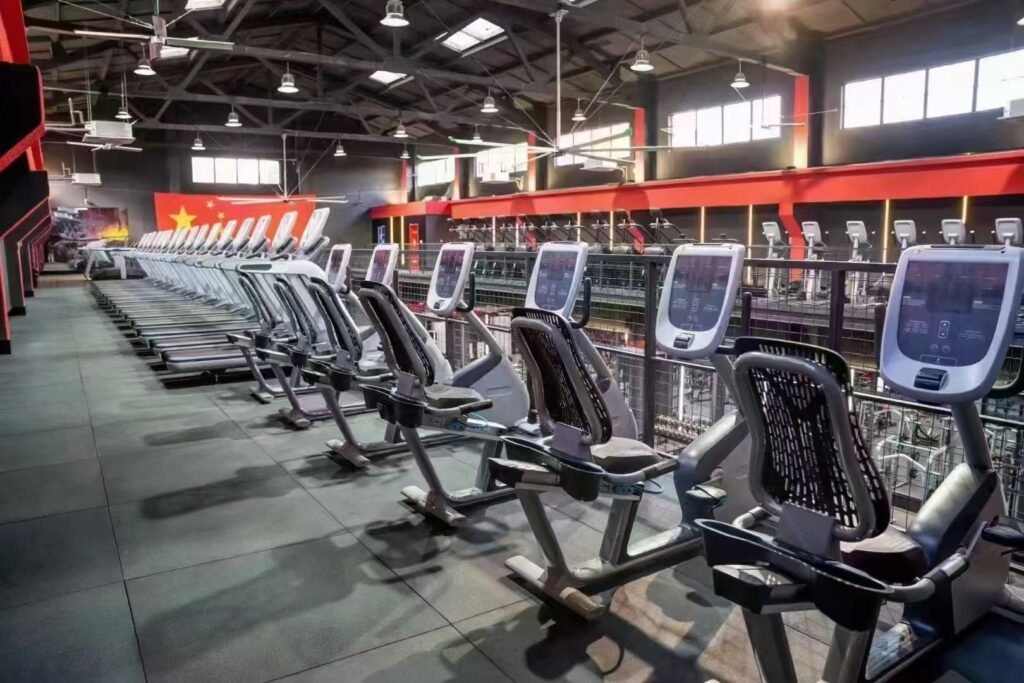
What Brand Do Most Gyms Use?
The commercial fitness equipment market is dominated by a handful of major brands that have earned the trust of gym operators worldwide. While the specific brand mix varies by facility type and market segment, certain names consistently appear in commercial gyms across the globe.
Life Fitness: Perhaps the most recognizable name in commercial fitness, Life Fitness is the brand of choice for many large gym chains, hotels, and corporate wellness centers. Their cardio equipment—particularly treadmills, ellipticals, and stationary bikes—is renowned for durability, user-friendly interfaces, and comprehensive service networks.
Technogym: An Italian manufacturer known for its sleek design and innovative technology integration, Technogym is prevalent in high-end fitness clubs, luxury hotel spas, and professional sports facilities. Their equipment often features advanced connectivity, allowing members to track their workouts and access personalized training programs.
Precor: A subsidiary of Peloton, Precor is another heavyweight in the commercial cardio market. Their equipment is noted for its smooth, natural motion and ergonomic design. Precor’s elliptical trainers are particularly well-regarded in the industry.
Hammer Strength (owned by Life Fitness): Hammer Strength is synonymous with commercial strength training. Their plate-loaded and selectorized machines are designed with biomechanics in mind, providing natural movement patterns that reduce injury risk while maximizing muscle engagement.
Nautilus: A pioneer in the fitness industry, Nautilus is known for its innovative strength equipment and commercial-grade cardio machines. Their Bowflex brand also has a presence in the commercial market.
Cybex (owned by Life Fitness): Cybex is a major player in both cardio and strength equipment, with a strong reputation among physical therapy clinics and medically oriented fitness facilities.
Matrix Fitness: A rapidly growing brand, Matrix offers a comprehensive lineup of cardio and strength equipment at competitive price points. Their products are increasingly common in mid-tier commercial gyms and studio environments.
Star Trac (owned by Core Health & Fitness): Star Trac cardio equipment features intuitive consoles and durable construction, making it a popular choice for commercial facilities.
What About Gettinglong Fitness Equipment?
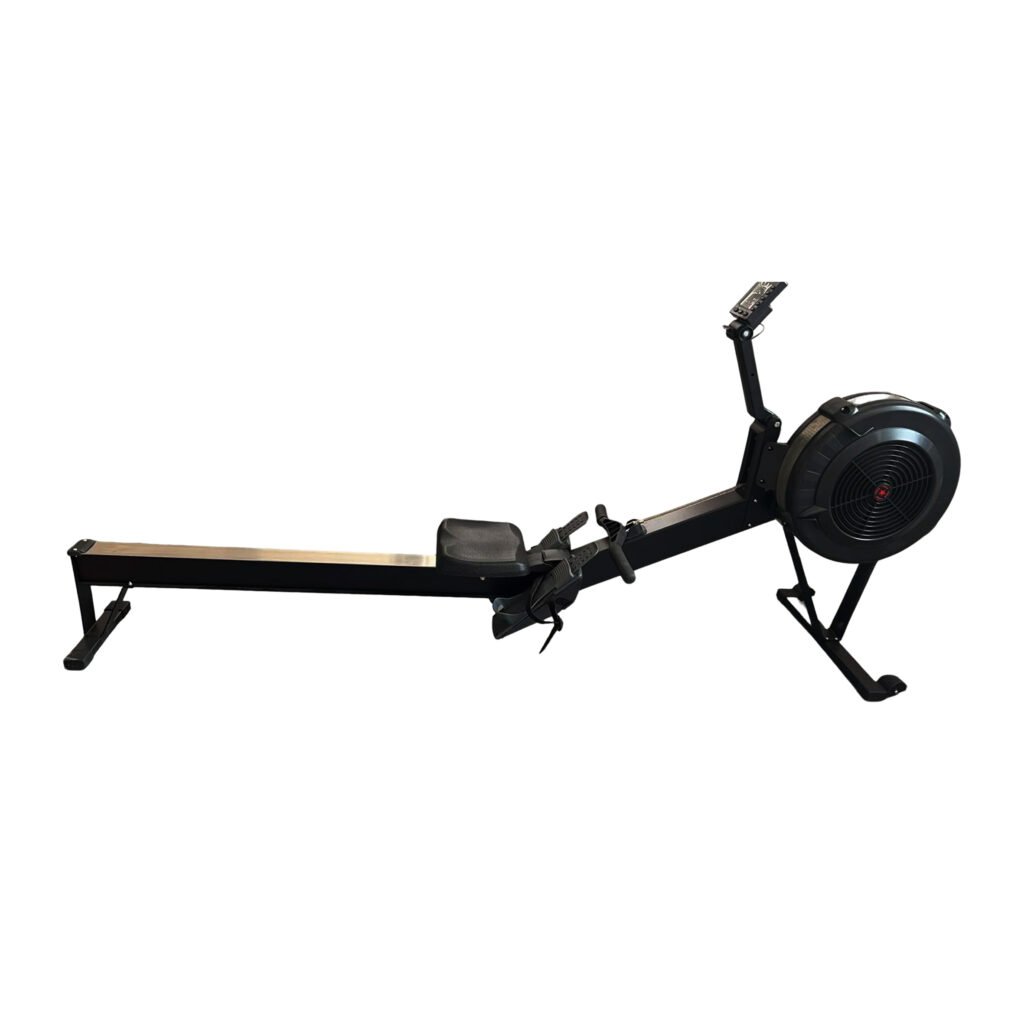
As a GYM Manufacturer, Gettinglong has established itself as a trusted partner for fitness facilities worldwide. Our comprehensive product line includes cardio machines, strength equipment, functional training rigs, and specialized studio solutions—all designed to meet the rigorous demands of commercial use.
Why Gettinglong for your fitness facility?
-
Commercial-grade durability: Every piece of equipment is engineered to withstand the high-volume use of busy fitness centers.
-
Competitive pricing: As a direct manufacturer, we offer premium quality at accessible price points.
-
Customization options: We can tailor equipment with your brand colors, logos, and specific configuration requirements.
-
Global service network: Our trained technicians provide installation, maintenance, and repair support worldwide.
Studio and Club-Specific Considerations
For Fitness Studios
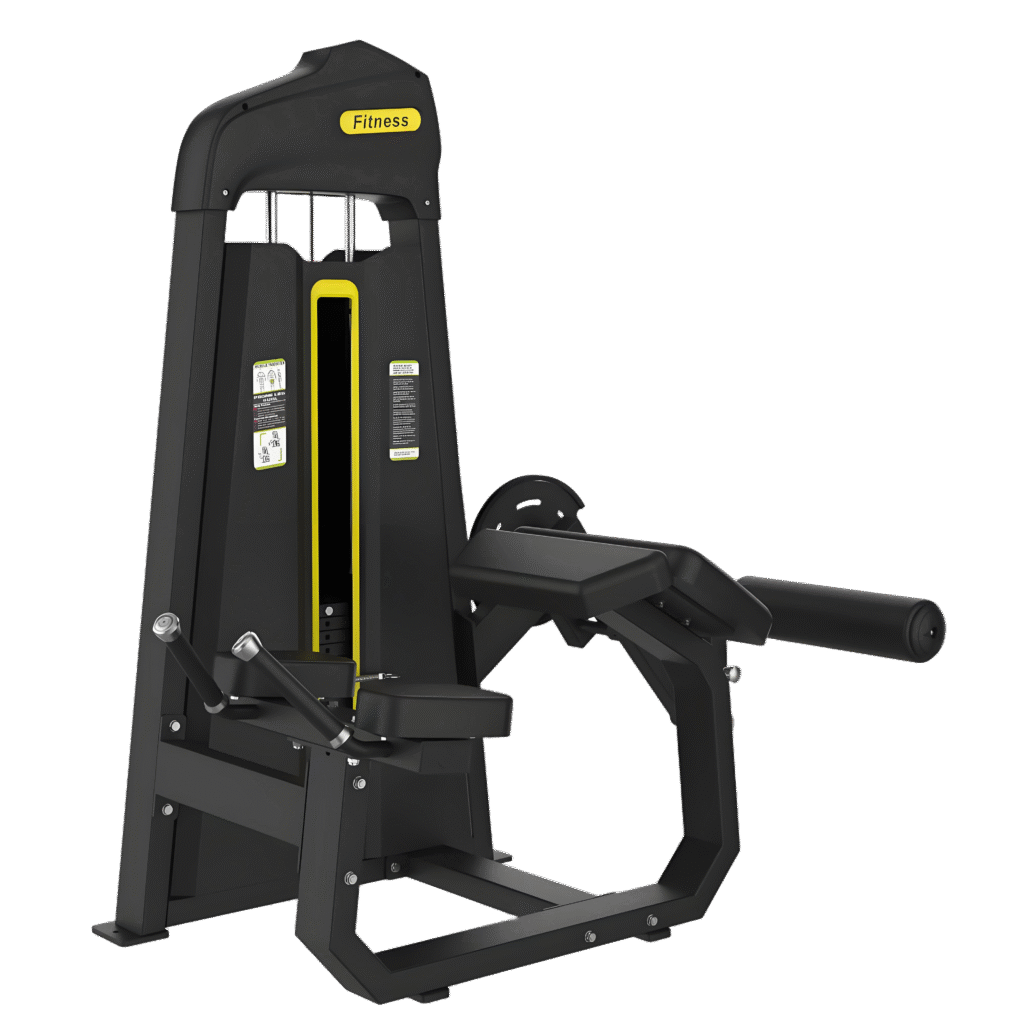
A Fitness Studio typically specializes in specific workout formats—such as yoga, Pilates, barre, cycling, or functional training. Equipment selection for studios is highly specialized:
-
Cycling studios require heavy-duty indoor cycles with adjustable resistance mechanisms, comfortable seating, and dual-sided pedals.
-
Functional training studios need versatile rigs, cable stations, kettlebell racks, turf areas, and modular equipment that supports multiple training modalities.
-
Yoga and Pilates studios require specialized mats, reformers, and supplementary equipment like blocks, straps, and stability balls.
The compact nature of most Fitness Studio spaces demands careful space planning to maximize capacity without compromising the member experience.
For Large Gyms and Clubs
A GYM CLUB typically offers a comprehensive range of equipment to serve diverse member needs—from novice exercisers to competitive athletes. This requires:
-
Cardio zones: Treadmills, ellipticals, stationary bikes, rowers, and stair climbers in sufficient quantity to accommodate peak-hour demand.
-
Strength zones: Both selectorized machines and free-weight areas with racks, benches, and dumbbells up to heavy poundages.
-
Functional training areas: Open turf spaces, cable crossover stations, and specialized equipment like landmine stations and battle ropes.
-
Group exercise rooms: Separate spaces for classes, equipped with sound systems, mirrors, and portable equipment.
Gettinglong Company Background
For many years, we have been at the forefront of the fitness equipment industry. Our state-of-the-art manufacturing facilities have always ensured production quality, while our experienced team provides unparalleled technical support. We have a proven track record of exporting products worldwide, with a strong presence in Asia, Europe and America.
Quality Control and Global Supply
Our stringent quality control process ensures that every batch of fitness equipment meets standards. We work closely with our customers to ensure timely delivery and stable pricing, positioning their needs above market trends. Our dedication to customer satisfaction is reflected in our long-term partnerships, such as our decade-long partnership with one of the largest companies in the world.
Conclusion
Selecting the right fitness equipment for your gym or studio is a complex decision that requires careful consideration of quality, space, brand reputation, and cost. While major brands like Life Fitness and Technogym dominate the commercial market, manufacturers like Gettinglong offer compelling alternatives with commercial-grade durability, customization options, and competitive pricing. By working with knowledgeable distributors, prioritizing equipment quality and space planning, and choosing the right partners, you can create a fitness facility that attracts and retains members for years to come. Whether you are opening a boutique Fitness Studio or a large-scale GYM CLUB, the choices you make today will shape your success for the future.


